


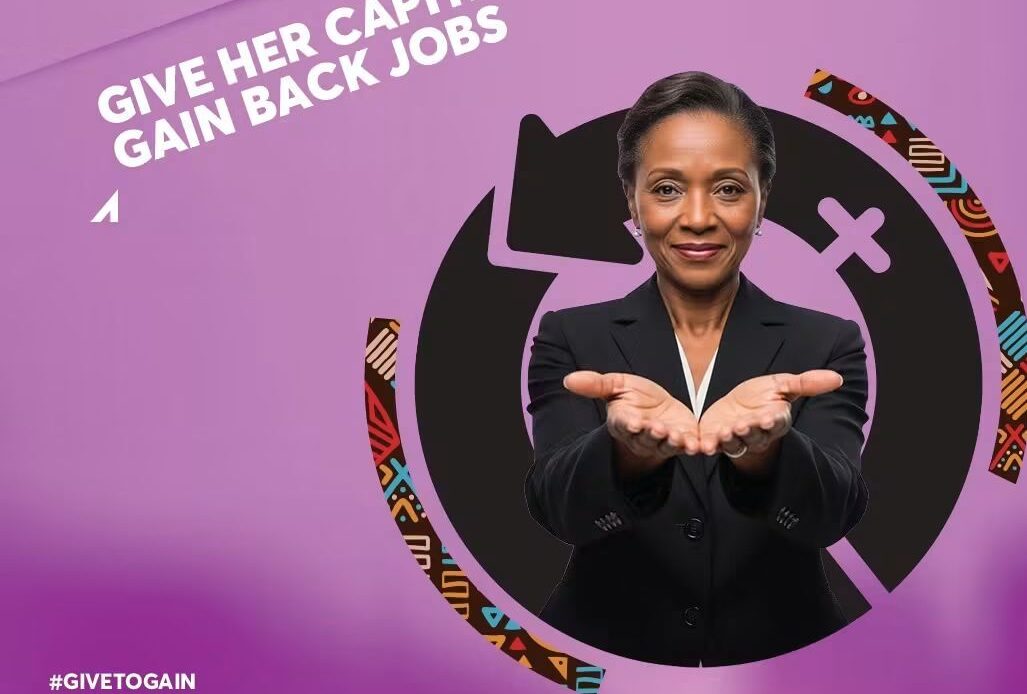
A business can start with one idea, a modest loan and a determined owner. But for women running enterprises in agriculture and other sectors, turning that idea into a growing company often depends on access to capital, skills, and the right connections.
NCBA Group is seeking to close some of those gaps through its Citizenship programme, placing women’s economic empowerment at the centre of its sustainability ambitions.
The initiative forms part of the bank’s broader “Change the Story” strategy, which brings together environmental, social and governance priorities under five strategic pillars and 15 commitments.
Turning Finance Into Opportunity
At the heart of the programme is the Affirmative Finance Action for Women in Africa (AFAWA) Acceleration Programme, implemented in partnership with the SME Support Centre, African Guarantee Fund and Unga Group Plc.
The programme targets women agri-preneurs operating across human food and animal feed value chains, providing more than financing alone.
The first cohort brought together 38 women who collectively received USD 1.5 million in funding and training. A second cohort of 42 women was launched in early 2026, with NCBA targeting up to USD 5 million in lending across the two groups by mid-2026.
The initiative is expected to support about 80 women-owned SMEs and contribute to the creation of approximately 300 jobs.
For entrepreneurs who may struggle to provide traditional collateral or qualify for larger loans, the model offers a different route to growth.
NCBA’s approach combines affordable financing with technical training, mentorship, on-site business support and market linkages.
That combination matters because access to money alone does not guarantee a small business will survive or scale.
The programme is designed to give women entrepreneurs the tools to strengthen their operations, improve resilience and pursue new markets.
The need is substantial. Women-owned businesses across Africa face an estimated USD 42 billion financing gap, with limited collateral and smaller loan sizes among the barriers restricting access to formal finance.
Through pitch events and business showcases, NCBA is also placing entrepreneurs at the centre of the story, giving participants opportunities to demonstrate how their enterprises are evolving.
Capital With a Wider Purpose
The bank’s women-focused interventions extend beyond AFAWA.
A USD 50 million facility with Proparco is supporting green and sustainable financing alongside women-owned enterprises and SMEs. NCBA has also committed to directing at least 30 per cent of its general services procurement spending to women and youth by 2030.
The commitments sit alongside a wider sustainability agenda that includes mobilising KES 30 billion in green and sustainable finance.
At community level, the bank has also linked women’s economic participation to climate action. A tree-growing pilot with Boreka Group in Kitui County brought hundreds of farmers into the programme, 82 per cent of whom were women, while providing training on climate resilience and opportunities for green jobs.
Changing the Story Beyond Business
The Citizenship programme also reaches into areas such as sports, skills development and inclusion. NCBA has supported women’s participation in sports, including ladies’ hockey, while internal initiatives promote diversity, equity and inclusion across its operations.
Also Read: The bank invests about KES 100 million annually in community engagements and works with more than 50 organisations on more than 100 programmes each year.
NCBA employees, known as Go-Getters, are also trained through the “I Change the Story” initiative, embedding sustainability into everyday work.
For NCBA Bank, the bigger ambition is to make access to capital, knowledge and opportunity part of a broader pathway for women to build stronger enterprises, employ more people and contribute to a more inclusive economy.
In that story, financing is not simply a transaction. It is the beginning of what a business and the woman behind it can become.