


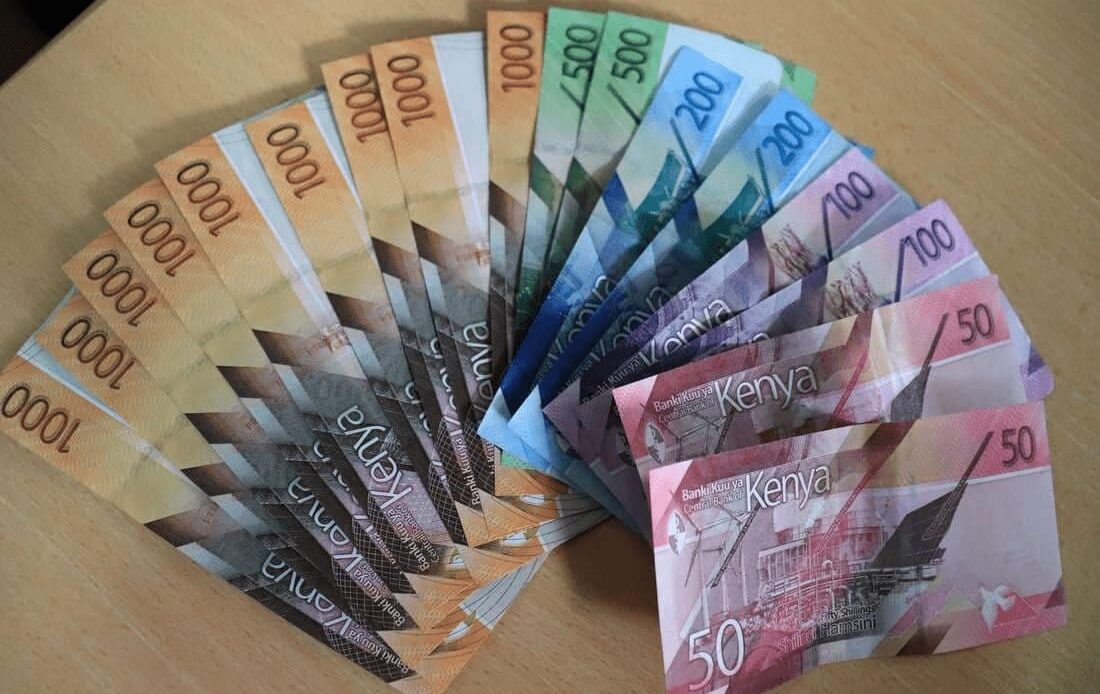
Kenya’s foreign exchange market remained stable during the week ending August 27, 2026, with the Kenya Shilling maintaining its position against major international and regional currencies as foreign exchange reserves continued to provide a strong buffer for the economy.
The Shilling traded at KSh129.47 against the US dollar on August 27, compared with KSh129.49 recorded on August 20, reflecting minimal movement during the week.
Foreign Exchange Reserves Remain Above Statutory Threshold
Kenya’s foreign exchange reserves stood at USD14.934 billion as of August 27, equivalent to 6.2 months of import cover.
The reserves remain comfortably above the Central Bank of Kenya’s statutory requirement to endeavour to maintain at least four months of import cover.
The strong reserve position provides a buffer against external shocks and supports the country’s ability to meet international payment obligations while helping maintain stability in the foreign exchange market.
Money Market Remains Liquid
The domestic money market remained liquid during the week, with open market operations continuing to support liquidity conditions.
Commercial banks’ excess reserves averaged KSh25.5 billion above the 3.25 percent Cash Reserve Ratio requirement.
Meanwhile, the Kenya Shilling Overnight Interbank Average (KESONIA) remained stable at 8.75 percent.
Activity in the interbank market increased during the week. The average number of interbank transactions rose to 26 from 23 in the previous week, while the average value traded increased to KSh19.1 billion from KSh17.6 billion.
Strong Demand for Treasury Bills
The government securities market recorded strong investor demand during the week.
At the Treasury bill auction held on August 27, bids amounted to KSh56.7 billion against an advertised amount of KSh28 billion. This represented an overall performance rate of 202.6 percent.
Interest rates on the 91-day, 182-day and 364-day Treasury bills declined during the period, pointing to easing yields across the short-term government securities market.
Meanwhile, the 10-year Treasury switch bond auction held on August 24 attracted bids worth KSh22.6 billion against an advertised amount of KSh15 billion, representing a performance rate of 150.6 percent.
NSE Indices Gain Despite Lower Trading Activity
The Nairobi Securities Exchange recorded gains across its key share price indices during the week.
The NSE All Share Index (NASI) increased by 0.78 percent, while the NSE 25 and NSE 20 indices gained 0.89 percent and 1.65 percent, respectively.
Market capitalisation also increased by 0.78 percent.
However, trading activity weakened significantly, with total shares traded declining by 50.53 percent and equity turnover falling by 50.17 percent during the week.
Bond turnover in the domestic secondary market also declined by 5.37 percent.
In international markets, yields on Kenya’s Eurobonds fell by an average of 12.24 basis points, while yields for Côte d’Ivoire and Angola increased.
Global Inflation Concerns Persist
Global economic developments continued to influence financial markets, with inflation concerns remaining elevated in the United States.
US headline Personal Consumption Expenditures inflation stood at 3.7 percent in July, unchanged from June, while core PCE inflation remained at 3.3 percent.
US real GDP growth moderated to 1.5 percent in the second quarter of 2026 from 2.1 percent in the first quarter, amid weaker government spending, slower investment and exports, and a sharp rise in imports.
Labour market conditions remained resilient, however, with initial jobless claims falling by 4,000 to 203,000 in the week ending August 22.
Commodity markets were mixed. Murban crude oil prices fell to USD 81.78 per barrel from USD 84.76, while gold prices rose to USD 4,601 per ounce from USD 4,517.87, supported by safe-haven demand and expectations of lower interest rates.