


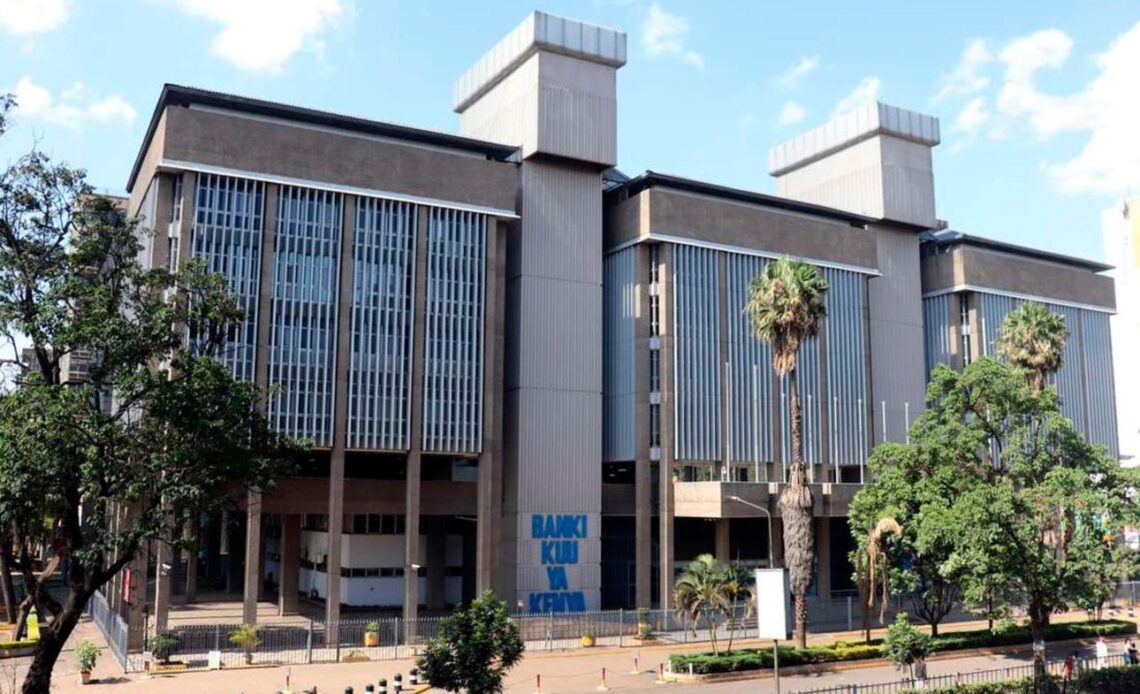
The Central Bank of Kenya (CBK) has fined 33 commercial banks for failing to reduce their loan rates in line with cuts in the benchmark interest rate, leaving many borrowers without the full benefit of cheaper credit.
The penalties followed inspections carried out by the regulator on all 38 commercial banks in the country. The checks focused on whether lenders were following the risk-based credit pricing model and passing on lower funding costs to customers. The 33 banks affected represent 86.8 per cent of the banking industry.
CBK did not reveal the names of the banks that were penalised or the exact amount each lender was fined. Two other banks faced administrative action, while only three banks were found to be fully compliant with the required credit-pricing model.
The regulator had cut the Central Bank Rate (CBR) seven times between August 2024 and August 2025, reducing it by 3.5 percentage points from 13 per cent to 9.5 per cent. The 13 per cent rate had been the highest in 22 years and remained in place for about seven months.
However, only six banks reduced their overall lending rates enough to match or beat the benchmark. They were Citibank N.A Kenya, Absa Bank Kenya, Credit Bank, Standard Chartered Bank Kenya, Stanbic Bank Kenya and Victoria Commercial Bank.
The CBK had repeatedly urged banks to lower borrowing costs as its benchmark rate fell. The regulator also warned lenders that they could face daily penalties if they failed to pass on the benefits of cheaper funds to borrowers.
Banks found in breach faced fines of up to Sh20 million or three times the financial gain made from overcharging customers. They could also face additional daily penalties of up to Sh100,000 for each affected loan account, while responsible executives could face fines of up to Sh1 million.
The latest penalties increased the number of banks found to have breached the Banking Act and CBK Prudential Guidelines to 35 in the year ended December 2025, compared with 11 the previous year.
CBK Governor Kamau Thugge said the regulator had become concerned because lending rates were falling much more slowly than the benchmark rate. The CBK therefore carried out inspections through June 2025 to examine how banks were adjusting their lending rates.
Some banks argued that they had borrowed or attracted deposits at higher interest rates and could not immediately reduce loan rates without affecting their costs. The industry also challenged the earlier risk- based pricing model, saying it lacked a common benchmark for pricing loans.
The framework was later changed to introduce a single industry benchmark based on either the CBR or the overnight interbank rate, now known as the Kenya Shilling Overnight Interbank Average (Kesonia).
Banks began using the revised model for new loans in December 2025, while existing loans were fully moved to the new system by the end of February 2026.
The changes have since helped bring the average commercial bank lending rate down to 14.3 per cent in July 2026 from 17.2 per cent in November 2025. Private-sector credit growth also returned to double digits in June and July, according to CBK data.