


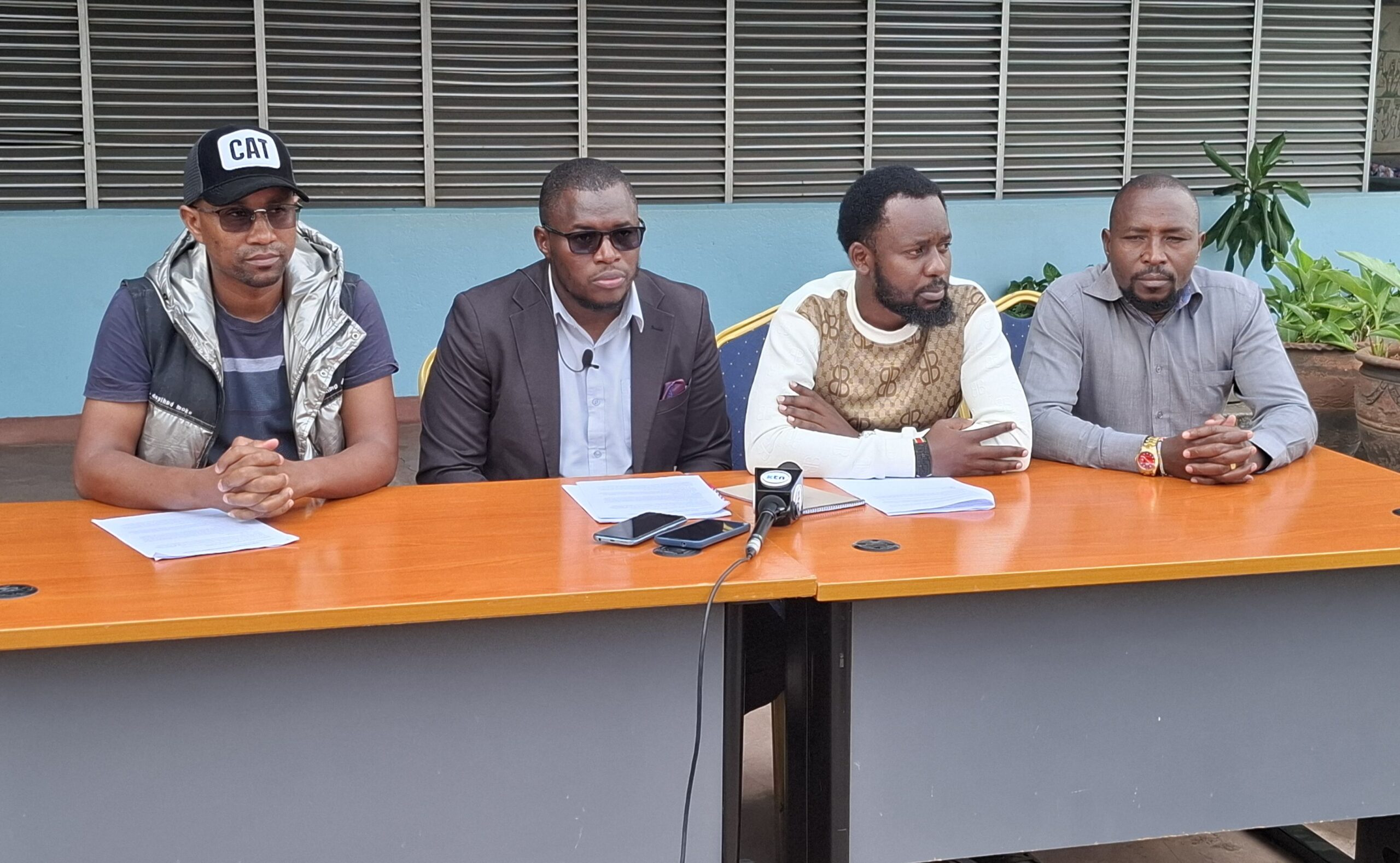
Leaders from the Kuria community have issued a strong and unified response to remarks made by Emurr Dikirr MP Johana Ngeno, which they described as offensive, reckless, and historically inaccurate.
Speaking during a press conference held in Nairobi on Friday morning, the leaders condemned Ngeno’s assertion that members of the Kuria community are Tanzanian and accused them of illegal firearm possession.
Led by community representative Kibiriti Paul Makore, the leaders categorically rejected the MP’s claims, terming them “an affront to the dignity and citizenship” of the Kuria people. Makore emphasized that the Kuria are recognized Kenyan citizens with deep historical roots and contributions to national development.
“The Kuria people are an integral part of Kenya. Any claim suggesting otherwise is not only misleading but dangerous. We demand a public apology from Hon. Johana Ngeno,” Makore stated.
Questioning of ethnic origins
In a sharp rebuttal to Ngeno’s comments, the Kuria leaders reminded the public that all Kenyan communities have migratory histories. They argued that the Kalenjin community, to which the MP belongs, migrated from Sudan, making any ethnic labeling hypocritical.
“If the government cannot protect Kuria lives and land, then we are prepared to push for our ancestral lands in the Rift Valley to be integrated into Tanzania,” Makore added, highlighting the community’s growing frustration with state inaction.
Land dispute and historical injustice
The community leaders addressed the contentious Angata Baragoi land saga, asserting that land spanning from Gutura to the River Migori has historically belonged to the Kuria. They cited colonial-era boundary agreements and the Truth, Justice and Reconciliation Commission (TJRC) and National Land Commission (NLC) reports, which document the Kuria’s ownership and recommend restitution.
They called for the immediate release and implementation of the TJRC report and also demanded the declassification of findings into the murder of Father John Anthony Kaiser, linking his work to unresolved land injustices in the Rift Valley.
Legal action and judicial integrity
The Kuria community rejected a recent High Court ruling in Narok that nullified the NLC’s recommendations on the disputed land. They raised concerns about judicial bias, particularly after JSC member Hon. Isaac Ruto was seen supporting Ngeno’s position.
“We question the integrity of the judiciary when key members appear to support such false narratives. We demand Hon. Ruto’s resignation from the Judicial Service Commission,” said Makore.
Marginalization and Inclusion
Kuria leaders decried systemic marginalization, noting that no member of their community currently holds a CEO position in any state corporation. They challenged President William Ruto, who is expected to visit the region over the weekend, to commit to greater inclusion of Kuria people in national leadership and public appointments.
Resettlement or Compensation
The leaders further demanded the resettlement of Kuria people back to their ancestral land in the Rift Valley. In the event that resettlement is not possible, they called for fair compensation to facilitate relocation to alternative areas.
Call for Unity and Justice
The statement concluded with a call for national solidarity against ethnic discrimination and misinformation.
“We respect the rule of law, but we will not tolerate any attempt to erase the identity and dignity of the Kuria community,” the leaders declared. “We demand equal respect and recognition, just like every other Kenyan community.”
The Kuria community’s response signals growing tension over ethnic identity and historical land injustices, with the leaders now demanding government accountability, legal redress, and a national conversation on inclusion and equity.