


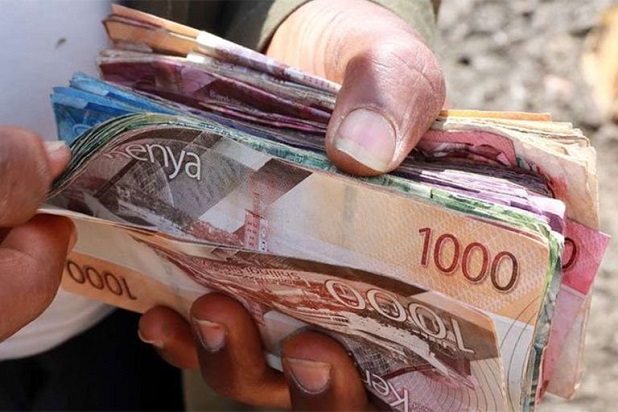
Kenya’s inflation outlook is facing renewed pressure from rising global commodity prices, even as the shilling remains broadly stable and the country maintains adequate foreign exchange reserves.
The Kenya Shilling traded at KSh129.49 against the US dollar on August 20, 2026, compared with KSh129.40 on August 13, indicating relative stability during the week. However, higher international oil and gold prices could create fresh inflationary pressures through increased import costs.
Oil Prices Raise Inflation Concerns
Murban crude oil prices increased sharply during the week, rising to USD 84.76 per barrel on August 20 from USD 79.29 a week earlier.
The increase was attributed to heightened tensions between the United States and Iran and concerns over possible disruptions to global oil supplies.
For Kenya, sustained increases in international oil prices could raise the cost of fuel, transport and electricity, with the potential to feed into prices of goods and services across the economy.
Higher transport and energy costs can also increase operating expenses for businesses, potentially resulting in higher consumer prices if companies pass the additional costs to customers.
Global Inflation Pressures Persist
Inflation concerns also remained prominent in major global economies during the week.
In the United Kingdom, headline inflation increased to 2.9 per cent in July from 2.6 per cent in June, marking the first rise since March.
Meanwhile, China’s economic activity moderated in July. Industrial output growth slowed to 4.5 per cent from 5.3 per cent in June, while retail sales growth eased to 0.6 per cent from 1.0 per cent, pointing to weaker domestic demand.
The developments highlight the continued uncertainty surrounding global price pressures and economic growth.
Kenya Maintains Adequate Reserves
Despite the external risks, Kenya’s foreign exchange position remained strong.
Foreign exchange reserves stood at USD15.155 billion, equivalent to 6.3 months of import cover as of August 20. The level remains comfortably above the Central Bank of Kenya’s statutory requirement to endeavour to maintain at least four months of import cover.
The adequate reserves provide a buffer against external shocks and support the country’s ability to meet international payment obligations.
Money and Securities Markets Remain Stable
The domestic money market remained liquid during the week, with commercial banks holding average excess reserves of KSh45.9 billion above the 3.25 per cent Cash Reserve Ratio requirement.
The Kenya Shilling Overnight Interbank Average Rate remained unchanged at 8.75 per cent.
At the government securities market, Treasury bills attracted KSh71.7 billion in bids against an advertised KSh28 billion, representing a 255.9 per cent performance. Interest rates on the 91-day, 182-day and 364-day Treasury bills declined.
Meanwhile, activity at the Nairobi Securities Exchange strengthened, with the NASI, NSE 25 and NSE 20 indices rising by 2.72 per cent, 2.90 per cent and 2.24 per cent, respectively.
With global oil prices rising, inflation remains a key risk to Kenya’s economic outlook despite the shilling’s stability and strong foreign exchange reserves.