


Dubai Boosts African Tourism with Adventure, Dining, Hospitality Growth
Dubai is increasingly positioning itself as a top destination for African tourism, offering a blend of adventure, luxury hospitality, fine dining and large-scale infrastructure expansion to sustain its tourism growth.
From outdoor escapades to rooftop dining experiences, the city continues to diversify its tourism offering while reinforcing its status as a global hospitality and culinary powerhouse.
Adventure and Lifestyle Experiences Drive Appeal
For thrill-seekers, Hatta Wadi Hub remains a standout attraction, offering activities such as mountain biking, hiking and zip-lining against the dramatic Hajar Mountains backdrop.
Beyond adventure tourism, Dubai’s lifestyle scene continues to captivate visitors with world-class dining and nightlife experiences hosted high above the city on the 44th floors of iconic skyscrapers overlooking the skyline.
The emirate’s unique blend of modern architecture, desert landscapes and waterfront living provides African tourists with diverse options ranging from family holidays to luxury getaways.
Global Recognition for Dubai’s Culinary Scene
Dubai’s gastronomy sector, shaped by nearly 200 nationalities, continues to gain international acclaim.
In 2025, Trèsind Studio and Orfali Bros secured spots on the prestigious World’s 50 Best Restaurants list, cementing the city’s reputation as a global culinary capital.
Industry analysts note that this recognition not only boosts Dubai’s tourism credentials but also strengthens its appeal to high-spending international visitors seeking unique dining experiences.
Hotel Sector Expands as Occupancy Rates Rise
Dubai’s hotel and accommodation sector has played a central role in sustaining tourism growth.
By the end of 2025, the city’s hotel inventory had reached 154,264 rooms across 827 establishments. The average occupancy rate rose to 80.7 percent, up from 78.2 percent recorded in 2024 — a clear indicator of sustained demand.
New landmark openings have further strengthened the emirate’s hospitality portfolio.
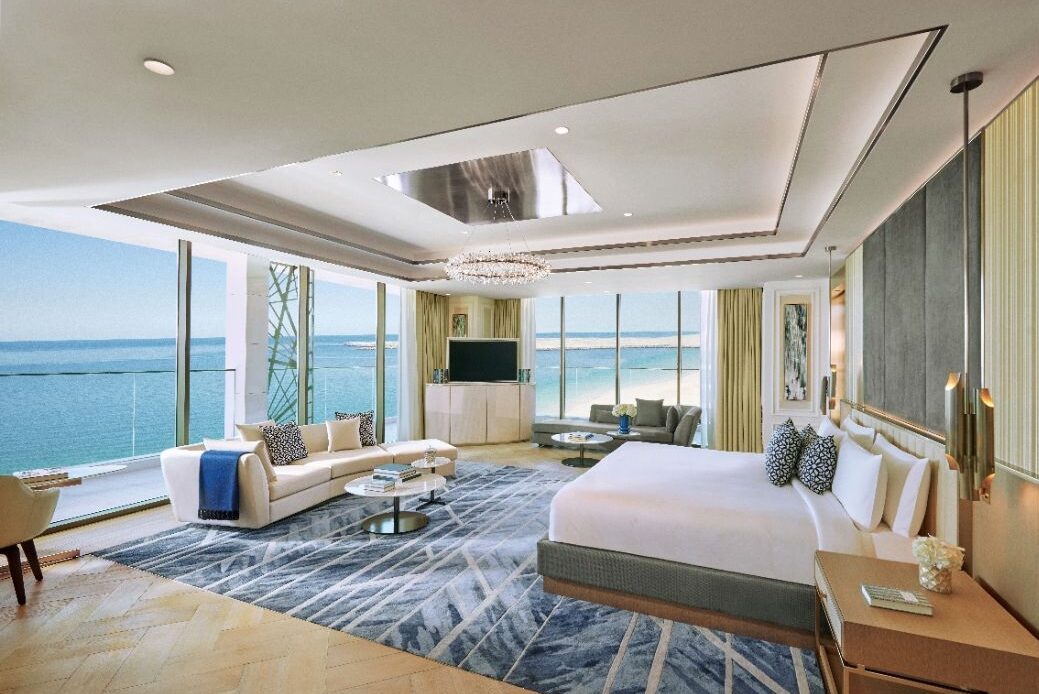
These include Ciel Dubai Marina, billed as the world’s tallest hotel, and Jumeirah Marsa Al Arab, which adds to the city’s luxury coastal offerings.
Infrastructure Expansion to Boost Accessibility
Dubai’s long-term tourism strategy is underpinned by significant infrastructure development aimed at improving accessibility and visitor experience.
Major projects include the expansion of Al Maktoum International Airport, which is expected to significantly increase passenger handling capacity, and the construction of the Dubai Metro Blue Line, designed to enhance connectivity across key districts.
These developments are expected to ease travel logistics for international visitors, including the growing African market.
African Tourists to Play Growing Role in 2026
As Dubai enhances its global competitiveness, African travellers are projected to play an increasingly important role in the city’s tourism performance.
The UAE’s Year of the Family in 2026 is expected to reinforce themes of inclusivity, shared heritage and authentic cultural experiences through community-driven events and family-focused activities.
Tourism stakeholders say this positioning aligns well with the preferences of many African travellers, who often prioritise family-oriented travel experiences and cultural engagement.
With strong infrastructure, global culinary recognition and rising hotel capacity, Dubai continues to strengthen its appeal as a leading destination for the African market.