


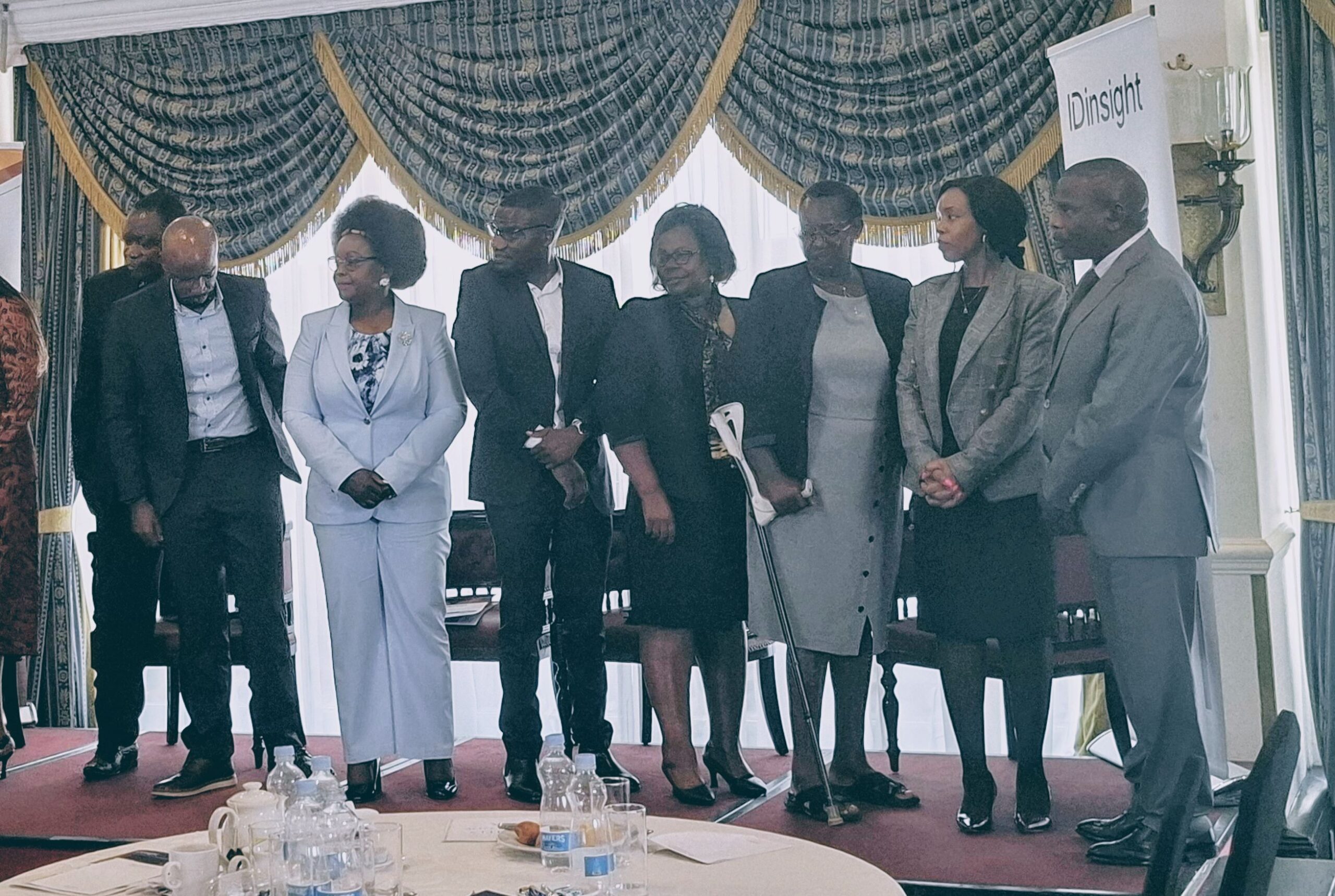
The Kenya Women Parliamentary Association (KEWOPA) on Thursday convened a high-level Parliamentary Panel Discussion on Evidence-Informed Policymaking, emphasizing the urgent need to integrate data and research in legislative and policy decisions to drive inclusive development in health, technology, and economic sectors.
The session brought together lawmakers, policy experts, and civil society actors to reflect on how evidence-based decision-making can uphold the constitutional principles enshrined in Chapter Two and Article Ten of Kenya’s Constitution — including equity, equality, democracy, public participation, and social justice.
Speaking at the event, Mbita Member of Parliament Millie Odhiambo passionately advocated for the use of data to shape government priorities, pointing out how data can depoliticize development. “You don’t ask why a region is prioritized when there’s data to support it,” she said, referencing the case of Homa Bay County — historically marginalized like Northern Kenya — which is now receiving increased attention. “Development should follow the Constitution and be informed by data, not political alignment.”
The law maker criticized successive governments for failing to plan adequately for Kenya’s youthful population, pointing to long-standing issues like unemployment. “Gen Z didn’t emerge yesterday. They’ve been here, and we’ve been watching. The question is, where was the plan for them?” she posed, highlighting the need for forward-thinking leadership grounded in evidence.
The panel also explored the disconnect between legislators and the executive in development planning. The MP dismissed suggestions of a rift, instead framing the problem as one of inequity rather than coordination. “If you have data, it removes the notion that some areas are favored politically. It gives an objective basis for investment,” she said.
On the availability and access to data for policymakers, Odhiambo called for stronger linkages between Parliament and specialized research institutions. “Parliamentarians need quick, accurate, and digestible data. We can’t be expected to read entire journals during debate,” she said, also urging for the use of AI and technology in parliamentary research platforms while cautioning against unreliable sources.
The discussion also touched on the ongoing debate around the National Government Constituencies Development Fund (NGCDF). Responding to concerns about its constitutionality and potential scrapping, Odhiambo defended the fund, citing its widespread public support and impact, especially in rural constituencies.
“NGCDF is extremely popular. Most rural classrooms and bursaries come from that fund,” she noted, calling for a national dialogue with party leaders and even proposing a referendum to let Kenyans decide the fund’s fate. “Kenyans in towns may not see it, but in the villages, people know what NGCDF has done for them.”
Despite the apparent absence of her party leader from the discussion, Odhiambo maintained hope for engagement. “Parliamentarians have requested dialogue, and I believe it’s essential. The fund represents decentralized development — something we should preserve, not discard.”
The KEWOPA event marked a significant step in advocating for a paradigm shift in policymaking, from politically driven to data-informed governance — one that champions inclusion, evidence, and long-term national planning.