


The Supreme Council of Kenya Muslims (SUPKEM) and the Kenya High Commission have lauded the historic success of the 2025 Hajj pilgrimage, which saw a record 4,500 Kenyan pilgrims travel to the Kingdom of Saudi Arabia, the highest number in the country’s history.
Despite the milestone, the coordination of the pilgrimage faced several logistical challenges. These included difficulties with foreign currency transfers, limited space allocation in key pilgrimage sites such as Mina and Arafat, and poor sanitation facilities.
To address these, the Kenya High Commission has recommended the use of the Masar Wallet for secure transactions and called for improvements in transportation and hygiene infrastructure for future Hajj seasons.
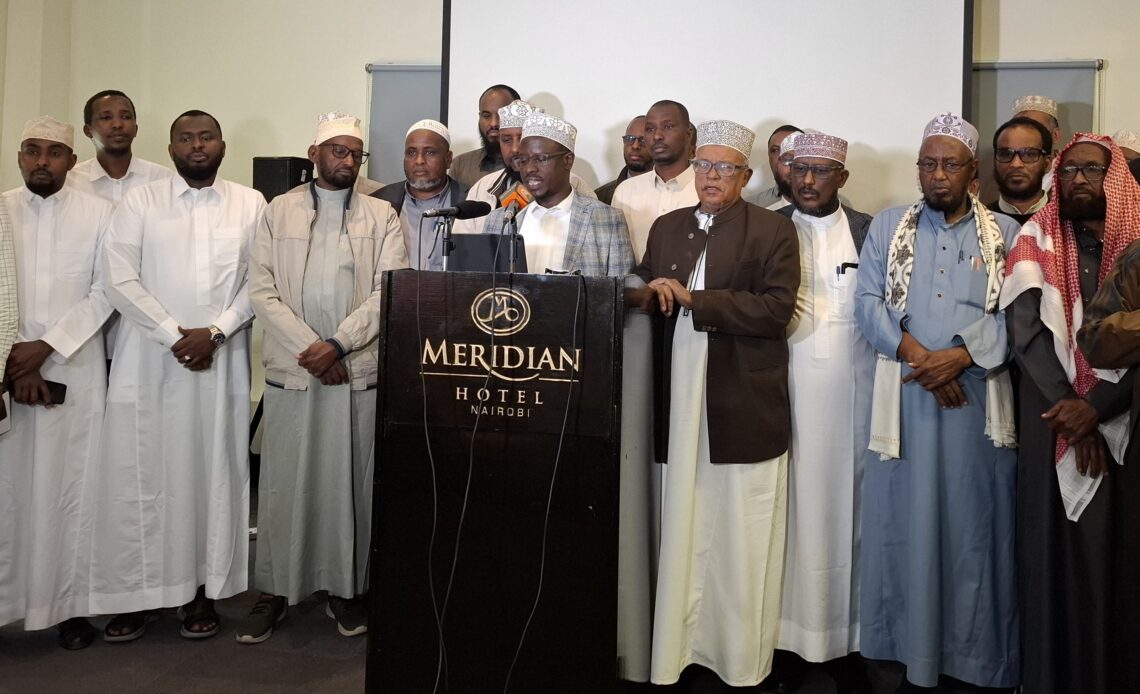
In light of the upcoming 2026 Hajj, SUPKEM and Hajj officials have announced that intending pilgrims must make a commitment payment of USD 1,300 by August 22, 2025. The announcement was made following a consultative meeting between SUPKEM, the Kenya Hajj Mission, and registered Hajj agents.
SUPKEM Chairperson Hassan Ole Naado emphasized that the Kingdom of Saudi Arabia operates on a first come, first serve basis, making early payment critical.
“Failure to make the commitment payment will bring about the same logistical and accommodation problems we have experienced in the past,” said Ole Naado. “Meeting the deadline is essential to ensuring Kenyan pilgrims get proper services and spaces.”
The acting Chairperson of the Hajj Agents, Abdulrahman, echoed these sentiments, warning that late payments could lead to Kenyan pilgrims being denied access to essential accommodation sites.
“Without early payment, it becomes very difficult to find space in Mina or Arafat, let alone in decent accommodation,” he noted.
Hajj Committee Chairperson Sharif Khitamy called for unity and timely coordination among stakeholders. He urged agents to ensure all payments are submitted before the deadline.
Kenya is expected to send thousands of pilgrims for the 2026 Hajj, and stakeholders are determined to build on this year’s success by improving planning and service delivery through early commitment and enhanced collaboration.