


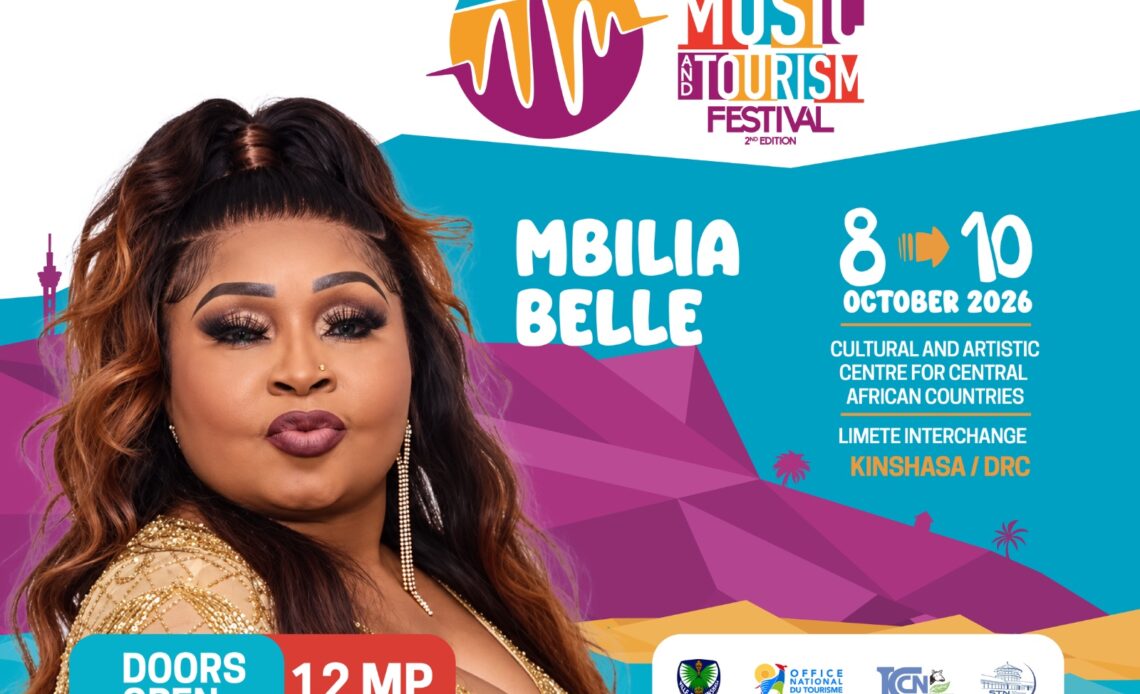
The Democratic Republic of the Congo (DRC) is set to showcase its rich musical heritage and tourism attractions at the second World Music and Tourism Festival (FMMT), scheduled to take place in Kinshasa from October 8 to 10, 2026.
The festival, organised in collaboration with UN Tourism, with StoryArc Africa supporting its delivery, seeks to attract international visitors while promoting investment through music, culture and tourism.
Following the inaugural edition, which featured Congolese star Fally Ipupa and Kenya’s Savara Mudigi, this year’s festival will bring together some of Africa’s leading musicians.
The announced lineup includes Mbilia Bel, Ferré Gola, Werrason, Sam Mangwana, Zaiko Langa Langa, Héritier Wata, Roga Roga and Meiway.
For Rumba enthusiasts across East Africa and other parts of the world, the festival provides an opportunity to experience the genre in its cultural home.
Beyond live performances, visitors will have an opportunity to explore Kinshasa’s food, art and cultural experiences while connecting with local communities.
“Rumba is one of Congo’s greatest cultural treasures. Through this festival, we invite East Africa and the world to experience our music, discover our tourism destinations and connect with our people,” said Didier Mazenga Mukanzu, Minister of Tourism of the Democratic Republic of the Congo.
Congolese Rumba has deep cultural links connecting Kinshasa, Congo-Brazzaville, Angola and the Caribbean, particularly Cuba. The genre continues to bring generations and communities together while preserving cultural identity and inspiring contemporary musical expression.
Its inclusion on UNESCO’s Representative List of the Intangible Cultural Heritage of Humanity in December 2021 further highlights the importance of preserving the living tradition.
The FMMT will also feature traditional, urban and folk music, alongside discussions on copyright, digital innovation and youth participation in the creative economy.
Through the combination of music, cultural experiences and tourism, organisers hope the festival will position Kinshasa as a destination for travellers seeking authentic African culture while creating opportunities for artists, communities and businesses.