


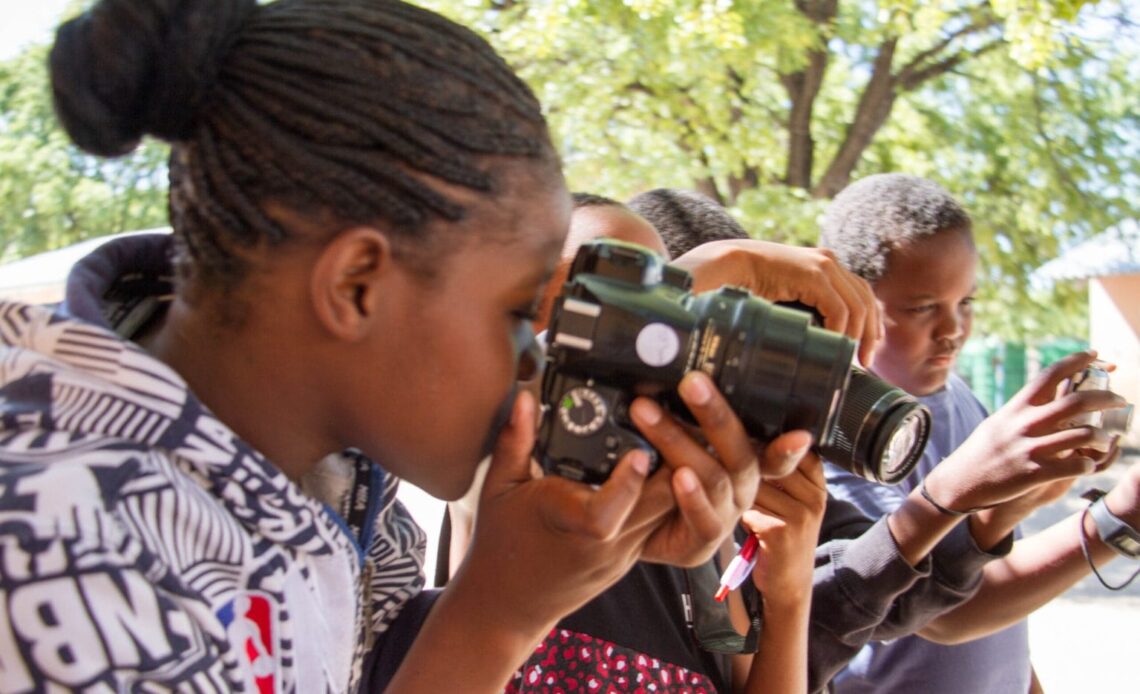
A camera can freeze a moment, tell a powerful story, and change how an audience sees the world. Yet when I look at Kenya’s creative landscape today, one question keeps returning to me: where are more of our women behind the lens?
The Safaricom Capture the Good Challenge has offered a vibrant platform for creatives across the country to showcase their talent through photography and visual storytelling. The strong participation has been encouraging, but the gender representation among the 18 national finalists has also raised an important conversation, with only one woman making it to the national final stage.
I don’t see this as a reason to question the competition or the creatives who made the shortlist. Rather, I see it as an opportunity to examine something much bigger: the position of women in Kenya’s visual storytelling industry.
In my experience working in media, I have encountered many talented women contributing to the creative ecosystem. Women are making their mark as journalists, writers, producers, communicators, project managers, editors, and creative strategists. Yet the number of women visibly occupying technical roles such as photography, videography, and cinematography appears considerably smaller.
That gap deserves curiosity, not assumptions.
The reasons may include access to equipment, opportunities to learn technical skills, professional networks, mentorship, workplace culture, safety concerns, income expectations, and the visibility of role models.
These are not necessarily barriers unique to women, but they can shape who gets an opportunity to enter, remain, and grow within technical creative fields.
What I find particularly interesting is that visual storytelling itself is changing. Smartphones, affordable cameras, and digital platforms have lowered some traditional barriers to entry. Challenges such as Capture the Good are also creating spaces where emerging creatives can have their work seen beyond their immediate circles.
The next step is ensuring that more women feel equally able to occupy those spaces, not as beneficiaries of special treatment, but as creatives whose talent, technical ability, and stories deserve room to compete.
I believe Kenya has no shortage of women capable of creating exceptional visual work. What we need is greater visibility, stronger mentorship, accessible training, and more deliberate conversations about pathways into technical creative careers.
Safaricom Capture the Good has captured something valuable beyond the photographs themselves: an opportunity for us to look at who gets to hold the camera.