


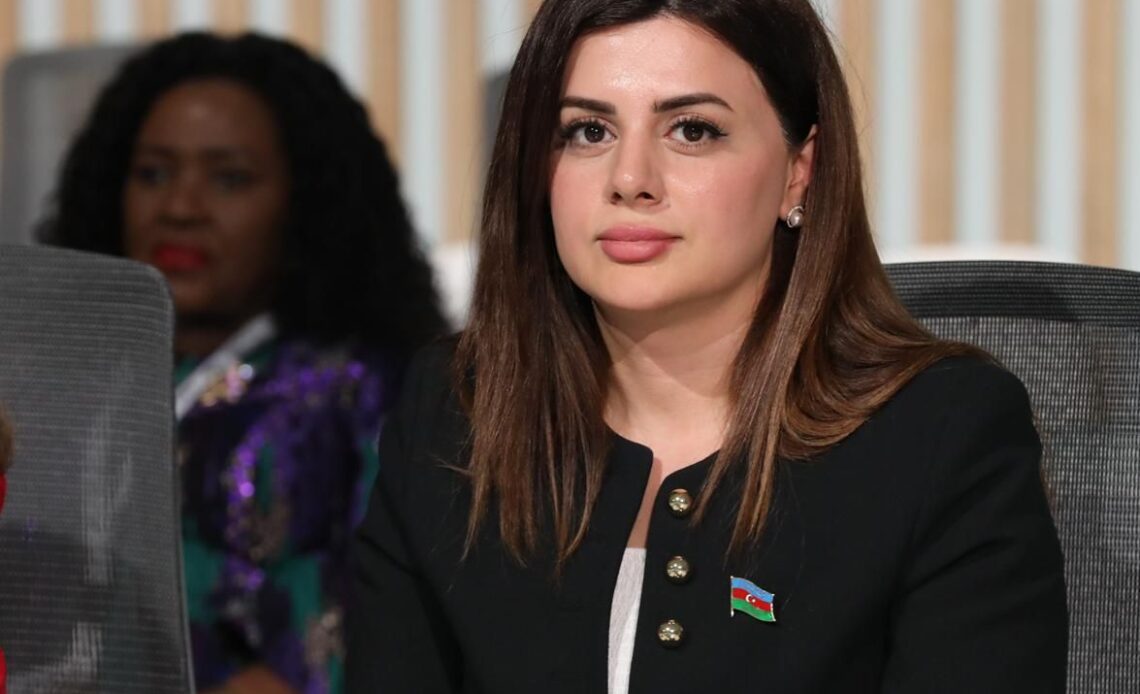
The 13th session of the World Urban Forum (WUF13), hosted in Baku, Azerbaijan, marked a historic milestone in the evolution of the global urban agenda. Bringing together nearly 60,000 participants from 176 countries — including 27 heads of state and government, ministers, parliamentarians, mayors, urban planners, civil society leaders, academics, and youth representatives — WUF13 became the largest with more than 400 speakers’ representing 125 countries and one of the most action-oriented forums in the history of the World Urban Forum process.
Held under the theme “Housing the World: Safe and Resilient Cities and Communities,” the forum placed housing at the center of global discussions on sustainability, climate action, social justice, and human dignity. Throughout the sessions, one message resonated clearly: housing is not merely a commercial commodity — it is a fundamental human right and the foundation of inclusive, resilient, and sustainable societies.
One of the defining conclusions of WUF13 was the urgent need to rethink how cities are designed and governed discussed during the parliamentary roundtable on May 20. Discussions repeatedly emphasized that the true measure of a successful city is not its height, wealth, or technological sophistication, but its humanity. Community engagement, participatory budgeting, local councils, and bottom-up planning mechanisms were recognized as essential tools for building cities that reflect the needs and aspirations of their residents.
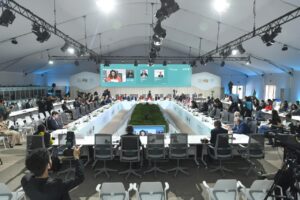
WUF13 in Baku: A Turning Point for the Global Urban Agenda
Participants stressed during the sessions with persons with disabilities on May 19, that future cities must be designed around people rather than infrastructure alone. Inclusive urban development requires ensuring that every individual — regardless of age, gender, disability, social background, or economic status — can participate fully in urban life with dignity, safety, and independence.
At the same time, WUF13 underscored the importance of preserving cultural identity within urban transformation. Cities are not simply collections of buildings; they are spaces shaped by memory, heritage, and human values. Sustainable urbanization therefore must protect architectural heritage and strengthen the cultural fabric that gives cities their identity.
Another major focus of WUF13 was the growing connection between housing and climate change. Floods, heatwaves, environmental degradation, displacement, and energy insecurity are already reshaping urban life across the world, particularly affecting vulnerable populations and informal settlements. The forum strongly emphasized the climate crisis and reminded once again UNFCCC COP29 that successfully hosted by Baku in 2024.
At the same time, participants acknowledged that achieving climate-resilient urban development requires innovative financial solutions. Cities must move beyond declarations and create practical investment pipelines capable of financing affordable low-carbon housing at scale. Discussions focused on blended finance, climate investment, and public-private partnerships as critical tools to prevent long-term “carbon lock-in” in urban systems.
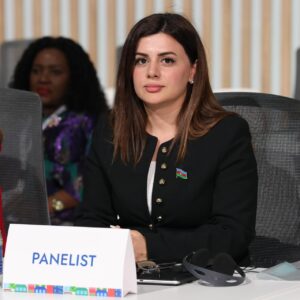
Parvana Valiyeva
Member of the Foreign and Interparliamentary Relations Committee
Milli Majlis of the Republic of Azerbaijan
Azerbaijan’s own urban transformation and post-conflict reconstruction efforts received significant international attention throughout the forum and emphasized in the main outcome document – “Baku Call to Action”.
The large-scale rebuilding efforts in Karabakh and East Zangezur — regions heavily damaged during decades of occupation, urbicide, culturicide and ecocide — were presented as an emerging international model for post-conflict recovery and sustainable reconstruction. The scale of reconstruction is unprecedented: the country is constructing 12 cities and more than 300 villages, 9 cities out of 12 are built from the ground up.
Sustainability remains central to these efforts. Azerbaijan has committed to achieving net-zero carbon emissions by 2030 in the liberated territories. Renewable energy integration, green infrastructure, energy-efficient buildings, and sustainable mobility systems are being incorporated into reconstruction projects from the earliest planning stages.
The transformation of Baku’s “White City” from a heavily polluted industrial zone into a modern, walkable, and environmentally sustainable urban district was also highlighted as one of the world’s notable urban regeneration examples.
WUF13 concluded with two major outcome documents: the Chair’s Summary and the Baku Call to Action.
The “Baku Call to Action” emerged as a collective global mandate to address the worsening housing crisis affecting approximately 3.4 billion people worldwide. The document emphasized that the crisis is not accidental, but rather the result of systemic governance failures, inequality, weak urban planning, and insufficient investment in affordable housing.
The Call to Action outlined three key pillars for the next decade:
- Strengthening human rights-based approaches to urban development;
- Promoting inclusive housing policies and ending forced evictions;
- Transforming housing systems to become equitable, climate-resilient, and sustainable.
The document also stressed the importance of measurable accountability, stronger local governance, reliable urban data systems, and inclusive decision-making processes involving youth, women, civil society, parliamentarians, and local communities.
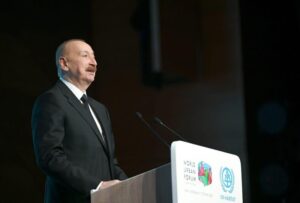
Ilham Aliyev, President of the Republic of Azerbaijan
A particularly powerful message from the forum was that the next decade cannot resemble the last one. Participants repeatedly emphasized that the era of symbolic declarations must give way to implementation, enforcement, and measurable impact.
Baku WUF stands as a global catalyst for reimagining cities — where innovation, sustainability, and human-centered urban development converge to shape the future of our world.
As part of this legacy, at the initiative of Azerbaijan, jointly with UN-Habitat launched the “Baku Urban Award” to promote innovation and recognize global best practices in sustainable urbanization and housing policy.
More importantly, WUF13 succeeded in reframing the global urban conversation around a fundamental principle: cities must serve people first.
The final message from Baku was clear: the world must move from ambition to delivery. This message from Baku now moves forward — to national parliaments, local governments, international institutions, and communities worldwide — carrying a shared responsibility to ensure that cities become more inclusive, resilient, sustainable, and humane for generations to come.