


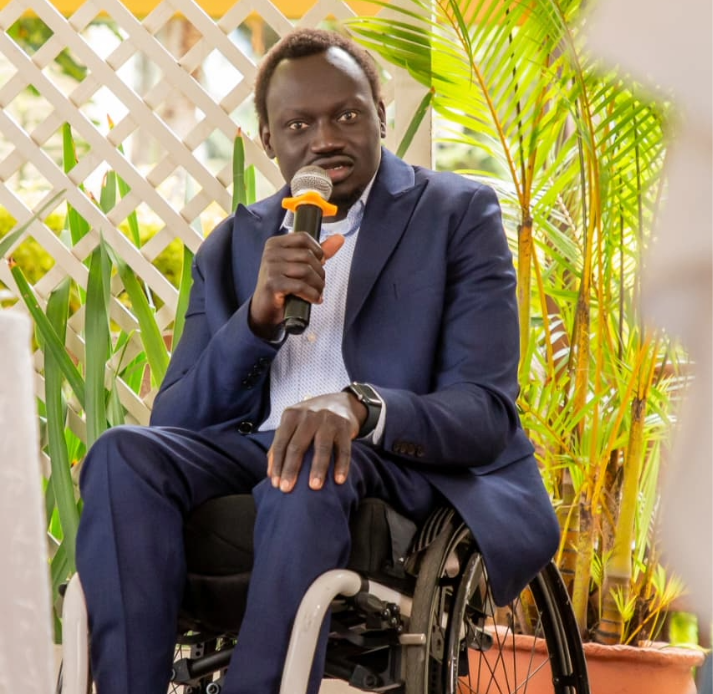
Kenya to Host First Diversity and Inclusion Conference in May
In May, Kenya will see its debut Diversity and Inclusion Conference, an effort sparked by ongoing struggles to support people with disabilities.
Though attention has grown, real change still lags. The event aims to close that gap, focusing on what’s missing in both knowledge and practice. With visibility often outpacing action. This gathering puts emphasis on actual steps forward.
Behind the scenes, advocates have pushed for years to turn promises into presence. Now, space opens for voices long shaped by exclusion. Not every solution is new, yet intent feels different this time around.
A gathering set for May 21st through the 22nd unfolds at CITAM Valley Road. Leading it is Hope Mobility Kenya, this group builds and delivers tailored wheelchairs throughout Kenya and nearby areas. Their work runs on purpose, not profit.
A Push for Practical Inclusion
Folks running things mention this gathering pulls in decision makers, religious figures, along with players from government and business circles, aiming to shape real plans that open doors across social and economic lines. What unfolds here leans on teamwork rooted in everyday realities.
Still, even with gains in Kenya around standing up for people with disabilities, real change lags behind promises. Awareness stays low because old beliefs stick hard in schools and towns. Getting places and services often feels like a wall blocking access. These barriers keep pushing disabled individuals away from taking charge or joining regular community efforts.
From Compliance To Inclusion
While addressing the press in a hotel in Nairobi, Michael Panther, founder of Hope Mobility, shared his thoughts. “To move beyond checking boxes on policies. Instead, attention turns toward real participation. Meaningful involvement takes centre stage now. Not rules followed, but lives impacted, becomes the focus. From form-filling to actual belonging, that is the intended journey,” he said
Focusing on stricter rules came first. Ways of organising must change, too. Better setups help lower risks over time
Mindset Change Past Laws
According to Mercy Wanjau, change in how people think matters more than rules on paper. Laws by themselves won’t bring everyone fully into society. A shift in habits and beliefs is needed alongside them.
“Now that the Persons with Disabilities Act has passed, Kenya could step forward, shaping how inclusion works in government and jobs. What happens next might depend on choices made today. Not laws alone will bring true belonging,” she said.
Though rules might open doors physically, it takes changed thinking to honour people with disabilities. Respect does not follow from paperwork. Attitudes shape how we treat one another. Without inner change, access means little. What matters is seeing each person fully. Policies set floors, not culture. Real welcome lives in daily choices.
The Size Of The Problem
Kenya counts about 918, 000 individuals with recorded disabilities, yet those involved suspect the real figure climbs much further.
One point three billion individuals around the world live with major impairments, according to the World Health Organisation. This scale makes it clear that accessibility can’t wait.
Everyone must step up when it comes to inclusion, Wanjau said. Institutions cannot wait while communities hesitate or governments delay. Leadership roles need people with disabilities to be visible, present, and part of the plan. Progress means making space now, not later. Shared duty shapes real change; this was his clear message.
A Call to Action
With goals set on real outcomes, event planners expect discussions to shift from talk into steps that matter. Instead of just sharing views, participants will work across fields where ideas meet practice. Thoughtful exchange becomes the base when different groups join forces around clear results.