

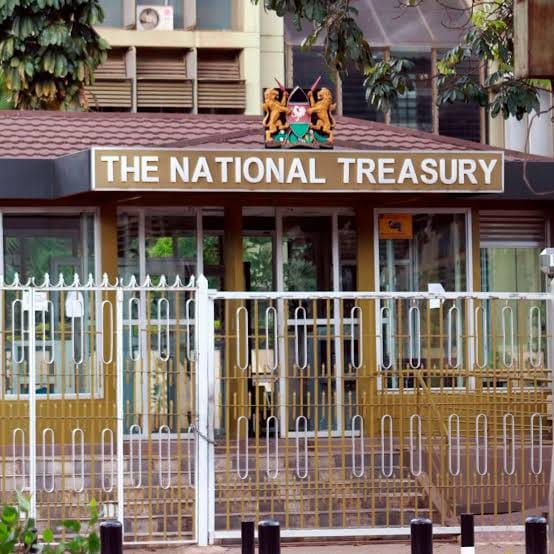
The National Treasury plans to bring public schools onto the government’s electronic procurement platform in a move aimed at reducing corruption, improving transparency and exposing companies benefiting from billions of shillings in public contracts.
The planned rollout will move school tendering processes from manual paperwork to a centralised online system, allowing authorities to monitor how institutions select suppliers and spend public funds. The electronic government procurement (e-GP) platform, introduced in July 2025, is already connected to key government systems, including the Integrated Financial Management Information System (IFMIS), Business Registration Services, e-Citizen and the Kenya Revenue Authority’s iTax platform.
Next steps will include full rollout to schools and other procuring entities yet to onboard to the e-GP system. The changes come as the government allocates KSh92.3 billion to basic education capitation in the 2026/27 financial year. The funding includes KSh54.6 billion for free day secondary education, KSh30.7 billion for junior secondary schools and KSh7 billion for free primary education.
The Ministry of Education distributes the money according to enrolment figures captured in the National Education Management Information System (NEMIS). Schools use the funds to purchase textbooks, laboratory equipment, improve classrooms, provide sanitation facilities and meet other operational expenses.
Moving procurement online is expected to make it easier to identify suppliers, compare prices and examine how contracts are awarded. The reform also follows concerns over school procurement practices, including allegations of predetermined tender awards and limited disclosure of companies supplying goods and services.
The Public Procurement Regulatory Authority (PPRA) has previously blamed some schools’ failure to publish tender information on a shortage of qualified procurement officers. It has advised institutions without specialists to outsource procurement services to meet legal requirements.
The authority has also raised concerns over school uniform purchases, following complaints that some secondary schools force parents to buy uniforms from selected suppliers at inflated prices. In a February 5, 2026, letter, PPRA Director-General Patrick Wanjuki directed national and extra-county schools to disclose their uniform suppliers, prices, quantities purchased and tendering procedures.
To facilitate the audit, you are required to provide the list of all suppliers that supplied school uniforms in the financial year 2025/2026. Schools were instructed to submit contracts and supporting documents through the Public Procurement Information Portal (PPIP), with non-compliant institutions facing possible referral to investigative agencies, including the Directorate of Criminal Investigations and the Ethics and Anti-Corruption Commission.
Meanwhile, Treasury figures show that 1,543 procuring entities and more than 40,000 suppliers had registered on e-GP by August 2026. The platform had closed 7,355 tenders and published 1,497 contracts. The government says further reforms will depend partly on changes to procurement legislation to strengthen accountability and enforcement.