


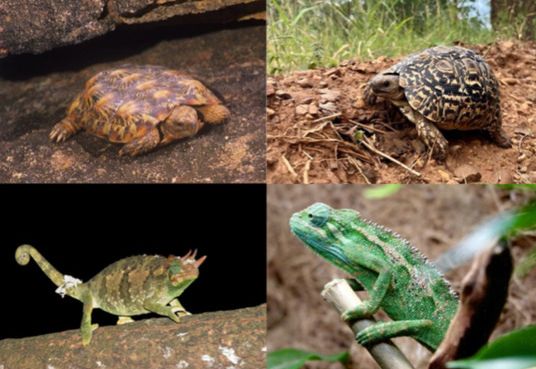
Kenya’s trade in captive-bred wildlife has expanded rapidly over the last decade, with live reptile exports increasing more than tenfold between 2013 and 2023, according to a new peer-reviewed scientific study.
The report, released by World Animal Protection, found that more than 870,000 live CITES-listed animals reported as captive-bred or ranched were exported from Kenya over the past decade.
Reptiles accounted for the largest share of the trade, making up 81 per cent of export records and nearly half of all live animals traded internationally. Annual live reptile exports rose sharply from 8,551 individuals in 2013 to 86,330 in 2023.
Researchers documented 886 CITES export records involving 28 wildlife species, with 93 per cent of exports destined for commercial markets in North America, Europe and Asia.
Concerns Over Conservation and Public Health
The study warns that Kenya is becoming a major supplier to the global pet and luxury wildlife markets, raising concerns over sustainability, animal welfare and public health risks.
According to the findings, more than 77 per cent of traded species have declining or unknown wild population trends, despite many animals being classified as captive-bred or ranched.
The report also highlighted continued illegal trade in the endangered Pancake tortoise, despite ongoing conservation efforts.
Researchers further identified major discrepancies between exporter- and importer-reported CITES data, pointing to weaknesses in monitoring and reporting systems.
Calls for Stronger Wildlife Protection
Patrick Muinde, Research Manager at World Animal Protection, who co-authored the study, said the growing trade reflects a system that treats wild animals as commodities rather than living beings.
“Kenya is witnessing a rapid rise in wildlife exports, particularly reptiles, and the ten-year trend is deeply concerning,” said Muinde. “The trade in live wild animals also carries clear risks to public health and wellbeing.”
He urged Kenya to provide leadership in ensuring wildlife remains in its natural habitat and is protected from exploitation.
Tennyson Williams, Director at World Animal Protection Africa, condemned the extraction of wildlife from natural ecosystems, warning that continued exploitation could accelerate species extinction and destabilise ecosystems.
“As an organisation, we don’t have a selfish agenda. We are genuinely saying animals deserve the rights. And you can see from our vision, a world where animals live free from suffering,” said Williams
Recommendations for Reform
The organisation called for stronger regulation and traceability of captive breeding and ranching operations, routine welfare audits and improved biosecurity measures across wildlife trade supply chains.
It also recommended targeted demand-reduction campaigns in importing countries to reduce demand for wild animals in pet and luxury markets, as Kenya reviews the proposed Wildlife Conservation and Management Bill 2025.