

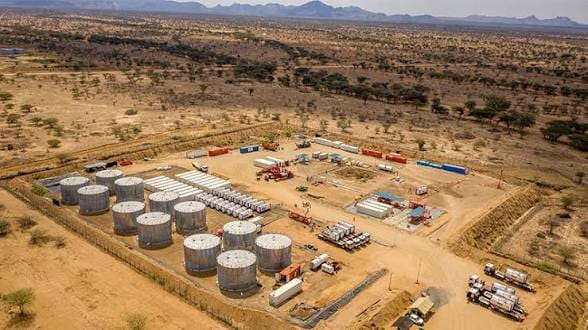
Kenya has invited the public to suggest a commercial name for its Turkana crude oil as the country prepares to begin commercial production on December 1, 2026, and enter the international oil market.
The Ministry of Energy and Petroleum has set October 29, 2026, at 5pm as the deadline for submitting proposals. The selected name will help identify Kenyan crude in international trading, where oil grades use distinct names to establish their identity among buyers, refiners and traders.
The ministry says the name should represent Kenya, be easy to pronounce and remember, and meet trademark registration requirements both locally and internationally. The exercise also gives Kenyans an opportunity to participate in deciding how the country’s oil will be presented to global markets.
Oil-producing countries already use established names for their crude. The United Arab Emirates sells Murban, Nigeria uses Bonny Light, while the United Kingdom’s North Sea production includes Brent crude. Uganda has also named its oil Pearl Sweet.
Kenya’s crude comes from the South Lokichar Basin in Turkana County, where commercially viable deposits were discovered in 2012. Despite the discovery more than 14 years ago, technical difficulties, transport costs and infrastructure challenges have delayed full commercial production.
Gulf Energy, which holds the licence to develop oil in blocks T6 and T7 in South Lokichar, plans to begin drilling on November 1, ahead of the December production target. The company intends to transport the initial output by road to Mombasa for export rather than wait for a dedicated pipeline.
The project targets an initial production rate of 20,000 barrels per day during its first phase, running from 2026 to 2032. The company plans to increase output to 50,000 barrels per day from 2033.
However, Kenya’s crude presents handling challenges because of its high wax content. The oil requires heating during transportation to prevent it from becoming too thick, a requirement that could increase operating and delivery costs.
Kenya previously shipped small quantities of Turkana crude for international market testing between 2019 and 2020. Those early shipments received discounts against Brent crude, highlighting the challenge of securing competitive prices.
The government hopes a recognised trading name will help establish Kenya’s identity among international buyers as commercial production begins. However, the country’s success will also depend on production costs, transport arrangements, oil quality and demand from refiners.
Kenyans must submit their proposed names before the October 29 deadline for consideration by the ministry.