

Kenya Leads the Globe in Charge for Sustainable AI at UNEA-7
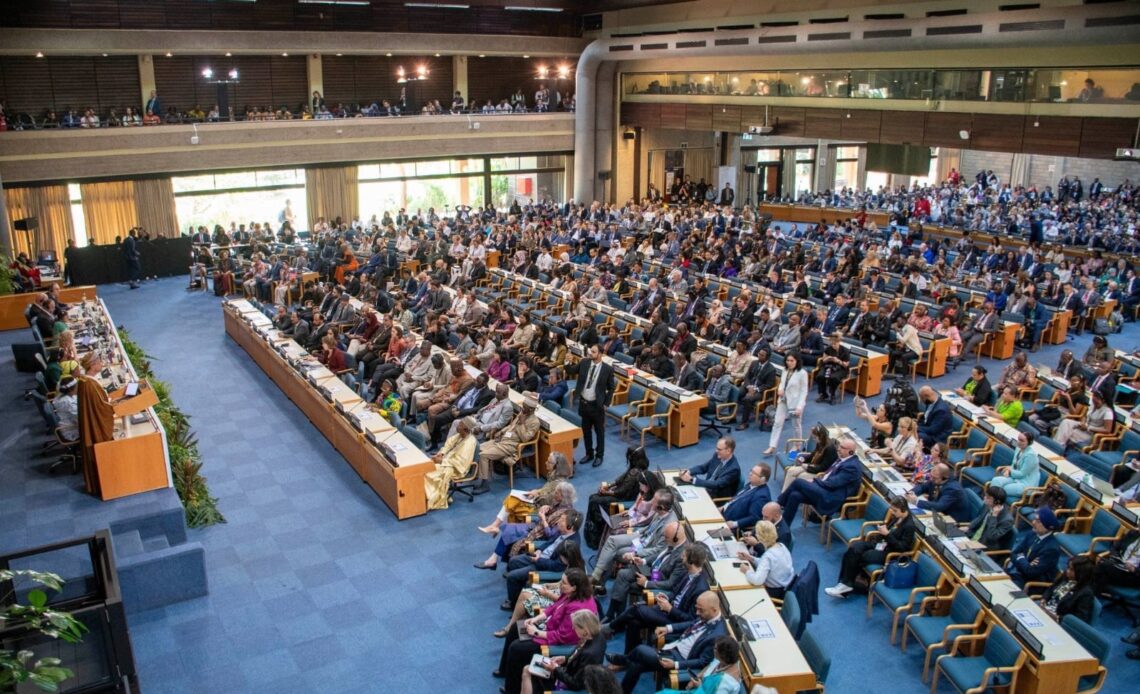
The United Nations Environment Assembly (UNEA-7) has approved a significant resolution regarding the environmental sustainability of artificial intelligence (AI), with Kenya taking a prominent leadership position in what is recognized as a landmark global accomplishment.
This resolution, which is unprecedented within the UN framework, prioritizes the environmental effects and potential benefits of AI in the context of international environmental governance.
Spearheaded by Ambassador Philip Thigo, Kenya’s Special Envoy on Technology, the milestone underscores the country’s growing influence in shaping global AI governance and sustainable development agendas.
Ambassador Thigo played a crucial role in navigating the complex negotiations, ensuring the resolution found a balance for the diverse global interests, and coupled with the dual nature of AI: a potential environmental risk and a tool for climate action transformation.
The diplomatic efforts by Kenya created strategic partnerships with the European Union, African Group, and other key UN Member States in an effort to raise the voices of developing nations, which have been historically marginalized in AI policy discussions.
The resolution champions fair access to technology, data sovereignty, and capacity-building that safeguards Africa’s ability to influence its AI future.
Its leadership in artificial intelligence is anchored on a broad-based innovation base. As a regional technology hub, the country has developed solutions that tackle local problems, from precision agriculture that will help shore up food security to artificial intelligence-powered systems set to raise the quality of healthcare delivery and wildlife conservation. Investments in Nairobi’s “Silicon Savannah” and national efforts at digital literacy have grown a generation of skilled technologists who have positioned Kenya in competition on the global stage for artificial intelligence.
UNEA7 goes beyond the mere recognition of AI’s environmental impacts: accessible high-quality environmental data, scientific research enhanced through UNEP, and environmentally sustainable AI systems development.
From an African perspective, the resolution is strategic in ensuring that AI development will support climate resilience, biodiversity conservation, and sustainable development without exacerbating inequalities and environmental pressures.
Its leadership at UNEA-7 reflects Kenya’s wider vision of a technology-enabled, low-carbon economy. The country keeps championing regional cooperation while building sovereign AI capabilities and embedding the principles of sustainability into national and global technology policy.
This historic achievement showcases the power of visionary leadership and inclusive innovation. Under Ambassador Thigo’s guidance, Kenya is setting a global precedent in shaping an AI future that is sustainable, equitable, and responsive to the needs of this planet.
With AI increasingly reshaping societies worldwide, Kenya’s proactive stance shows that African nations are indispensable contributors to the global dialogue on technology and its sustainability.