


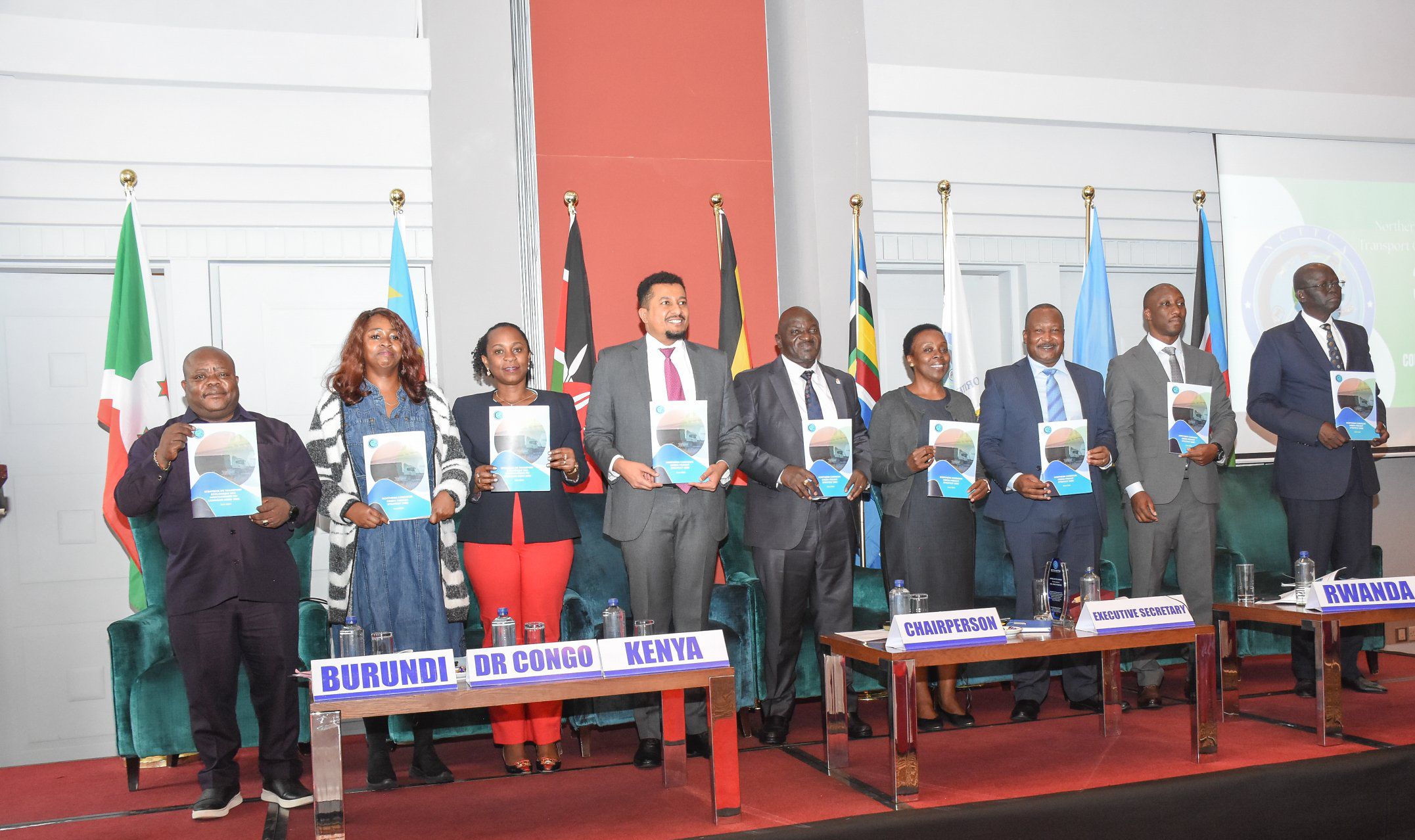
Ministry of Roads and Transport hosted the Northern Corridor Transit and Transport Coordination Authority (NCTTCA) Policy Organs meetings in Nairobi. These meetings, crucial for regional trade and transport coordination, brought together key stakeholders from member states of the Northern Corridor, including Burundi, the Democratic Republic of Congo, Kenya, Rwanda, South Sudan, and Uganda.
The series of meetings included the 57th Meeting of the Executive Committee, which ran from June 24 to June 27, and the 36th Council of Ministers, held on June 28.
Delegates engaged in comprehensive discussions covering the performance and initiatives of the Northern Corridor. The primary focus areas included customs and trade facilitation, transport policy and planning, infrastructure development and management, and the promotion of private sector investment.
The NCTTCA is an international organization with a robust legal framework and a complex organizational structure. Its hierarchy includes the Council of Ministers, Executive Committee, Specialized Technical Committees, Public-Private Partnership Committee, and a Permanent Secretariat. These meetings aimed to further the objectives of the Northern Corridor Transit and Transport Agreement, a critical pact that governs the operations and development of the Northern Corridor.
During the five-day event, the Policy Organs assessed progress reports on various technical programs and evaluated the achievements following the implementation of directives and recommendations from the past year.
A key part of the agenda was the review and approval of work plans and budgets for the 2024/2025 period. Additionally, delegates discussed administrative and financial matters pertinent to the NCTTCA Secretariat.
One of the significant highlights of the meetings was the recruitment process for a new Executive Secretary, as the tenure of the current Executive Secretary is set to expire in August 2024. This recruitment is seen as critical for maintaining the strategic direction and continuity of the Authority’s operations.
The new Executive Secretary will play a pivotal role in steering the NCTTCA towards achieving its goals and addressing the challenges faced by the member states.
The Northern Corridor is a vital trade route in East and Central Africa, facilitating the movement of goods and services between the member states and beyond. It is crucial for the economic integration and development of the region. The discussions and decisions made during these meetings are expected to significantly enhance regional trade and transport efficiency, driving economic growth and integration among the member states.
NCCTCA call from stakeholders and observers for effective decisions and resolutions that will shape the future of trade and transport in the region. The outcomes are anticipated to improve the overall performance of the Northern Corridor, making it more efficient and competitive.
Moreover the Chair of the Council of Ministers emphasized the importance of collaboration and the need for continuous improvement in the region’s transport and logistics sector. He expressed optimism that the decisions made during the meetings would have a positive impact on the region’s economic landscape.
As the member states of the Northern Corridor move forward with the implementation of the agreed-upon initiatives, the region looks forward to a period of enhanced trade facilitation and infrastructure development. These efforts are expected to foster economic growth, reduce the cost of trade, and improve the livelihoods of millions of people in East and Central Africa.
The successful hosting of these meetings by Kenya underscores the country’s commitment to regional cooperation and its pivotal role in the Northern Corridor. As the NCTTCA continues its work, the region remains hopeful for a future of increased economic prosperity and integration.