



Medical experts from across East Africa gathered in Nairobi for a two-day conference aimed at addressing hemophilia, a condition often dubbed a “silent killer,” as well as other blood disorders like sickle cell disease. The event seeks to raise awareness, improve clinical services, and advocate for better care and understanding of these conditions in the region.
Prof. Karanja Njoroge, Chairman of the Kenya Hemophilia Association, emphasized the need for increased awareness and better treatment options. “We have a lot of people suffering from these diseases, but they are not necessarily being treated. Many times, these conditions are misunderstood or dismissed as family issues, and patients continue to suffer without proper care,” said Njoroge. He highlighted the importance of breaking this cycle by educating communities and improving access to clinical services.
Dr. Elisha Osati, Chairman of the Tanzania Sickle Cell Disease Alliance, echoed similar sentiments, stressing the need for better diagnosis and treatment. “Many hospitals don’t know what they are dealing with when it comes to these disorders. We must ensure people can seek help without suffering in silence,” said Dr. Osati.
The conference highlights the urgent need to address misconceptions, enhance diagnostic capabilities, and ensure those suffering from hemophilia, sickle cell, and other blood disorders receive proper medical attention across East Africa.

In a pioneering step for East Africa, the first East African Blood Disease Leadership Forum was recently held in Nairobi. Representatives from across the region, including Tanzania, Uganda, Zambia, and Rwanda, joined Kenyan stakeholders to address the neglected burden of blood disorders such as sickle cell disease and hemophilia. The gathering aimed to foster collaboration and drive policy reforms to improve patient care, diagnosis, and treatment access.
The forum’s significance in Kenya is profound. Blood disorders, especially sickle cell disease, remain overlooked in sub-Saharan Africa, where high mortality rates persist. A Kenyan patient living with sickle cell disease highlighted the grim reality, explaining that approximately 14,000 children are born with sickle cell in Kenya each year.
Distressingly, up to 90 percent of these children may not survive past their fifth birthday. “It is an opportunity for policymakers, industry, civil society, and healthcare providers to increase education and prioritization of these conditions,” she remarked, emphasizing the forum’s focus on better funding, policy reforms, and enhanced awareness for hemophilia and sickle cell care across East Africa
Selina Oluwando-Ogueno, a representative of the Sickle Cell Federation of Kenya, spoke passionately about the urgent need for more robust policies. She noted that current healthcare frameworks are insufficient to meet the needs of sickle cell patients. “As caregivers, we’re advocating for policies that ensure clear diagnostic pathways, making diagnosis affordable, accessible, and available for every child in Kenya,” she stated. Selina emphasized the importance of building a clear path from diagnosis to continuous care, which is currently missing.
Selina also highlighted the lack of reliable data on the prevalence of sickle cell disease in the region. While estimates suggest 14,000 new cases each year, a data gap hampers resource planning and effective care distribution. “It’s about time we establish reliable statistics to guide healthcare allocation,” she added. She expressed hope that this forum would encourage East African countries to push for legislation, such as an act of parliament, to protect and support people with sickle cell and their caregivers, similar to disability protections.
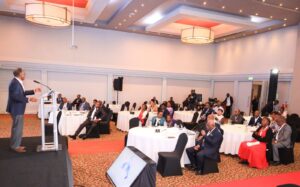
Professor Constance Tengu, a pediatrician and representative of the Sickle Cell Federation, spoke on the scientific strides necessary to advance care for sickle cell patients.
She described the three levels of care emphasized by the World Health Organization: primary, secondary, and tertiary interventions. Secondary measures, such as newborn screening, are underway in some Kenyan counties, but linking patients to consistent care remains a challenge.
Kenya’s sickle cell care infrastructure, Professor Tengu noted, lacks specialized medications and formulations tailored for pediatric patients, like hydroxyurea. On the preventive front, genetic counseling and screening efforts aim to identify carriers and offer informed choices to prospective parents, which could reduce the incidence of new cases. “We need political and academic will from all sectors to push these initiatives forward,” she urged.
While sickle cell care has historically received limited attention in Kenya, recent shifts have drawn more focus to the issue. Professor Tengu reflected on the changes, stating, “Ten years ago, even five years ago, there was minimal attention. But now, we see interest from the Ministry of Health, county governments, academic institutions, and political leaders.” She urged stakeholders to capitalize on this momentum, despite competing priorities in Kenya’s healthcare landscape.
As East Africa strengthens its commitment to tackling blood disorders, this inaugural forum marks a significant step in building an inclusive, patient-centered approach. The commitment to legislative and policy reform signals hope for thousands affected by sickle cell and hemophilia, aiming to ensure that these patients and their families receive the support they have long been denied.
