


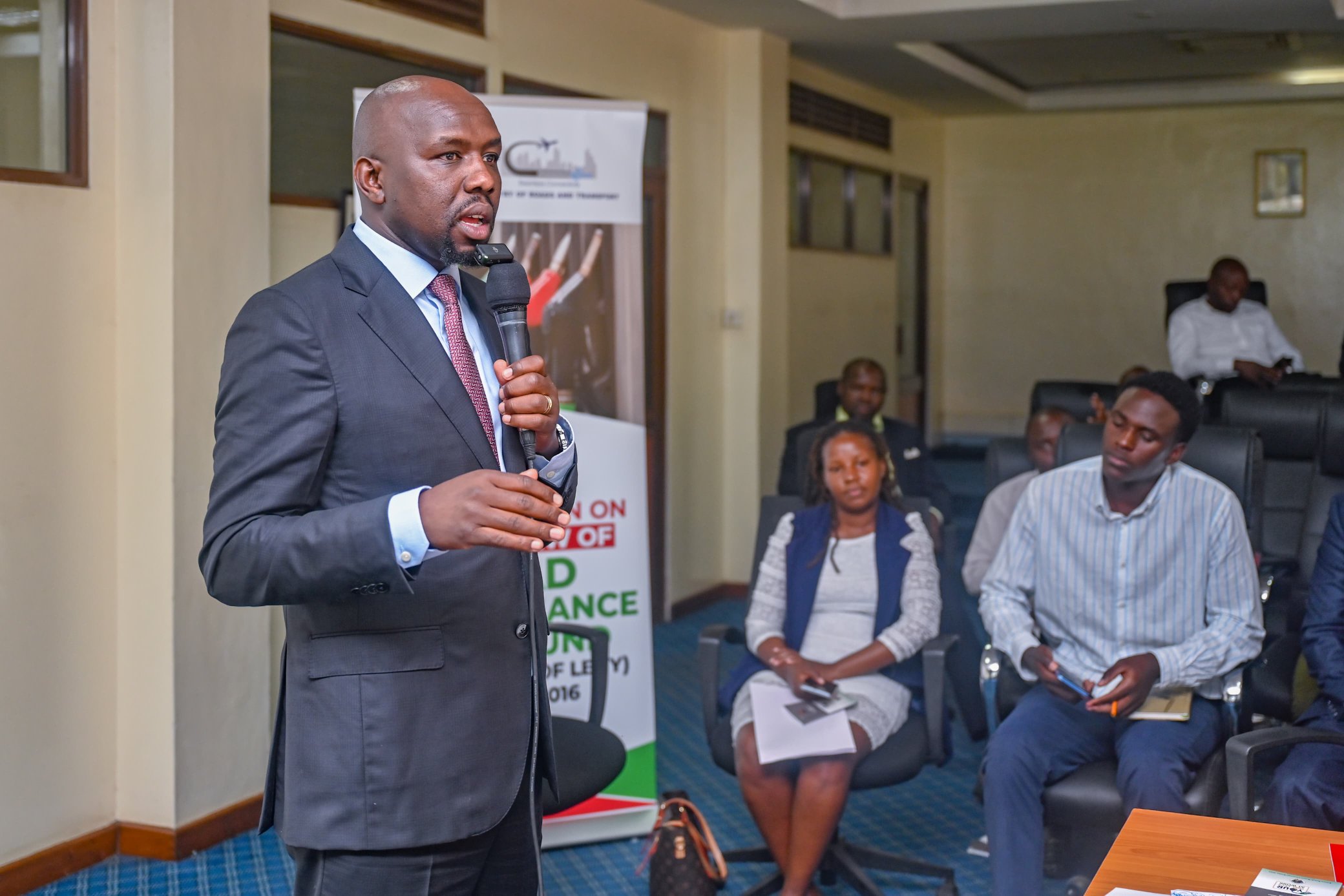
The Kenyan government has retracted proposal to impose a 7-shilling road maintenance levy. This decision comes after extensive public consultations revealed widespread concerns about the potential impact on the cost of living.
Roads and Transport Cabinet Secretary Kipchumba Murkomen announced that the government is now exploring other avenues to generate the 115 billion shillings required for road maintenance without exacerbating fuel prices.
The urgent need for funds is underscored by the roads ministry’s estimate of 37 billion shillings necessary to repair roads recently damaged by floods. Overall, the government faces a colossal 157 billion shillings bill to rehabilitate 3,600 kilometers of roads deemed in critical condition.
Murkomen stated that to address this financial shortfall, the government is considering a comprehensive review of taxes on petroleum products to create an integrated levies matrix. This approach aims to cushion Kenyans from the financial burden of rising fuel costs while securing essential funding for road repairs.
However, the plan is fraught with challenges. CS Murkomen warned that if the proposed levies matrix fails to secure approval, the government might resort to downgrading some tarmac roads to murram to maintain their navigability.
Additionally, the ministry might have to defer certain road projects due to an existing backlog of 165 billion shillings in pending bills. Without immediate and effective measures to replenish the road maintenance fund, the government projects the maintenance deficit could balloon to 315 billion shillings within the next three years.
The Roads and Transport Ministry’s plight reflects a broader trend of increasing demands on Kenya’s road network. Since 2016, the country’s road infrastructure has expanded from 166,451 kilometers to the current 239,122 kilometers. This expansion has strained the resources available for regular maintenance, which has been funded by an 18-shilling per liter Road Maintenance Levy for the past eight years.
In response to the levy proposal, Kenyans participated actively in public consultations, voicing their concerns about the potential economic repercussions. Many feared that an increase in the road maintenance levy would further drive up the cost of living, already a pressing issue for many households. The Roads and Transport Ministry received substantial feedback through emails, social media, and in-person submissions.
“We assure the public that the government would carefully analyze the feedback and devise a plan that aligns with the public’s recommendations”. said Murkomen
He emphasized the government’s commitment to finding alternative resources to maintain the road network without imposing additional financial burdens on citizens. The aim is to balance the urgent need for road repairs with the economic realities faced by Kenyans.
The proposed review of the Roads Maintenance Levy is seen as a necessary step to address the growing maintenance deficit. The government acknowledges that many roads, particularly those under the Low Volume Seal program, have been neglected for the past decade and are at risk of significant deterioration.
As the government navigates this complex issue, it remains to be seen how it will reconcile the need for substantial road maintenance funding with the imperative to protect citizens from increased living costs. The Roads and Transport Ministry’s forthcoming decision will be pivotal in determining the future of Kenya’s road infrastructure and the broader economic well-being of its population.