


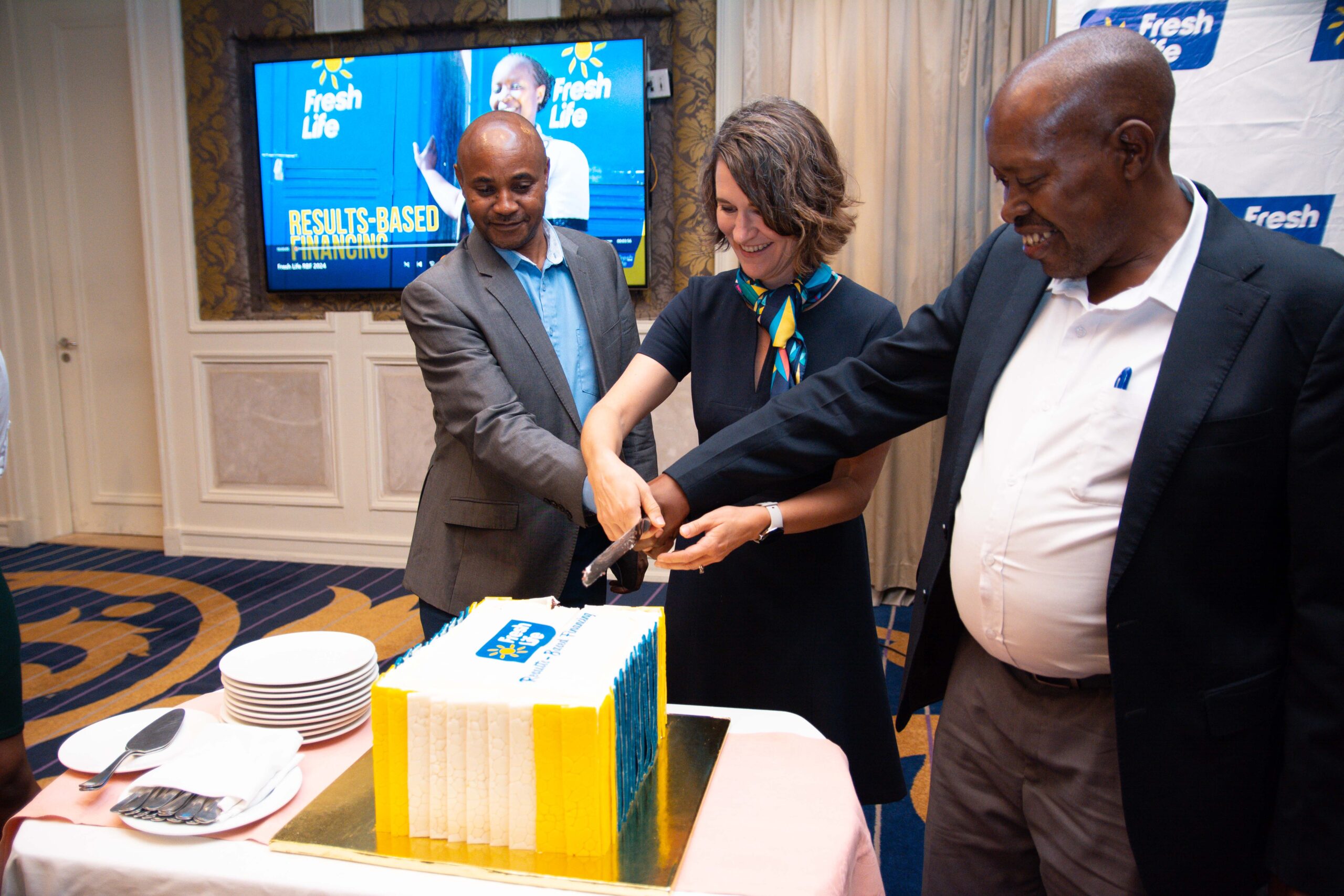
Fresh Life has introduced a groundbreaking Results-Based Financing (RBF) mechanism to improve sanitation access in Nairobi’s urban informal settlements. This innovative approach aims to address the significant sanitation challenges faced by over 60 percent of Nairobi’s population residing in underserved areas.
Kenya’s Water and Sanitation Sector has long struggled with inadequate infrastructure, limited financing, and insufficient maintenance of existing facilities. The National Water and Sanitation Investment Plan (NAWASIP 2023-2030) highlights a need for Kshs.1 trillion to achieve universal coverage and meet Sustainable Development Goal 6 by 2030. However, the sector currently faces a Kshs.652 billion financing gap, with a deficit of Kshs.365 billion for urban sanitation alone.
To bridge this gap, leveraging public-private partnerships and blended financing mechanisms is essential. Fresh Life’s introduction of RBF for urban non-sewered sanitation is a pivotal step in this direction. RBF links financial support directly to measurable results, boosting investor confidence and incentivizing service providers to deliver tangible, impactful outcomes.
 Festus Mutuku, Superintendent Senior Water Engineering at the Ministry of Water, Sanitation, and Irrigation
Fresh Life, a leader in urban non-sewered sanitation, has established a significant network of container-based sanitation systems in cities like Nairobi, Kisumu, Eldoret, and Lusaka, Zambia. Serving over 260,000 people daily, Fresh Life’s initiatives are crucial in a country where safe sanitation coverage is estimated at only 29 percent by the WASREB Impact Report Issue No. 16.
With only seven years remaining until the 2030 Agenda for Sustainable Development Goals deadline, Kenya aims to achieve 40 percent sewer and 60 percent non-sewered coverage. Fresh Life’s proven track record of delivering over 7,500 container-based toilets positions them well to contribute significantly towards this goal.
The RBF model for Fresh Life will focus on three key metrics: the number of container-based toilets added to Nairobi’s network, the total number of operational toilets, and the amount of pit latrine waste processed at Fresh Life’s Mtaa Fresh stations. Funded by Grand Challenges Canada (GCC) and the Osprey Foundation, this mechanism will ensure service provision and sustainability while safely removing waste from low-income communities.
 Lindsay Stradley, Co-Founder and Executive Director of Fresh Life,
Lindsay Stradley, Co-Founder and Executive Director of Fresh Life, emphasized the significance of this initiative: “The launch of the Results-Based Financing initiative marks a new era for the urban sanitation sector in Kenya. By focusing on results, we can ensure that every shilling spent translates into real, measurable improvements in public health and quality of life,” Stradley said
Festus Mutuku, Superintendent Senior Water Engineering at the Ministry of Water, Sanitation, and Irrigation, highlighted the government’s supportive role: “The government’s role is to create an enabling environment for the private sector and implementing partners. The Ministry has been at work, strengthening coordination at the national and county levels and with non-state actors to enhance urban sanitation,”Mutuku stated
This RBF mechanism sets a precedent for future service contracts between the government and Fresh Life, promising scalability and sustainability for urban sanitation solutions in Kenya.