


Civil society organizations (CSOs) in Kenya are raising serious concerns over the government’s allocation of Ksh. 6.7 billion for the Mpox response, describing it as inadequate and poorly prioritized. During a press conference, representatives from various health-focused organizations urged the government to redirect funds towards essential areas, including vaccine procurement, advanced diagnostic tools, and community education.
The government’s plan, announced on Sunday, designates Ksh. 800 million for temporary isolation facilities and Ksh. 91 million for healthcare worker training, with additional funding earmarked for screening, personal protective equipment (PPE) procurement, and community surveillance. Alarmingly, no allocation has been made for vaccine procurement, a critical component in managing the outbreak.
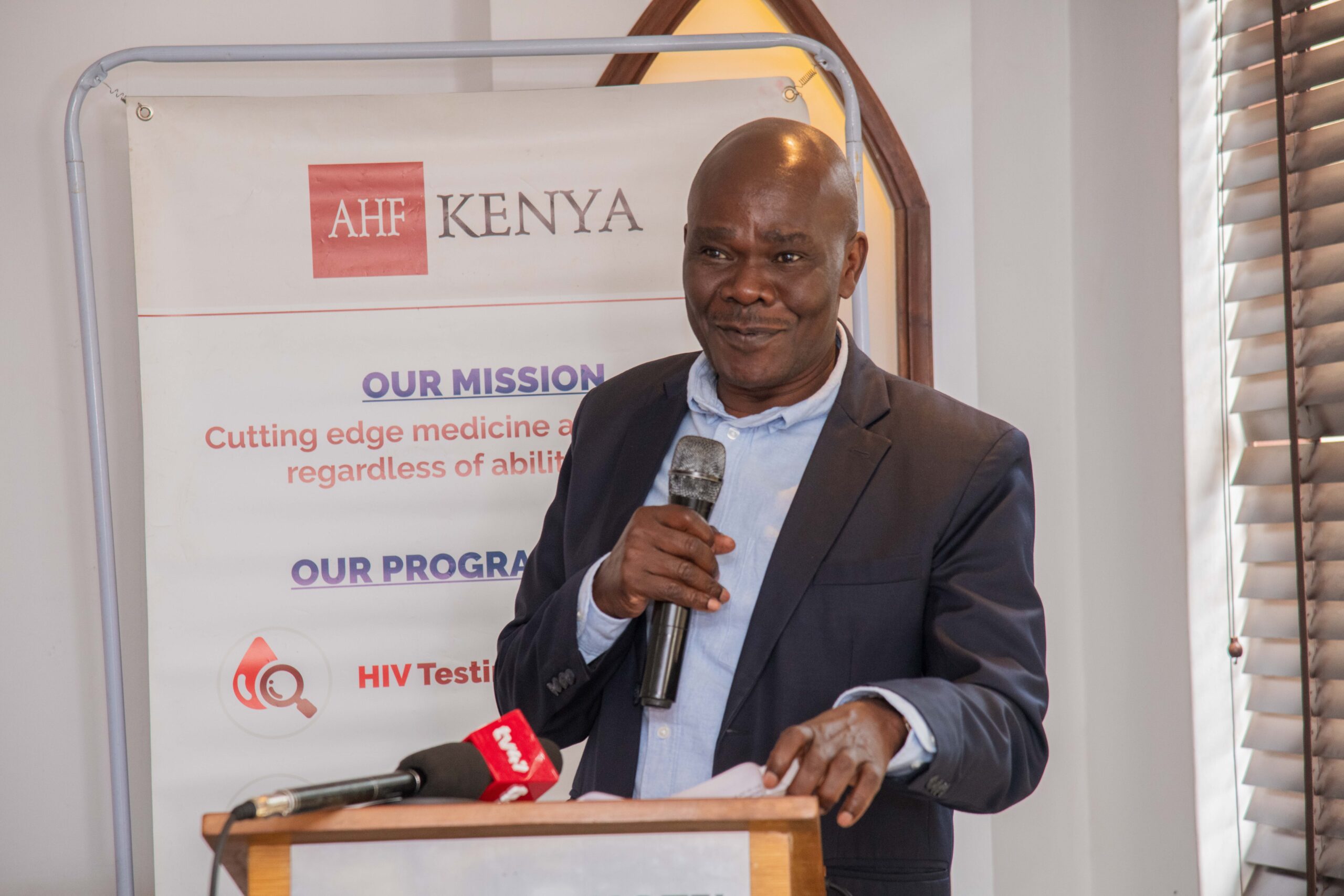
Dr. Samuel Kinyanjui, Country Program Director at AIDS Healthcare Foundation (AHF) Kenya, emphasized the urgency of the situation. “With a death rate of about 3.33% for Mpox, the stakes are high. If we don’t act decisively, the five reported cases could escalate into thousands, similar to how COVID-19 began with a single case and resulted in widespread devastation,” he warned.
CSOs are urging the World Health Organization (WHO) to accelerate the review and approval process for alternative Mpox vaccines to improve affordability and accessibility. Currently, the only available vaccine, MVA-BN, costs KES 12,900 per dose, making it unattainable for many Kenyans. Dr. Kinyanjui called for urgent measures, including patent waivers and technology transfers, to facilitate regional vaccine production and increase supply.
With confirmed Mpox cases in 18 African countries, including Kenya and Uganda, concerns about diagnostic capabilities have intensified. The WHO has noted that many suspected cases remain untested. Out of the Ksh. 6.7 billion allocated, only Ksh. 10 million is set aside for screening at border points, with no funding designated for advanced diagnostic tools essential for rapid and accurate detection.
James Kamau from the Kenya Treatment Access Movement (KETAM) urged the government to prioritize accountability in its pandemic response. “We need a dedicated disaster management fund for pandemics. Although the National Treasury developed such a fund in 2022, it remains unoperationalized,” he stated. Kamau’s remarks come as the Democratic Republic of Congo reports over 21,000 Mpox cases and more than 700 deaths, highlighting the potential for the virus to spread further.
He also emphasized the importance of transparency in the management of response funds to prevent corruption, referencing past mismanagement during the COVID-19 pandemic. “We must avoid a situation where we have Mpox billionaires,” he cautioned.
Faith Ndungu, Advocacy and Communication Manager of the Health NGOs’ Network (HENNET), underscored the importance of community involvement in the outbreak response. “Collective action is vital,” she stated, urging the Ministry of Health to empower civil society organizations in prevention and education efforts. She confirmed the readiness of their network to collaborate with the government.
Additionally, the National Empowerment Network of People Living with HIV/AIDS in Kenya (NEPHAK) called for prioritizing vaccine access and community awareness, particularly among vulnerable populations like children living with HIV. “By educating communities on Mpox, we can mitigate fear and misinformation,” they asserted.
The press conference saw participation from various organizations, including AHF Kenya, KETAM, North Star Alliance, HENNET, the Pandemic Action Network (PAN), and NEPHAK, all emphasizing the critical role of civil society in the national response to the Mpox outbreak.
As Mpox cases continue to rise, the call for a more strategic and community-focused approach becomes increasingly urgent, underscoring the need for immediate government action to safeguard public health.