

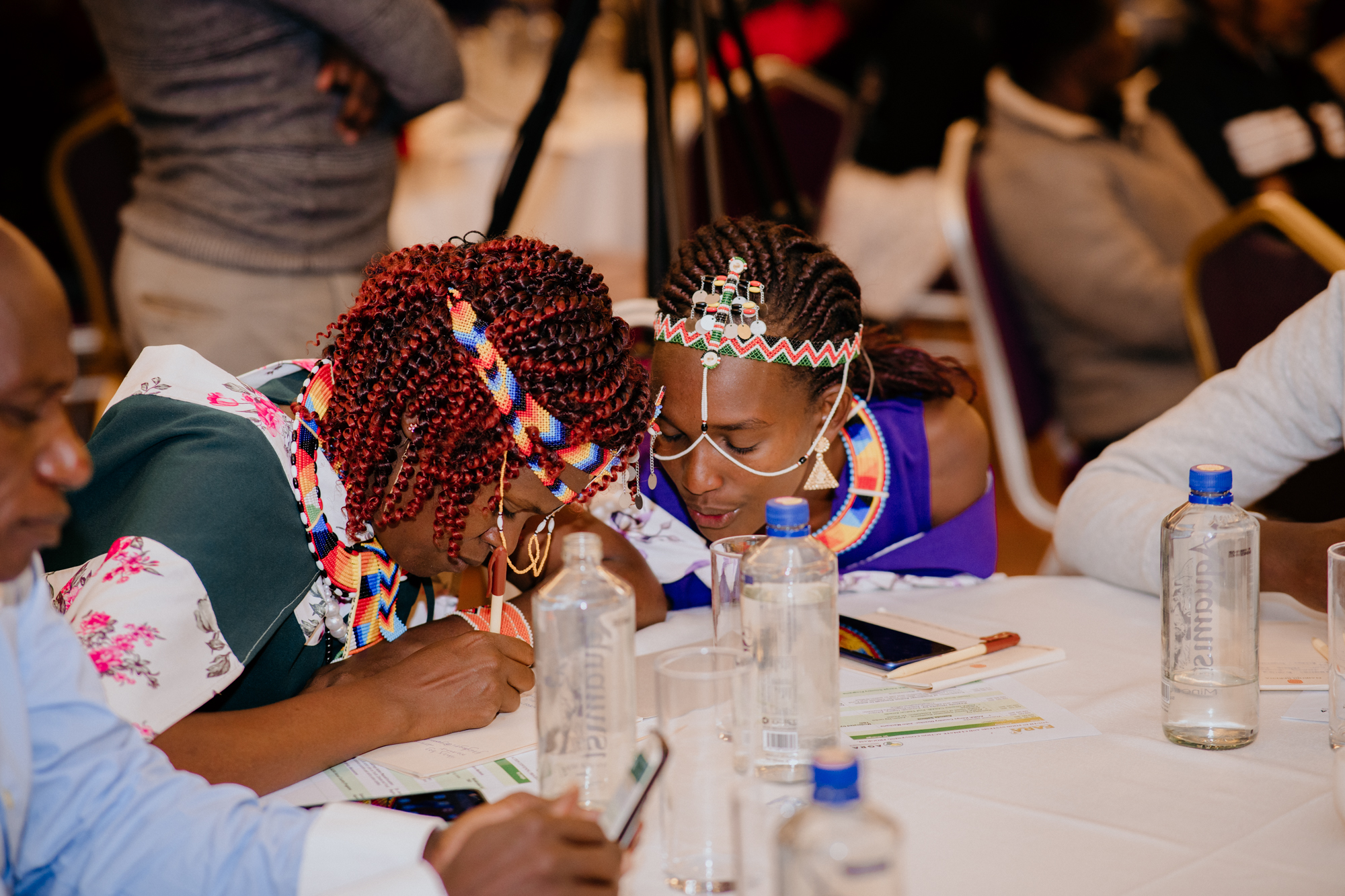
AGRA gathered 100 Kenyan youth involved in agri-food systems in Nairobi to discuss climate change and explore innovative solutions for climate resilience.
This event marks the fourth national-level convening organized by AGRA to tackle climate-related challenges in agriculture.
The session aimed to foster dialogue between young people and key agricultural stakeholders to empower youth, better understand their needs and priorities, and identify opportunities within the sector amidst climate change. The convening also addressed issues of climate adaptation and the transformation of food systems in Africa.
Kindie Fantaye, AGRA’s Head of Climate Adaptation, Sustainable Agriculture, and Resilience, emphasized the role of youth in driving climate resilience. “Together, we can build a sustainable future where our youth are not only survivors of climate change but leaders in creating a resilient and prosperous Kenya,” Fantaye said.

Elizabeth Ngeny, Advisor for Gender and Affirmative Action at the President’s Economic Transformation Office, highlighted the crucial role of civic organizations, NGOs, and academic institutions in advancing climate change initiatives. She acknowledged the contributions of organizations like the Kenya Meteorological Department and the University of Nairobi’s Institute for Climate Change Research, and thanked development partners such as the Mastercard Foundation and AGRA.
Dr. Jeremiah Rogito, AGRA’s Specialist in Food Systems and Land Use, announced that the youth voices from these dialogues will be featured at the Africa Food Systems Forum in Kigali, Rwanda, from September 2 to 6, and at COP29 in November. “We aim to amplify the youth’s perspectives on climate action and use these insights for global policy advocacy,” Rogito stated.
2022 climate report revealed that Africa is warming faster than other regions, exacerbating existing vulnerabilities in agricultural systems. With increased frequency of droughts, heatwaves, storms, and other climate impacts, Africa’s food systems face severe challenges. The youth, disproportionately affected by these changes, are at the forefront of this crisis and require targeted support to adapt effectively.
AGRA’s engagement with youth through these convenings is part of a broader initiative to involve them in African country dialogues, fostering collaboration, knowledge exchange, and coordinated efforts at the national level. In partnership with the Mastercard Foundation, AGRA’s Youth Entrepreneurship for the Future of Agriculture (YEFFA) program aims to boost youth and young women’s participation in transforming African food systems.
The perspectives and recommendations gathered from these sessions will be compiled and presented at major international forums, including the Africa Food Systems Forum and COP29, representing a unified voice for Africa’s youth on climate adaptation and resilience.
To date, AGRA has held similar engagements with youth in Ghana, Rwanda, Uganda, and Kenya, tailoring strategies to address specific national issues and develop country-specific policies for climate resilience in agriculture.