

August 7, 2024– Africa stands poised to become a global leader in renewable energy, leveraging its abundant natural resources to drive a clean energy revolution. Despite this promise, the continent’s potential remains largely untapped due to infrastructure deficits, investment shortages, and policy challenges.
Africa’s diverse landscapes present vast opportunities for renewable energy. North Africa, with its expansive deserts, is ideal for solar power, as evidenced by Morocco’s Noor Ouarzazate Solar Complex, one of the world’s largest solar power stations. Meanwhile, Sub-Saharan Africa’s extensive river systems offer significant prospects for hydropower, with projects like the Grand Ethiopian Renaissance Dam (GERD) set to become the largest dam in Africa.
However, the African Development Bank (AfDB) warns of a significant infrastructure deficit, estimating an annual investment need of $130-$170 billion and a financing gap of $68-$108 billion. To address this, the International Energy Agency (IEA) advocates for a dramatic increase in energy investment, aiming to exceed $240 billion annually by 2030, with a focus on clean energy.
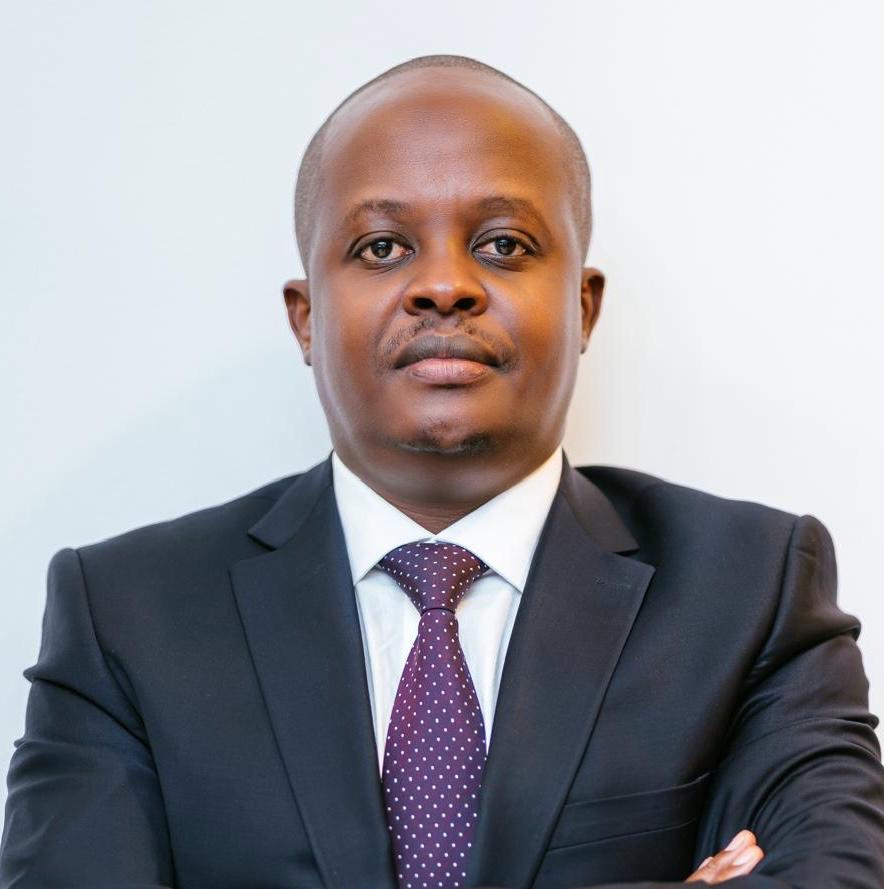
 John Mwendwa, OGW
To bridge this gap, a multifaceted approach is required. Public-private partnerships and international finance can play a crucial role. For instance, Kenya’s Lake Turkana Wind Power project, the largest in sub-Saharan Africa with a capacity of 310 megawatts, highlights the potential impact of targeted investments.
Kenya’s transition to a green energy mix, sourcing 85-90 percent of its power from renewable sources, exemplifies Africa’s renewable potential. Such success stories underscore the need for clear, stable regulatory frameworks and incentives, such as tax breaks and feed-in tariffs, to attract further investments. Mitigating risks through political risk insurance and currency stabilization, alongside local content requirements and investment in education, can also enhance investor confidence and foster regional economic development.
Technological innovations, such as declining solar PV costs and advancements in pay-as-you-go solar home systems, are crucial in expanding energy access, particularly in remote areas. Companies like M-KOPA are leading the way in East Africa, demonstrating the transformative power of affordable solar solutions.
South Africa’s Renewable Energy Independent Power Producer Procurement Programme (REIPPPP) has successfully attracted over $20 billion in private investment, showcasing the benefits of transparent policy frameworks. Other African nations are encouraged to adopt similar models, prioritizing regulatory stability and attractive incentives.
Developing human capital is essential for the sector’s growth. Emphasizing STEM education and vocational training can prepare communities for the demands of a modern energy market, ensuring the benefits of renewable energy projects are widely shared.
Africa’s path to a sustainable energy future depends on a unified approach combining strategic investments, innovative technologies, and supportive policies. By harnessing its diverse potential and fostering collaboration among governments, investors, and communities, Africa can lead the global transition to renewable energy, paving the way for a brighter, greener future.