

At least 77 per cent of Kenyans have been targeted by digital fraud schemes involving emails, phone calls, text messages and online platforms over a recent three-month period, raising concerns about identity theft and the safety of personal information.
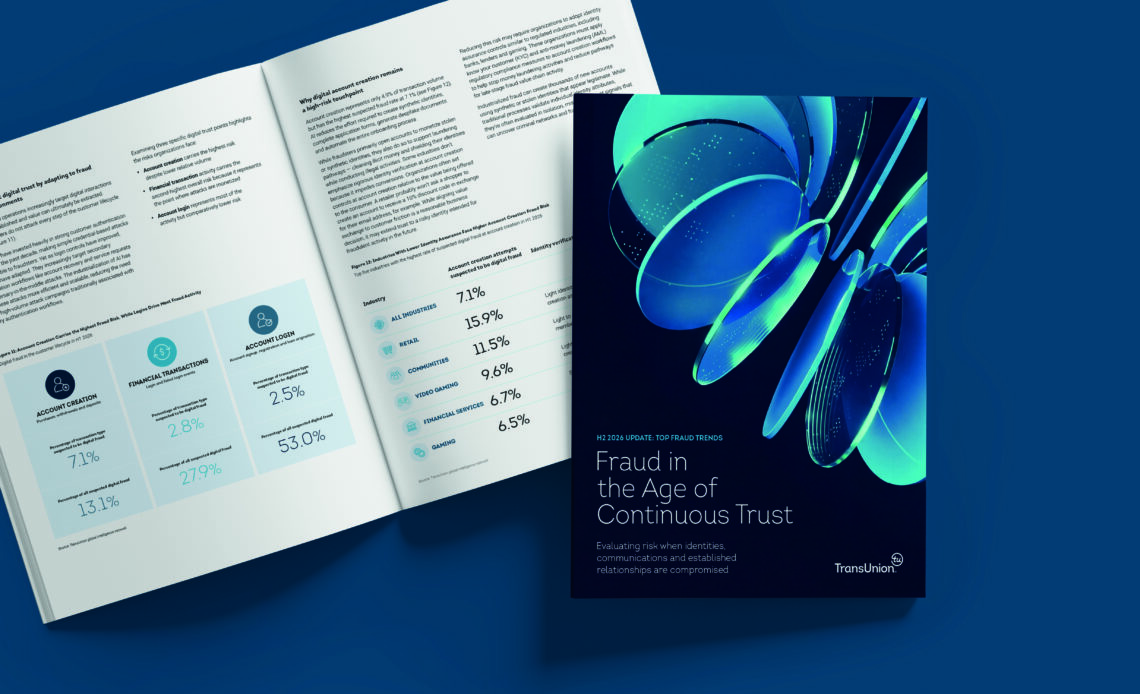
A new report by TransUnion, titled H2 2026 Top Fraud Trends Report, reveals that three-quarters of Kenyans are worried that criminals could use their stolen identities to commit crimes, while 42 per cent fear such information could be used to access workplace systems.
The findings highlight the growing risks facing consumers as Kenya’s digital economy expands through mobile money services, e-commerce and other online platforms.
Among Kenyans who reported being targeted by digital fraud, smishing emerged as the most common scheme, affecting 41 per cent of respondents.
Vishing followed closely at 40 per cent, while phishing accounted for 39 per cent of reported cases.
Smishing involves fraudulent text messages designed to trick victims into sharing personal information, while vishing uses deceptive phone calls to obtain sensitive details. Phishing, on the other hand, relies on fraudulent emails, websites and social media posts to deceive unsuspecting users.
The report also indicates that concerns about identity theft extend beyond direct financial losses, with criminals increasingly using stolen personal information to impersonate individuals, open accounts and access sensitive systems.
Data breaches and online communication channels remain major sources of concern among Kenyan consumers.
According to the survey, 56 per cent of respondents were concerned about their personal information being exposed through data breaches, while an equal proportion identified email phishing as a major threat.
Additionally, 46 per cent expressed concern about criminals intercepting their information while using public Wi-Fi networks.
The findings suggest that digital fraud often begins with the collection of personal information before criminals attempt to access financial accounts or impersonate legitimate users.
TransUnion’s report further highlights the scale of the threat across the continent, indicating that 94 per cent of suspected digital fraud targeting African clients occurred during account login in the first half of 2026.
The findings underline the importance of stronger digital security measures as more Kenyans embrace online financial services and conduct everyday transactions through digital platforms.