

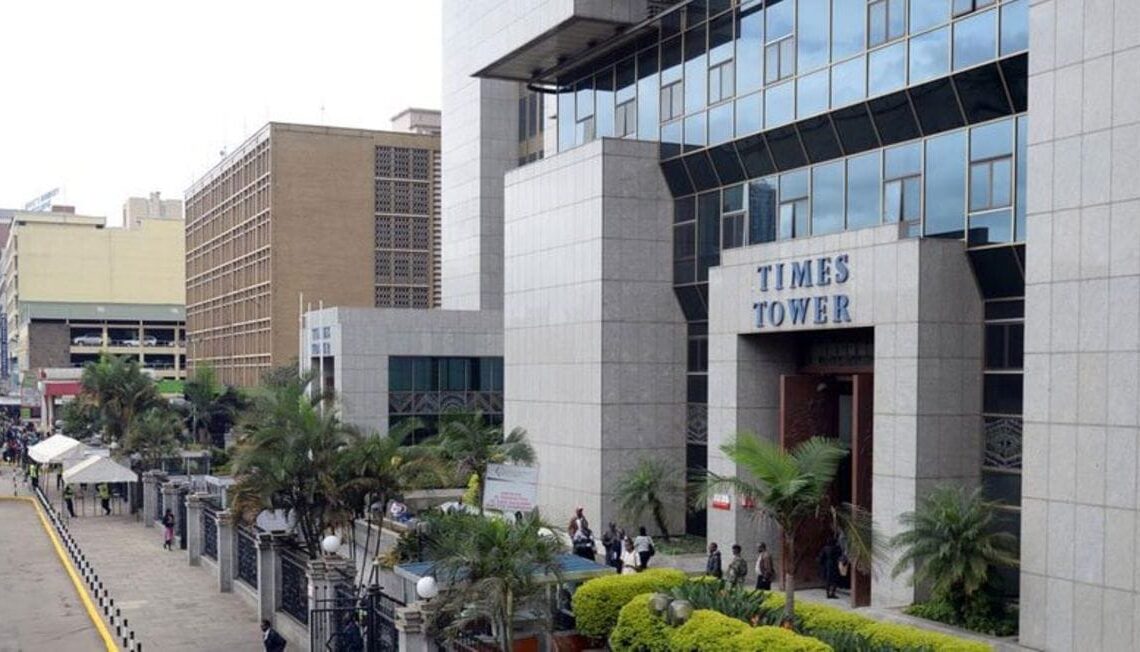
The Kenya Revenue Authority (KRA) is exploring a partnership with Safaricom that would allow M-Pesa to generate electronic tax invoices for small businesses, potentially easing a major challenge facing traders who supply large companies.
Under the proposed arrangement, Safaricom would prepare electronic invoices for merchants receiving payments through M-Pesa tills, paybills and Pochi la Biashara. The invoices would then be submitted to KRA through its electronic Tax Invoice Management System (eTIMS).
The plan is still at an early stage, but it could help small traders meet tax requirements without having to manage the invoicing process themselves. It would also give the taxman greater visibility of business transactions and help identify traders who fail to comply with tax laws. A KRA official told the National Assembly’s Finance and National Planning Committee that discussions with Safaricom had already begun.
“Safaricom would like to carry out reverse invoicing on behalf of merchants, and these are discussions that we have begun with the telecoms operator,” the official said. The proposed system would allow Safaricom to send invoices to KRA at the end of each day. The authority says a similar approach already works with supermarkets, where invoices generated during business hours are submitted at night.
Kenyan law requires businesses to issue electronic invoices as proof of sales. Large companies also need these records to support expenses claimed for tax purposes. However, some small suppliers have struggled to meet the requirements, making it harder for them to secure contracts with larger firms.
Reverse invoicing allows a buyer or an approved third party to generate an invoice on behalf of a supplier. If the M-Pesa arrangement proceeds, small traders could spend less time dealing with paperwork while maintaining access to corporate customers.
Safaricom reported 3.1 million merchants on its M-Pesa platform in the year to March 2026, up from 1.8 million a year earlier. The network included 2.1 million Pochi la Biashara merchants and one million businesses using Lipa na M-Pesa tills and paybills.
The informal sector remains central to employment in Kenya. It accounted for 717,000 of the 819,000 jobs created last year, representing about 85 per cent of the total. KRA is also pursuing similar arrangements across the tea, sugar and coffee industries, where many small-scale farmers supply larger processors. The authority has an existing arrangement with the East African Tea Trade Association to issue invoices for farmers selling tea through the Mombasa auction.
The initiative could help widen tax compliance while giving small businesses a more practical way to meet invoicing rules. However, the partnership with Safaricom remains under discussion, and the authority has not announced a rollout date.