

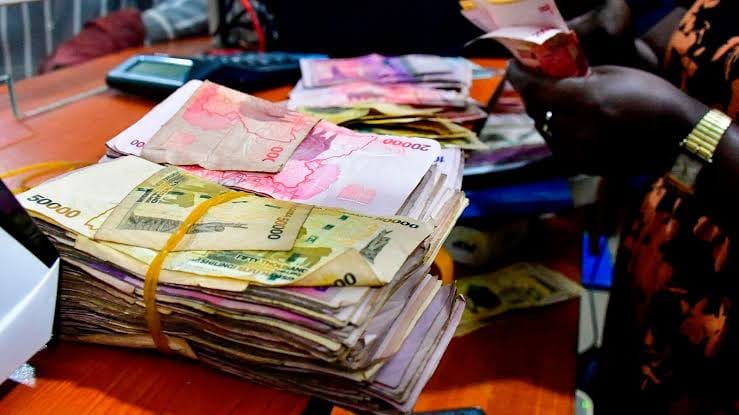
Kenyan businesses risk losing customers in Uganda as the neighbouring country’s weakening currency pushes up the cost of Kenyan goods and makes Ugandan products more competitive in local markets.
The Ugandan shilling has lost more than 14 percent of its value against the US dollar since June 2026, raising concerns that consumers in Uganda may reduce purchases of Kenyan products because of rising prices.
Uganda remains Kenya’s largest export market, buying goods worth Sh162.4 billion in 2025. These include medicines, cement, metal products, soap and palm oil. Kenya’s exports to Uganda increased from the previous year, maintaining the country’s strong position in regional trade.
However, the currency slide could weaken this trade relationship by making Kenyan products more expensive for Ugandan buyers. Since transactions between the two countries largely use US dollars, the depreciation increases the amount of Ugandan currency needed to purchase Kenyan goods.
At the beginning of 2026, one Kenyan shilling exchanged for about 26.80 Ugandan shillings. By October, the rate had risen to approximately 31.91 Ugandan shillings for one Kenyan shilling.
Uganda’s currency fell to a record low of 4,240 shillings against the US dollar last week before recovering some losses following intervention by the Bank of Uganda (BoU).
Abhishek Sharma, TradeMark Africa’s senior director of transport and logistics, warned that higher prices could reduce demand for Kenyan manufactured goods in Uganda.
“For a lot of our manufactured goods, you would definitely expect to see a decline in export values because the resulting price increase would reduce demand,” Sharma said.
Meanwhile, Ugandan products could become more attractive to Kenyan consumers because the weaker currency makes them relatively cheaper. This could increase the flow of goods into border towns such as Busia and Malaba, putting pressure on local traders.
Sharma, however, said the currency depreciation might not trigger a dramatic increase in imports, partly because existing trade disputes have already affected business between the two countries.
Kenya’s imports from Uganda have previously faced disruptions over disagreements involving agricultural products, including eggs and milk, as well as the imposition of a sugar levy.
The weakening currency also reflects pressure from foreign investors withdrawing money from Uganda’s government securities market. Rising energy costs and global tensions have added to the country’s economic challenges.
In response, the Bank of Uganda raised its benchmark interest rate by 2.25 percentage points to 12 percent during an emergency policy meeting last week. The move aims to discourage further capital outflows and stabilise the currency.
Uganda’s foreign exchange reserves currently cover about 3.7 months of imports, below the East African Community’s target of 4.5 months. Kenya’s reserves, by comparison, covered approximately 5.9 months of imports last week, supporting the relative stability of the Kenyan shilling.
Traders expect the Ugandan currency to remain under pressure, although recent central bank measures could slow further losses.