


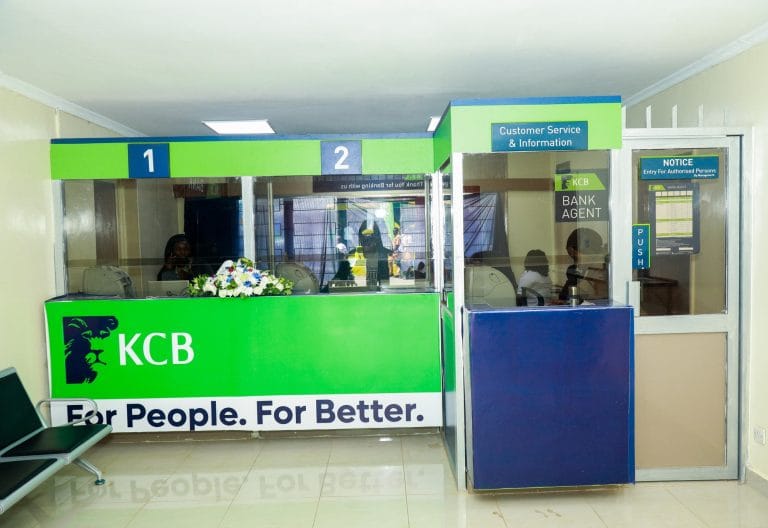
Kenya’s growing reliance on digital payments is putting fresh focus on the cost of moving money, with KCB urging consumers and financial institutions to make transactions cheaper and more efficient.
The bank says reducing payment costs will be important as more Kenyans shift to digital channels for everyday purchases, bill payments, school fees and other services.
KCB Director of Digital Financial Services Angela Mwirigi said consumers should pay attention not only to how they make payments but also to the fees and extra steps involved.
Central Bank of Kenya data cited by KCB shows registered mobile money accounts reached 95.31 million in August 2026, up from 82.43 million in December 2024. The number of active agents stood at 563,605, while monthly mobile money transactions were valued at Sh761.13 billion in August.
Despite the growth in digital payments, transaction volumes have not increased at the same pace. The CBK’s 2025 Bank Supervision Annual Report shows monthly mobile money transaction volumes fell from 309.28 million in 2024 to 217.58 million in 2025. Their value, however, declined more modestly from Sh753.45 billion to Sh722.53 billion.
The figures point to consumers making fewer but potentially higher-value transactions as households manage rising living costs and tighter budgets.
KCB’s Common Cents campaign is seeking to encourage Kenyans to develop better money habits and avoid unnecessary charges. One of the habits it highlights is transferring money from a bank account to a mobile wallet before making a payment.
Mwirigi said KCB is working to bring more services together through its mobile banking platform, allowing customers to pay bills, school fees and other expenses directly from their bank accounts instead of making additional transfers.
She said smarter digital payments can save time, reduce transaction costs and give consumers a clearer view of where their money is going.
The push for lower charges also comes as the regulator reviews the cost of digital transactions. The CBK has revised maximum charges for bank-to-wallet transfers, with fees ranging from Sh11 for transfers between Sh101 and Sh500 to Sh35 for transactions between Sh2, 501 and Sh3, 500, depending on the provider.
The CBK has also identified lower transaction costs and wider use of digital payment services as priorities under the National Financial Inclusion Strategy 2025–2028.
Person-to-merchant payments now account for about 30 per cent of transaction volumes, while the regulator has proposed peer-to-peer fee caps to help reduce costs. Although 83 per cent of adults have a financial account, millions still depend on cash, particularly in rural areas where transaction costs can reach 6.9 per cent of the amount transferred.
As digital payments become part of everyday life, every transaction should provide value rather than create unnecessary costs.