


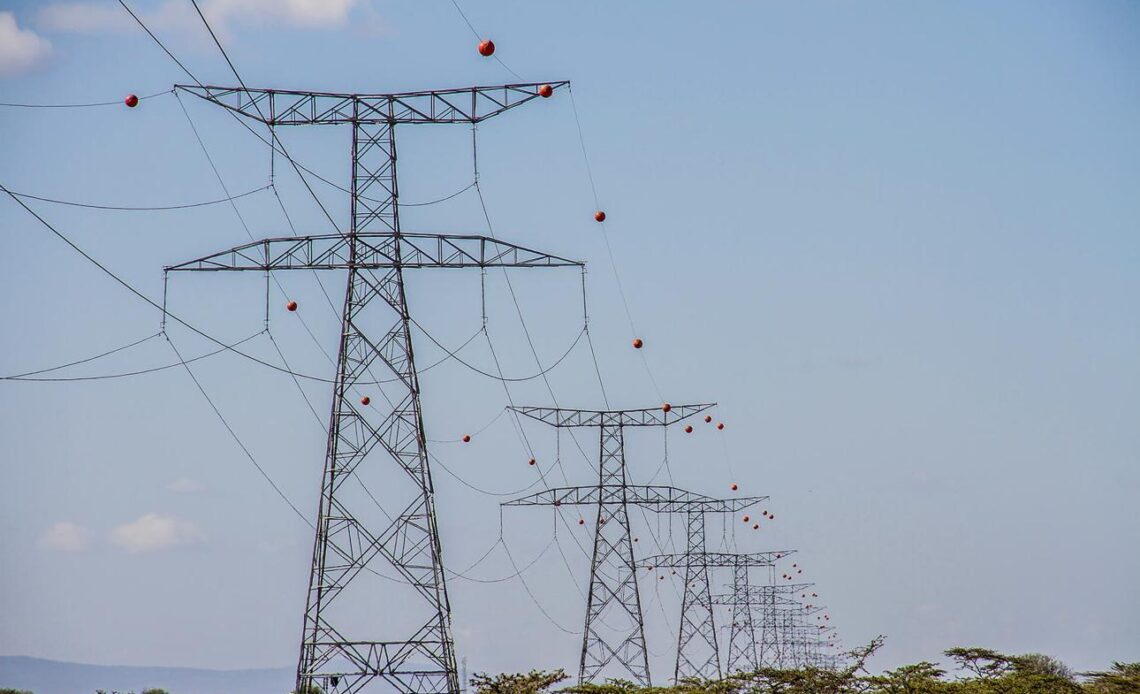
Kenya Power has reduced the amount of electricity lost through its network to the lowest level in 11 years, giving the utility company a major boost as it works to improve efficiency and reduce losses caused by theft, illegal connections and technical problems.
The company said system losses fell to 18.58 per cent in the year to June 2026, down from 21.21 per cent recorded in the previous financial year. This means Kenya Power reduced its losses by 2.63 percentage points during the period.
System losses refer to electricity that Kenya Power buys from producers but does not eventually sell to customers. Some of the power is lost naturally as it moves through the network, while other losses are caused by electricity theft, illegal connections and problems with meters.
The latest improvement has brought Kenya Power closer to the limit set by the Energy and Petroleum Regulatory Authority (Epra). The regulator's maximum allowable loss level for the review period was 16.5 per cent, meaning Kenya Power was 2.08 percentage points above the target. A year earlier, the gap stood at 3.71 percentage points.
Kenya Power Managing Director Joseph Siror attributed the improvement to upgrades on the network, operational changes and the second phase of the company's loss-reduction programme, known as the Gigawatt Project. The programme focuses on identifying electricity that is being consumed but not properly accounted for.
The biggest improvement was recorded in secondary substations and low-voltage networks, where losses dropped from 11.74 per cent to 9.57 per cent. Losses in medium-voltage networks also declined from 4.59 per cent to 4.01 per cent.
However, transmission technical losses increased slightly to 4.56 per cent from 4.23 per cent during the
same period.
Kenya Power has increased its use of technology to identify where electricity is being lost. By June 2026, the company had installed meters at all regional and county border points and at key connections between transmission, sub-transmission and distribution networks.
Metering of medium-voltage feeders had also reached 97 per cent, allowing the company to track electricity moving through different parts of the network and identify areas where unusually high losses occur.
During the year, Kenya Power replaced 347,443 conventional meters with smart meters and replaced another 415,859 faulty meters. It also introduced technologies such as optical character recognition and geofencing to improve meter reading and detect unusual activity.