


For a long time, the supply of electricity in Kenya was erratic, and rising fuel prices compelled many families, schools, churches, and other businesses to make sacrifices. While farmers had to discard their produce due to a lack of electricity, small businesses spent a lot of money running their generators on diesel. Meanwhile, children had to contend with studying under the weak light of kerosene lamps.
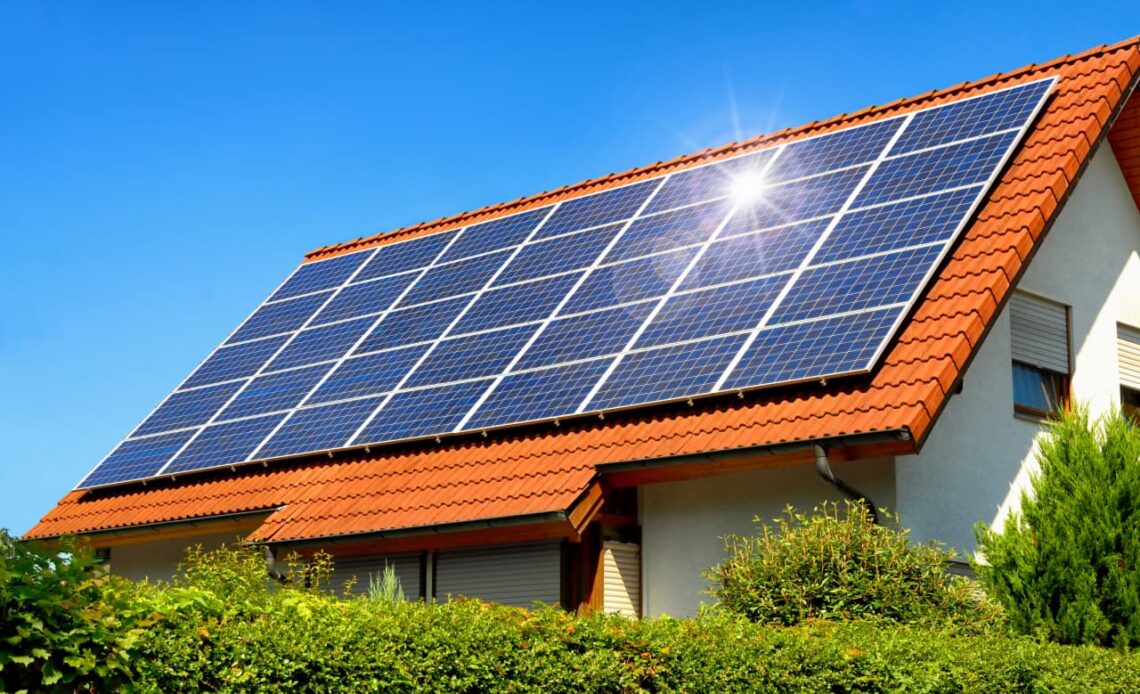
That narrative is beginning to change for the better. Read More: NCBA Group, through its Solar PV Leasing Initiative, is enabling thousands of Kenyans to use clean and reliable energy without having to pay the full amount at once. Customers have the option to lease the solar systems instead of buying them at a very high price and gradually own them through monthly payments, which is affordable.
Electricity for many entrepreneurs means power and more power. For example, a small factory that depends on machines, a dairy farmer whose milk is preserved in cold storage, or a health centre that keeps its life-saving equipment running, these are cases where electricity not going off can result in either growth or stagnation.
One of the greatest barriers to the adoption of renewable energy is high initial costs, and NCBA’s lease-to-own solar system is a step in the direction of removing such obstacles.
In some cases, lease contracts can last up to 10 years with a possibility of no or very minimal upfront payment, meaning businesses can switch from costly electricity and diesel to solar power and only have to deal with affordable monthly instalments.
What follows is reduced production costs, enhanced production capacity and increased profit that can be used in further business expansion, staff recruitment, as well as investment in new opportunities.
Also, the influence is quite significant even at the level of personal households. Access to affordable solar power for families opens up a whole range of possibilities: from children studying well after sunset without straining their eyes to food and medicine stored in fridges without the danger of spoiling and completely secure homes through reliable lighting.
It also helps in the development and sustenance of home-based businesses like tailoring salons, mobile phone charging services and little retail shops that rely heavily on continuous electricity without any interruptions to make a living.
NCBA is undertaking the integration of solar financing in mortgages and home construction loans so that clean energy is a part of the dream of owning a house. It isn’t only the businesses that are turning to solar energy, but also educational institutions and churches.
Schools that adopt solar energy get to spend less on electricity while at the same time assuring that classrooms, computer labs and boarding facilities are still being supplied with power during the day and at night.
Apart from providing reliable energy to power their services, meetings and outreach programmes, churches and other community institutions that have embraced solar can direct the money that they’ve saved in energy consumption towards supporting activities that serve their communities.
In fact, electricity that’s reliable is what makes it possible for these institutions to channel their attention towards education, worship and community development rather than putting up with the thought of climbing energy bills.
What a Triumph Over Nature?
Using solar systems instead of diesel generators goes a long way in cutting down on carbon emissions and, at the same time, helps the country to meet its environmental goals.
They also raise the value of the property and contribute to long-term environmental sustainability. So, deciding to use solar energy isn’t only a way of protecting the environment but also a wise financial move.
Also Read Changing the Story, One Installation at a Time
NCBA’s Solar PV Leasing Initiative works as a proof point that ordinary Kenyans don’t have to be left out of the clean energy revolution.