


The Kenya Coalition to End Plastic Pollution has warned that toxic chemicals and microplastics from plastic waste are increasingly contaminating marine ecosystems, food systems, and communities.
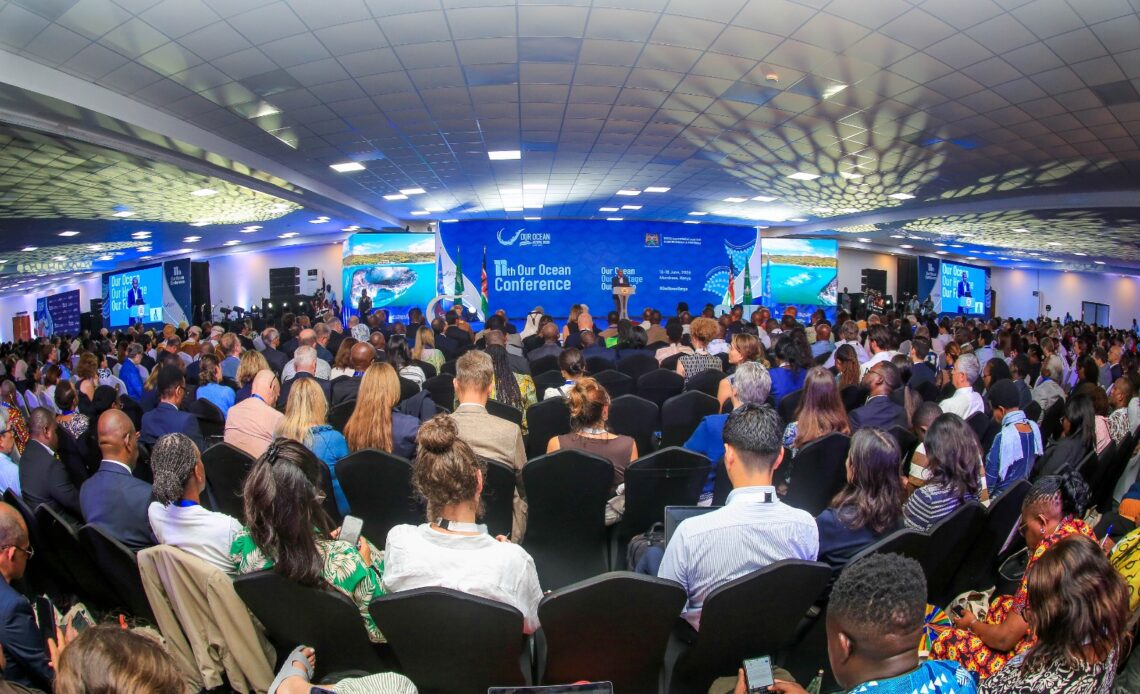
The warning was issued as the 11th Our Ocean Conference concluded in Mombasa, with the coalition calling for urgent action to address the growing threat posed by plastic pollution to oceans and human health.
The coalition comprises the Centre for Environment Justice and Development (CEJAD), Heinrich Böll Foundation, Mt. Kenya Network Forum (MKNF), Greenpeace Africa, and Decoalonize.
Plastic Waste Threatens Oceans and Food Chains
The coalition noted that plastic pollution contributes to about 80 per cent of marine litter globally, exposing marine life to risks such as entanglement, choking, and ingestion of plastic materials mistaken for food.
It further warned that toxic chemicals found in plastics and microplastics can enter the human food chain through seafood consumption, posing potential health risks including cancer, reproductive challenges, and endocrine disruption.
“Studies by CEJAD and partners have confirmed that many recycled and everyday consumer plastics currently on the Kenyan market contain toxic chemicals, capable of leaching into the environment. Beyond this chemical threat, plastics fragment into microplastics that can be ingested by marine life and enter the food chain as seafood, posing serious health risks when consumed,” Griffins Ochieng’, Executive Director at CEJAD.
Land-Based Waste Driving Marine Pollution
The coalition highlighted that approximately 80 per cent of marine plastic pollution originates on land, largely from poorly managed waste that is transported through rivers, waterways, and drainage systems into oceans.
Frederick Njau, Programme Coordinator for Sustainable Development at Heinrich Böll Foundation, said strengthening waste management systems is critical to preventing plastic pollution from reaching coastlines and marine ecosystems.
“Around 80% of marine plastic pollution originates on land, largely from mismanaged waste that is carried through rivers, waterways and drainage systems into the ocean. This underscores the urgent need to strengthen waste management systems if we are to tackle plastic pollution before it reaches our coastlines and oceans,” Frederick Njau
Coastal Communities Bear the Impact
Greenpeace Africa said coastal communities remain at the frontline of the plastic pollution crisis, experiencing polluted beaches, declining fish catches, and damage to marine life.
Hellen Dena, Pan-African Plastic Project Lead at Greenpeace Africa, said communities must be empowered and supported to lead solutions that protect both ocean and human health.
“Coastal communities are the first to witness the impacts of plastic pollution, but they are also at the heart of the solutions,” she said.
Coalition Calls for Stronger Government Action
The coalition urged governments, businesses, development partners, and the international community to move beyond commitments and implement measurable actions to address plastic pollution.
Among the priority interventions proposed are increased investment in environmental education, public awareness, youth leadership, community-led conservation initiatives, and sustainable livelihood opportunities.
The coalition also called for stronger protection and restoration of critical marine habitats, including mangroves, coral reefs, and beaches that support biodiversity, fisheries, and coastal economies.
Push for Enforcement of Waste Management Laws
The coalition called for full implementation and enforcement of Kenya’s Sustainable Waste Management Act and Extended Producer Responsibility (EPR) Regulations.
It said producers must take greater responsibility for the waste they generate, while communities should have access to effective waste segregation, collection, recovery, and recycling systems.
The group also emphasised the need to recognise and integrate waste pickers and frontline waste workers into formal waste management systems due to their role in preventing plastic waste from reaching rivers and oceans.
Calls for Reduction of Plastic Production
The coalition urged action to eliminate plastic pollution at its source by reducing plastic production, removing hazardous chemicals from plastics, phasing out problematic single-use plastics, and expanding reuse and refill systems.
It stressed that protecting ocean health requires a transition to a toxic-free circular economy where less plastic is produced, consumed, and discarded.
The coalition said governments and businesses must accelerate implementation of commitments made during the Our Ocean Conference to safeguard marine ecosystems and protect the health and future of communities.