


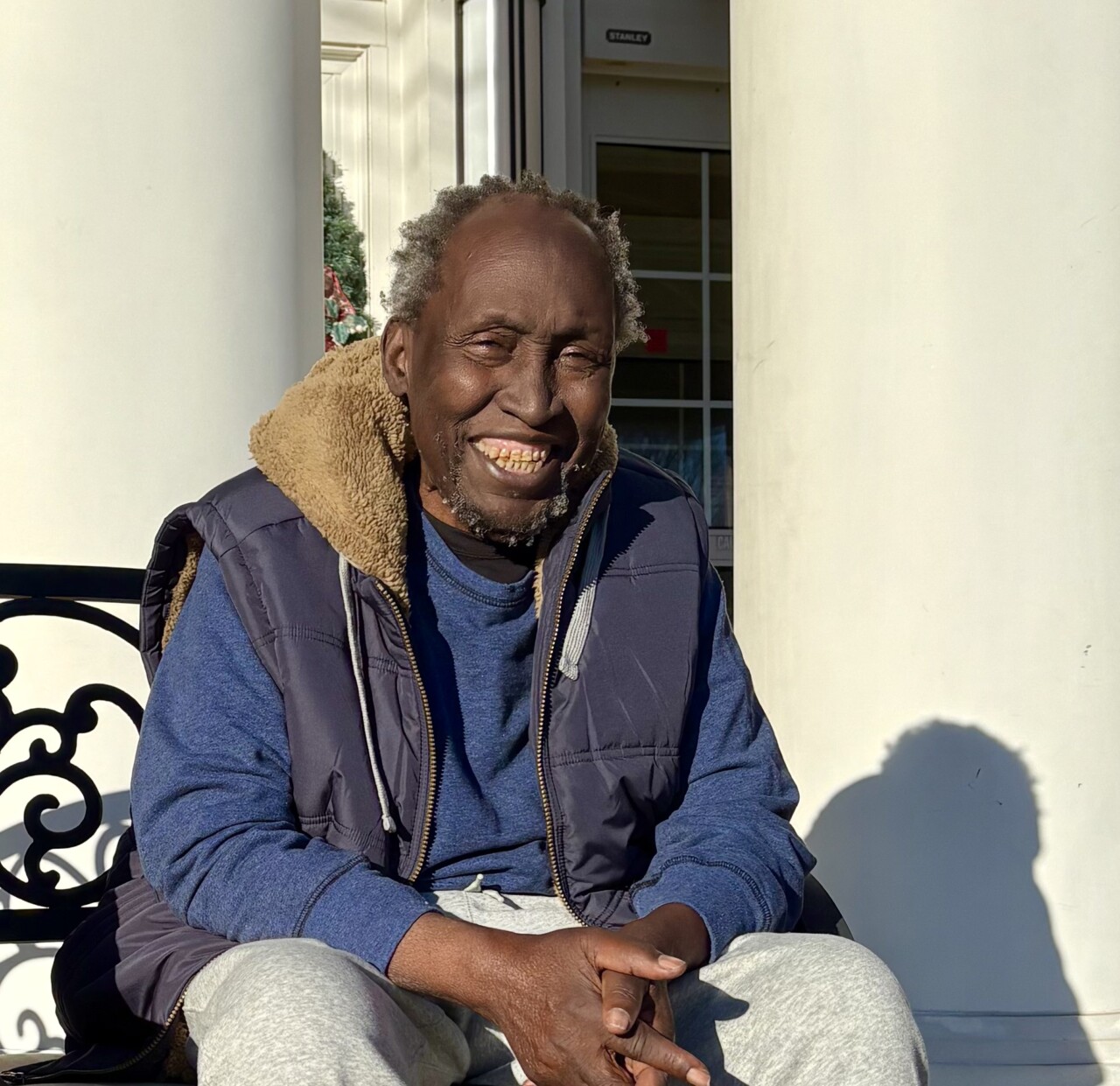
Kenya is mourning the loss of one of its most celebrated sons, Professor Ngũgĩ wa Thiong’o, the world-renowned author and literary icon who passed away on Wednesday, May 28, 2025, in Atlanta, United States, at the age of 87.
His family confirmed the news and called for a celebration of his remarkable life and literary legacy. His daughter, Wanjiku wa Ngũgĩ, announced the passing through a heartfelt Facebook post, revealing that his final wish was for his life and work to be celebrated.
Ngũgĩ wa Thiong’o, widely regarded as Kenya’s most influential writer and one of Africa’s leading literary voices, authored works that spanned decades, capturing Kenya’s transformation from colonialism to independence and democracy. His writings, rich in political insight, cultural pride, and linguistic innovation, inspired generations across the continent and beyond.
President William Ruto led the nation in mourning, eulogizing Ngũgĩ as “Kenya’s beloved teacher, writer, playwright, and public intellectual.” In his tribute, President Ruto described the late professor as a “towering giant of Kenyan letters” and a patriot whose courage and intellectual boldness left an indelible mark on the national consciousness.
“Ngũgĩ wa Thiong’o will forever remain a champion of literary emancipation and innovation,” the President said, noting the author’s pivotal role in redefining African literature and consciousness.
Born on January 5, 1938, in Kamiriithu, Kiambu County, Ngũgĩ rose to literary prominence in the 1960s with his debut novel Weep Not, Child — the first major English-language novel by an East African writer. He followed it with other seminal works, including The River Between, A Grain of Wheat, Petals of Blood, and the satirical epic Wizard of the Crow.
In 1977, Ngũgĩ co-authored the politically charged play I Will Marry When I Want with Ngũgĩ wa Mĩriĩ. The play’s critique of post-colonial oppression led to his detention without trial by the Kenyan government. It was during this incarceration that he wrote Devil on the Cross — his first novel in Gikuyu, marking a pivotal turn in his advocacy for writing in African languages.
Following his release, Ngũgĩ faced continued political persecution and eventually went into exile. He later settled in the United States, where he served as a Professor of English and Comparative Literature at various prestigious universities.
Ngũgĩ’s work was not only literary but also deeply political and cultural. He championed the decolonization of African minds, promoted indigenous languages, and consistently challenged systems of oppression through his writing.
He leaves behind a towering legacy that continues to shape African literature, academia, and thought.
His passing marks the end of an era, but his voice will continue to echo through the pages of his books and the hearts of millions who found courage, truth, and identity in his words.
Plans for his memorial and celebration of life are expected to be announced by the family in the coming days.