


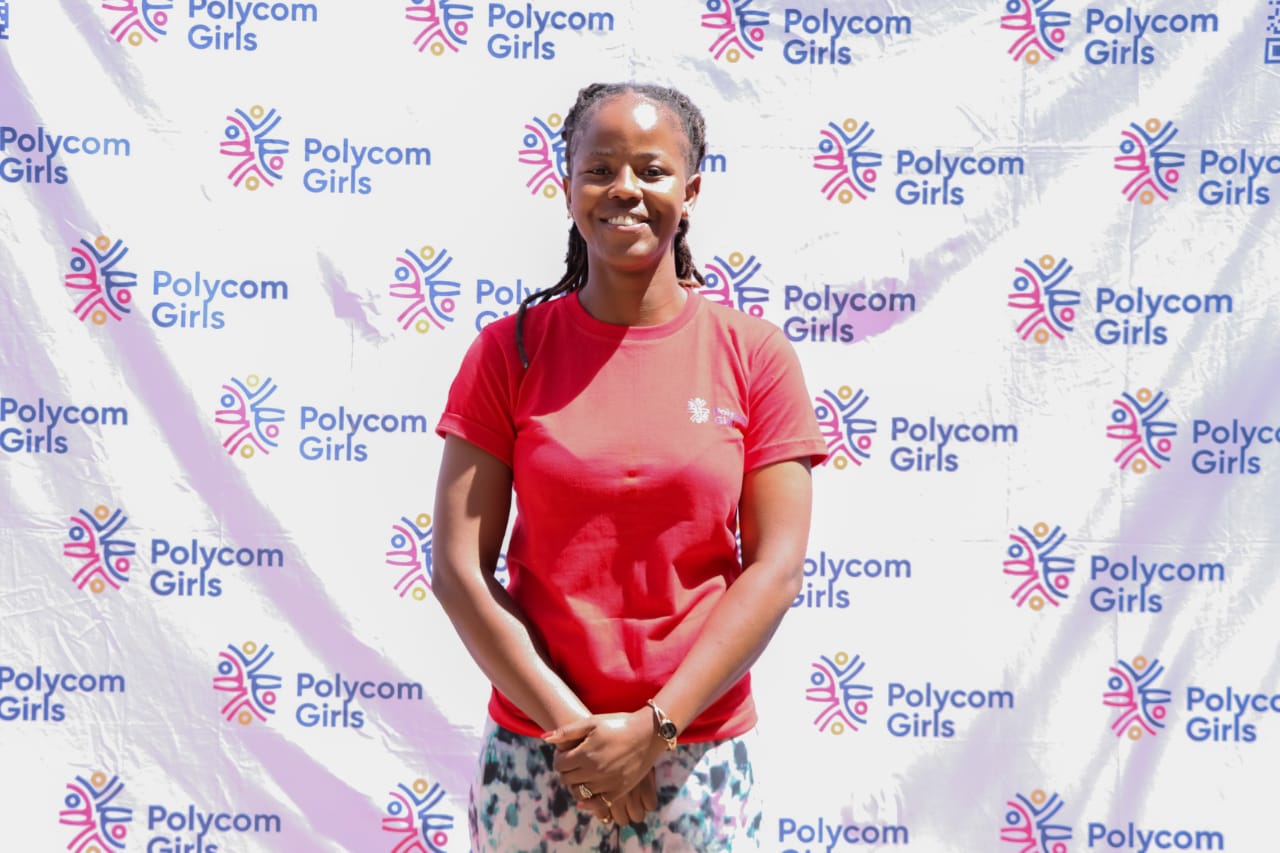
Lydia Achieng-Head of School Programs-Polycom Girls & sits in the UNFPA Youth Advisory Board
As the world marked International Menstrual Hygiene Day under the theme “Together for a #PeriodFriendlyWorld,” Polycom Girls Organization led a bold and inclusive community campaign in Kibera, urging stakeholders at all levels to confront period stigma and ensure menstrual health as a fundamental human right.
Held at the AIC Church Grounds in Kibera, the event drew together adolescent girls, community leaders, male champions, educators, and media representatives to break the silence surrounding menstruation and amplify the call for dignity, equity, and access to menstrual hygiene for all.
Girl-Led Dialogue, Community Action
With its grassroots, girl-centered approach, Polycom Girls rolled out a two-pronged campaign combining girl-led dialogues and strategic media engagement. The aim: to normalize conversations around menstruation, eliminate shame, and demand structural support for menstrual health.
“This is not just about hygiene. It’s about dignity, education, and breaking taboos,” said Wendy Aura, Programs Manager at Polycom Girls. She reiterated calls for the Government of Kenya to fulfill its Generation Equality commitments, particularly those focused on ending gender-based violence and improving access to menstrual health products and services.
Anthony Kimani-Male Ally and Mentor
Citing data from the WHO and UNICEF, organizers pointed out the urgent need for change, with only 2 in 5 schools globally providing menstrual health education and just 1 in 3 equipped with proper disposal facilities. In Sub-Saharan Africa, menstrual-related absenteeism among girls can reach up to 31 percent.
Voices from the Frontline
The event was marked by powerful testimonies and calls to action from a diverse lineup of speakers united in the belief that menstrual health is a shared responsibility.
Brenda Kalekye, a Board Member at Polycom Girls, called on girls and women to embrace their periods with pride: “Gone are the days we purchase pads in shame. Let’s normalize ‘My Period, My Pride.’”
Mugeni Baraza, a mentor and program beneficiary, emphasized empowerment through open dialogue: “This day is symbolic. It breaks taboos and fosters empowerment.”
Kefa Dickson and Kimani Mwangi, male mental health advocates, stressed the importance of involving boys and men in menstrual health conversations: “We must raise boys who are allies, not bystanders,” said Dickson.
Lydia Achieng, Youth Advisor to UNFPA, praised Polycom’s innovative model, including their locally produced G-Pende sanitary pads and direct community outreach in informal settlements.
Patricia Makokha, a teacher at Ayany Primary School, called on the government to prioritize funding for menstrual products and inclusive WASH (Water, Sanitation and Hygiene) facilities, especially for girls with disabilities.
Youth Innovation Driving Change
The event built upon the success of previous initiatives like the “Siri Ya Mwezi” comic book—developed in partnership with Womankind Worldwide—which remains a vital educational tool promoting menstrual health dialogue.
Wendy Aura-Programs Manager/Gender Advocate-Polycom Girls
Attendees also engaged with Polycom’s Talking Boxes, an anonymous platform enabling girls to safely voice concerns about their bodies and health. The initiative, which has received support from female Members of Parliament, highlights the importance of intergenerational dialogue and mentorship.
A Collective Call to Action
As the day concluded, Polycom Girls issued a call to action:
To the Government of Kenya: Ensure sustainable budgetary allocation for menstrual products in public schools and uphold commitments made during the Generation Equality Forum.
To Communities: Normalize period conversations across all generations and genders.
To the Media: Actively combat period stigma and myths through responsible, inclusive reporting.
To Donors and Development Partners: Invest in youth-led, inclusive menstrual health initiatives that leave no one behind.
“Creating a #PeriodFriendlyWorld means leaving no one behind—regardless of age, gender, or ability,” concluded Wendy Aura. “This is not just a girl’s issue; it’s a human rights issue.”