


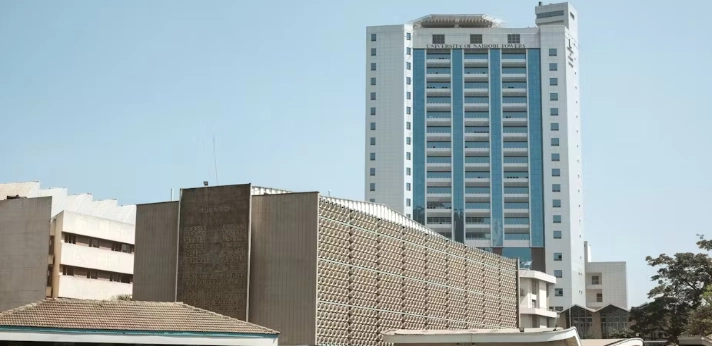
The University of Nairobi Students Association (UNSA), spearheaded by President Rocha Madzao, has issued a strong statement expressing deep concern over the ongoing lecturers’ strike, which has severely disrupted academic activities for the past 18 days. The strike has brought a standstill to the university, leaving students frustrated and uncertain about their educational progress.
In a press briefing, Madzao highlighted the grave implications of the strike, emphasizing its adverse effects on both the institution and its student body. “This extended disruption affects not only our institution but also the future of countless students who rely on timely and quality education to achieve their academic and professional goals,” said Madzao.
His remarks underscore the anxiety and dissatisfaction brewing among the university’s 40,000-strong student population, as they grapple with the challenges posed by the halted learning process.
The strike, initiated by lecturers demanding fair treatment and better working conditions, has seen widespread support from academic staff across public universities in Kenya.
However, the prolonged standoff is now being met with increasing concern from the student body, whose academic calendar and learning opportunities have been thrown into disarray.
UNSA, in its statement, acknowledged the legitimacy of the lecturers’ grievances, affirming their right to fair compensation and improved working conditions. “We respect the lecturers’ right to fair treatment and recognize the importance of their demands. We appreciate the dedication our lecturers bring to the university, contributing immensely to the reputation and quality of our institution,” the statement read.
Nevertheless, the association stressed the urgency of resolving the conflict swiftly, pointing out the detrimental effects on students’ academic progress. According to Madzao, the strike is jeopardizing the entire semester, creating widespread frustration among students who have already paid substantial fees for their education. “These same students have paid exorbitant fees to be schooled, and now, they lack even that,” he noted, highlighting the financial burden on students and their families amidst the disruption.
The UNSA president urged the government and the lecturers’ union to expedite negotiations and find a sustainable, amicable solution to the crisis. He emphasized the critical role of education in national development, warning that the prolonged disruption in universities could hinder the country’s growth and progress. “Education is a fundamental pillar of national development, and prolonged disruption in institutions of higher learning ultimately hampers the growth and progress of our society,” Madzao stated.
In a call for calm, the student association assured the university community that they are actively engaging with the administration to explore ways to mitigate the impact of the strike and recover the lost learning days. “We urge all students to remain calm as we continue to work with the university administration to explore effective ways to recover the lost learning days,” said UNSA.
UNSA reaffirmed its commitment to prioritizing the needs of students in any adjustments to the semester calendar, ensuring that the quality of education is not compromised. The association also pledged to keep both the students and the public informed of any new developments as they work toward a resolution.
As the strike enters its third week, the pressure mounts on all stakeholders to reach a settlement that addresses the lecturers’ demands while minimizing the negative impact on students’ educational pursuit. The outcome of these negotiations will be crucial in determining the academic future of thousands of students whose studies have been disrupted.
The University of Nairobi, one of Kenya’s premier institutions, stands at a critical juncture as it grapples with the fallout from the ongoing strike. The resolution of this standoff will not only affect the current semester but could also set a precedent for handling similar disputes in the future. For now, students, lecturers, and the university administration remain in a state of uncertainty, waiting for a breakthrough that could restore normalcy to one of the country’s most esteemed centers of higher learning.