



Teen mothers struggle with school re-entry, leaving their children vulnerable – Study by Zizi Afrique Foundation
A new study by the Zizi Afrique Foundation, in collaboration with the Ministry of Education and the National Gender and Equality Commission, has exposed the harsh realities adolescent mothers face when trying to return to school. Conducted in Samburu, Siaya, and Mombasa counties, the research highlights not only the challenges young mothers encounter but also the overlooked wellbeing of their children aged 0–3 years.
Despite Kenya’s school re-entry policy, which allows teenage mothers to resume their education, its implementation remains weak. The study found that stigma, financial hardship, and a lack of childcare facilities continue to push many young mothers out of school permanently. Even more concerning, many school administrators and communities remain unaware of the policy or are unwilling to enforce it, leaving adolescent mothers unsupported.
The study revealed alarmingly high adolescent pregnancy rates: 21 percent in Siaya, 51 percent in Samburu, and 17 percent in Mombasa, aligning with the Kenya Demographic Health Survey (2022). A headteacher from Samburu County reported that at least six girls drop out due to pregnancy each term, totaling about 20 annually in a single school.
Many of these young mothers experience severe stigma, discrimination, and isolation, with some resorting to unsafe abortions. Those who attempt to return to school often struggle with mental health issues, absenteeism, and the overwhelming demands of motherhood.
The study also found that financial hardship is a major barrier. Many young mothers come from low-income households and cannot afford school fees, childcare, or basic necessities. Teenage mothers with disabilities face even greater struggles, often being forced to drop out permanently.
While much attention has been given to adolescent mothers, the study is among the first to examine the impact on their children’s wellbeing.
Moreover the findings indicate that children of teenage mothers are at higher risk of malnutrition due to financial struggles and lack of knowledge on proper nutrition, poor early childhood development, as many young mothers lack time or resources for early stimulation and
limited healthcare access, including delayed antenatal care and low exclusive breastfeeding rates.
In Samburu, for instance, babies are often introduced to complementary foods too early due to their mothers’ need to return to school or work. Poor home environments and a lack of proper childcare further threaten these children’s health and development.
The study identified key challenges preventing teenage mothers from resuming their education:
Stigma and Discrimination – Many are shunned by peers, teachers, and even family members.
Lack of Awareness – Many schools and communities do not understand or support the re-entry policy.
Financial Constraints – Without financial aid, young mothers struggle to pay for fees, childcare, and personal needs.
Childcare Challenges – Few schools have daycare facilities, forcing young mothers to rely on elderly relatives or drop out.
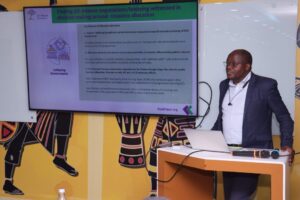 Teen mothers struggle with school re-entry, leaving their children vulnerable – Study by Zizi Afrique Foundation
Despite challenges, key factors enable adolescent mothers’ school re-entry, according to a Zizi Afrique study. Family support, especially from grandmothers, plays a crucial role. Some young mothers show strong determination to continue education. Additionally, government and NGO programs provide guidance, counseling, and financial aid, helping them stay in school.
The new study urges urgent action to support adolescent mothers’ school re-entry. Key recommendations include stronger policy enforcement, tracking frameworks, childcare facilities, community engagement, and improved healthcare programs. Without intervention, Kenya risks worsening poverty, gender inequality, and poor child health outcomes.
Speaking at the event, Maurice Mutisya, Director of Zizi Afrique Foundation, emphasized that education is key to breaking cycles of poverty and gender inequality.
“Despite high adolescent pregnancy rates, society still views these young mothers as a problem rather than individuals who need support. We must ensure they complete their education while also safeguarding the health and development of their children,” Mutisya said.
The findings have sparked urgent calls for intervention from the government, NGOs, and other stakeholders to ensure adolescent mothers are not left behind in their pursuit of education. Experts warn that without immediate action, Kenya risks perpetuating poverty, gender inequality, and poor child health outcomes for generations to come.