


Agriculture is and likely will be in the near future, the main economic resource of Africa, which depends to a large extent on the agricultural sector.
Nowadays this area is facing numerous difficulties, the main ones being the climate changes, the variability of the prices of agricultural goods, and the fragmented supply chains.
In this context, Stanbic Bank is setting itself to be the energizing point of agri-business transformation through risk control, innovative financing, and infrastructure renovations.
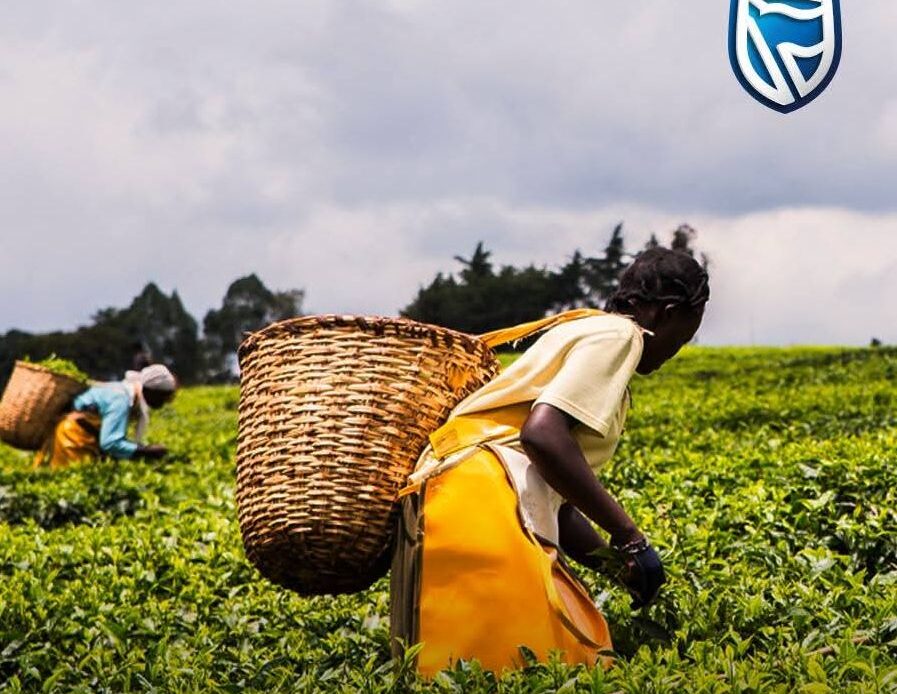
In Kenya, for example, Stanbic has come up with the insurance policy inclusive of crop, livestock and tools to safeguard tea farmers as well as traders in the cases of lack of rains, invasion of pests and volatility of the market.
Trade finance tools like letters of credit and invoice discounting also stabilize the flow of money in agri-business and thus lower the default risks.
Through the dominant Buganda Kingdom, ‘Uganda’ has got the exact kind of interventions we were talking about. Freshly started agricultural stores supplying quality inputs to farmers through embedded risk assessments to ensure their investments have been launched in 2025.
Furthermore, Stanbic Head of Ugandan Agriculture, Emmanuel Kisakye Negobye, pointed out the initiative’s dual objective and benefits of linking ‘Community Pitso’ and the supply chain resilience having presented it in a speech.
Stanbic is also among the top three financiers of the agricultural sector in Ghana and offers protective tools for farmers of cocoa and grains who invest in foreign currencies and also in the decline of the prices of the products.
Most of these products go hand in hand with climate-resilient insurance which acts as a buffer against climate change and the like and has been quite applicable in the case of the floods brought by El Niño in 2024.
Nevertheless, Stanbic’s strategy is more than just risk management. The bank has been putting a lot of money in infrastructure, be it physical or digital. For example, in Uganda, it later on financed mechanized equipment and irrigation installations worth UGX 450 billion ($120 million) in 2024. In contrast, their investment in solar-powered greenhouses in Ghana has led the farmers to experience a 30% cut in the cost of the water-scarce businesses of the region.
The value of digital platforms like mobile banking apps in Kenya and supply-chain finance instruments in Nigeria and Zambia is that they can bring about the reshaping of the supply chain that can now be directly linked to the farmers and food markets without any intermediaries.
These actions can be further expanded through alliances. Through the alliance with the Buganda Kingdom, community-driven infrastructure is being rooted in the Ugandan community. Similarly, Stanbic is collaborating with stakeholders in Ghana to lobby for the construction of better roads and storage facilities in the rural areas.
We also find that the bank, while planning to double agribusiness lending to $1 billion in 2025, is keen on women- and youth-led ventures having that as a top priority.