


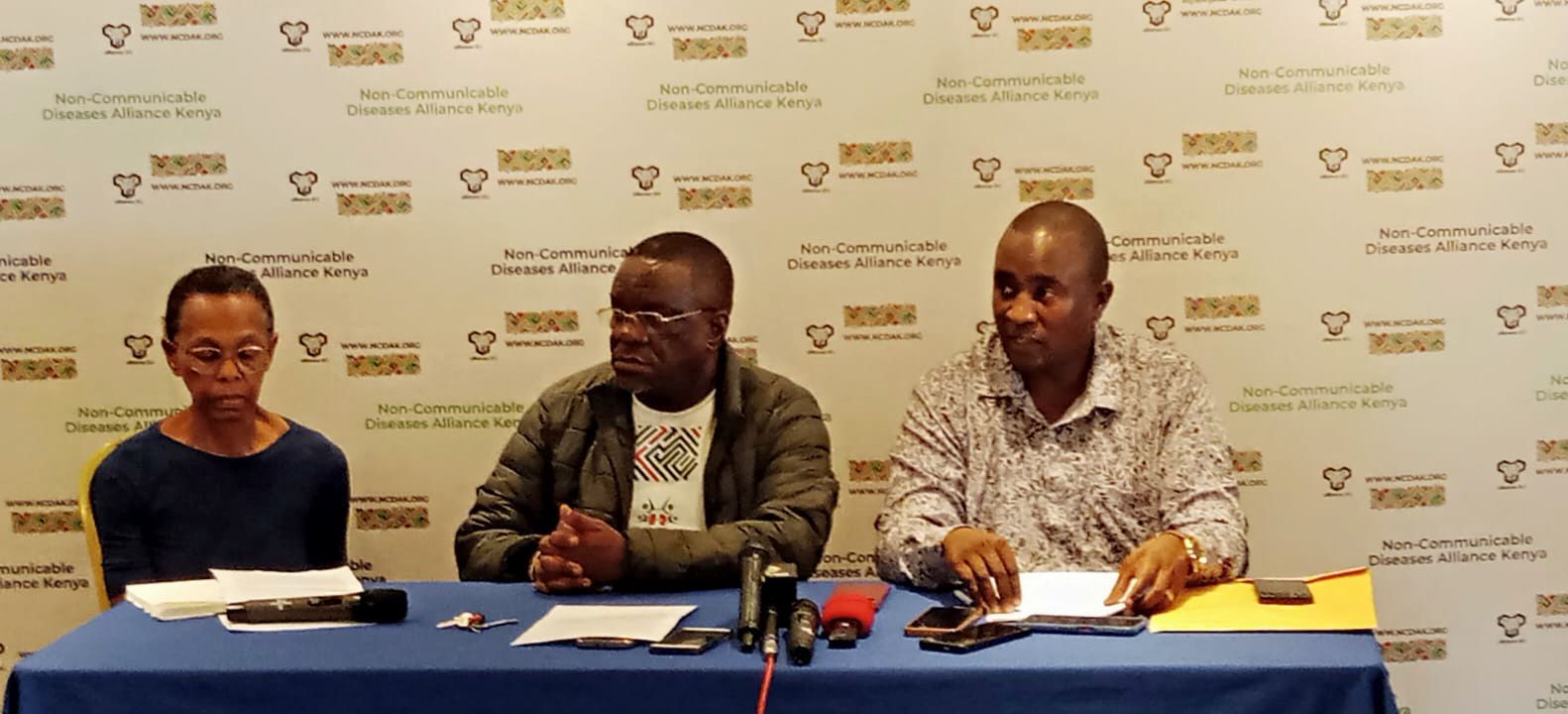
The Social Health Authority (SHA) and Social Health Insurance Fund (SHIF) in Kenya have encountered significant challenges in their initial rollout, leaving patients with non-communicable diseases (NCDs) struggling to access essential healthcare.
A survey conducted by the Caucus of Patient-Led Organizations of Non-Communicable Diseases (NCDs) reveals major systemic issues and limited service coverage that are affecting thousands of patients across the country.
The survey, conducted between October 24 and October 25, gathered responses from public, private, and mission hospitals in Nairobi, Kiambu, Meru, and Bomet Counties. Its findings spotlight delays, limited coverage, and systemic inefficiencies, prompting urgent calls for government intervention.
Key findings from the survey was delays and Systemic Inefficiencies in Public Hospitals. Hospitals such as Kenyatta National Hospital and Kenyatta University Referral Hospital are reportedly plagued by frequent system delays, leaving patients waiting for hours to receive critical services like diagnostic imaging and specialized procedures. Patients are further impacted by technical failures and “system hangs” that add to their distress.
Moreover limited SHA coverage in private facilities hinders patients to access services. Private hospitals, including Nairobi Hospital and Ruaraka Uhai Neema Hospital, have restricted SHIF coverage primarily to civil servants in certain job groups.
This policy has left many NCD patients without coverage, including cancer patients and organ transplant recipients who depend on specialized and costly care. Previously, these services were covered by the National Hospital Insurance Fund (NHIF), but SHA’s selective coverage has forced many to pay out-of-pocket.
Gaps in specialized care access at mission and rural hospitals was another issue raised . This hospitals such as Tenwek in Bomet reported no SHIF coverage, leaving rural patients without access to vital specialized care. Meanwhile, public hospitals like Mama Lucy Kibaki and Mbagathi are unable to perform advanced procedures such as cardiac surgeries, further limiting life-saving interventions for NCD patients.
General Challenges Across Healthcare Facilities
Out-of-Pocket Expenses for Basic Services
Patients with chronic conditions now face new financial burdens, as outpatient and medication refill services previously covered under NHIF are now largely out-of-pocket expenses. This shift has increased costs for patients, particularly those managing long-term conditions.
Lack of Clarity and Unpaid NHIF Debts
The SHA benefit structure remains unclear, leading to reluctance among healthcare providers to offer services due to concerns about reimbursement delays. Outstanding NHIF debts have further deterred providers, creating additional barriers for NCD patients in need of care.
No Overseas Treatment Coverage
SHA has also suspended coverage for overseas treatments, affecting patients who require specialized procedures not available in Kenya. This has left many patients without critical medical options.
Limited Public Awareness of SHA Benefits
The survey highlighted that many patients are unaware of SHA’s benefit structure, premium requirements, and eligibility guidelines. This information gap has left patients unprepared for the SHA’s changes and financial demands.
Evans M. Majau, Chair of the Caucus of Patient-Led Organizations of NCDs, issued a strong appeal to the Ministry of Health and SHA management to address the rollout’s shortcomings. “The survey findings reveal critical gaps in SHA’s ability to serve Kenyan patients effectively, especially those facing chronic and complex conditions like cancer, diabetes, and cardiovascular diseases. The SHA rollout must prioritize transparency, access to specialized care, and patient inclusion to fulfill the promise of universal health coverage in Kenya.”
The caucus has made a series of recommendations to the government, urging SHA and the Ministry of Health to take immediate corrective actions:
Resume Overseas Treatment Coverage: To support patients needing specialized care unavailable locally.
Clarify SHA Benefits: Publicize the structure to restore public trust.
Address System Failures: Improve registration, preauthorization, and payment processes to reduce patient waiting times.
Settle Outstanding NHIF Debts: Enable providers to accept SHA patients confidently, easing financial strains on patients.
Launch Awareness Campaigns: Inform the public about SHA benefits and requirements to ensure patients understand their coverage.
Engage Patient Groups: Foster patient-centered solutions by including organizations in SHA implementation discussions.
The SHA was intended to expand universal health coverage in Kenya, but its troubled start has left many Kenyans—especially those with NCDs—without access to timely and affordable care. Patient advocates are calling for immediate action to address these issues, aiming for a healthcare system that serves the needs of all Kenyans effectively and equitably.
The Ministry of Health has yet to respond to the caucus’s recommendations, but patients and healthcare providers across the country are hopeful for swiftaction to ensure the SHA lives up to its mission.