


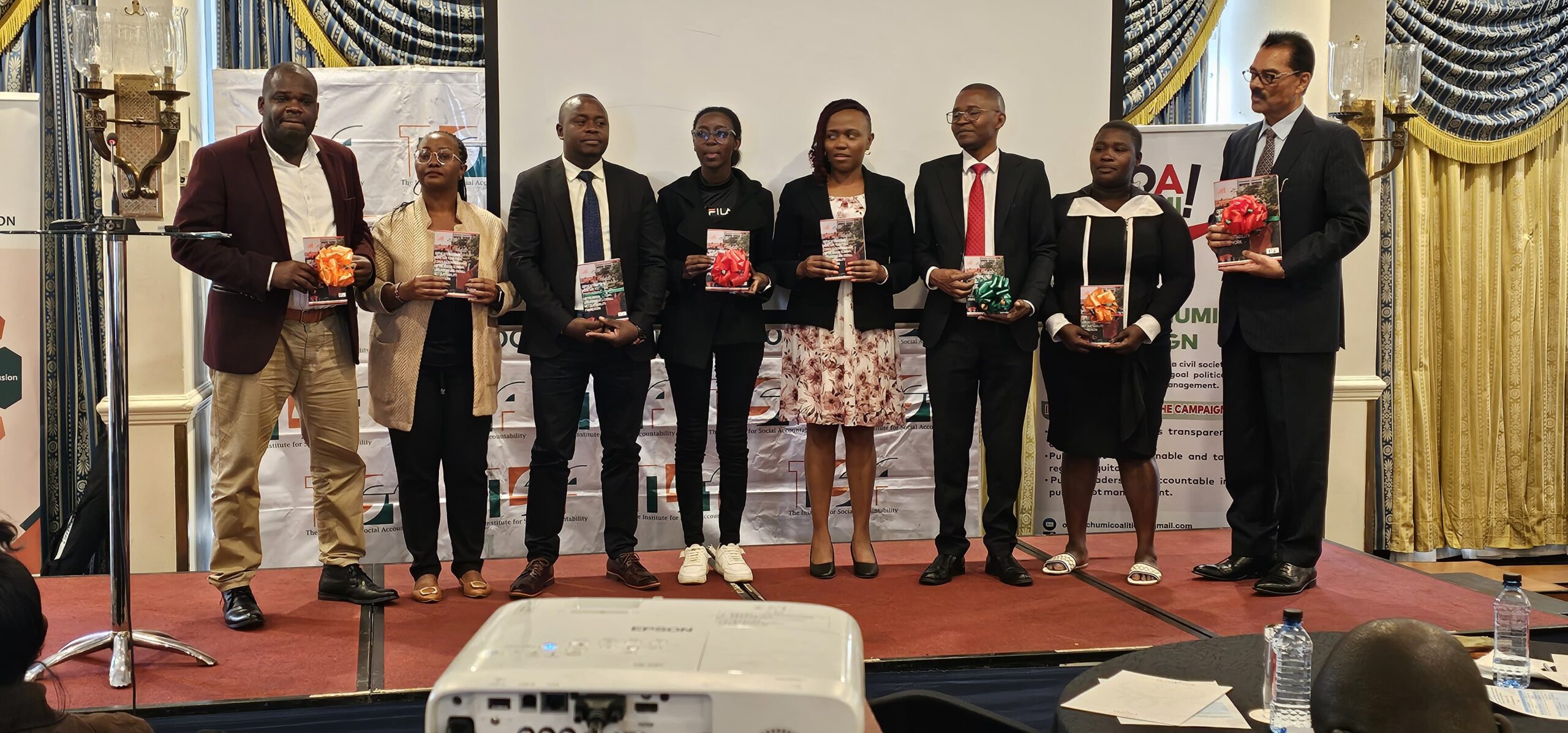
The Institute for Social Accountability (TISA), in its role as the Convenor of the Okoa Uchumi Coalition, has issued a pressing report highlighting Kenya’s escalating public debt crisis. The country’s reliance on the International Monetary Fund (IMF) for loan redemption has grown significantly, with IMF loans increasing from Ksh. 49.2 billion in June 2019 to Ksh. 421.5 billion by December 2023. This growing dependency demands immediate and concerted action.
The report, focused on Kenya’s involvement in the IMF Fiscal Consolidation programme, identifies systemic issues such as poor governance, theft, and widespread corruption as major hurdles. These challenges are often unaddressed by IMF’s prior actions and have exacerbated difficulties for local manufacturers. The resulting reduced production, stunted economic growth, and decreased incomes in both formal and informal sectors are further strained by heavy taxation policies.
Emphasizing Julius Nyerere’s wisdom that empowering people to create wealth is the best way to fight poverty, the report calls for fostering local industries and ensuring resources are directed towards sustainable development rather than being lost to corruption.
IMF’s recommendations to boost revenue through increased taxes and privatization of essential services like health and education have had profound impacts. The rising cost of public services has made them less accessible, posing significant concerns for the Kenyan populace.
Kwame Nkrumah’s words resonate deeply with Kenya’s current predicament, particularly among the youth. His call for courage in pursuing excellence and greatness underscores the need for bold reforms and ethical governance that prioritizes citizens’ welfare.
The report call for strengthening just financing and governance reforms. It underscores the necessity of reforming fiscal policies, addressing odious debt, and reworking economic models to foster domestic growth. Drawing inspiration from Thomas Sankara, it argues against adhering to oppressive debt repayment formulas that jeopardize access to essential services like healthcare.
Highlighting the pivotal moment in Kenya’s history, where citizens, especially the younger generation, are demanding accountability and good governance, the report stresses the importance of this study in shaping future policies.

In April 2021, the IMF initiated a 38-month loan agreement with Kenya, totaling $2.34 billion under the Extended Credit Facility (ECF) and Extended Fund Facility (EFF). This programme, which has been reviewed six times, requires the Kenyan government to implement various fiscal consolidations, including increased taxes, reduced subsidies, cuts in government spending, and privatization of state-owned enterprises. While these measures aim to address debt vulnerabilities and achieve macroeconomic stability, they come with significant short-term costs.
The report provides a comprehensive assessment of the IMF fiscal consolidation programme in Kenya, focusing on economic and social impacts and examining the accountability and transparency frameworks governing their implementation. Key findings reveal that despite positive revenue growth, the government has consistently missed its revenue targets. GDP growth has not translated into increased household disposable income or a more affordable cost of living due to increased taxes on essential goods and services.
The fiscal policies have resulted in significant budget cuts in the health sector, reducing spending on key health programmes. Despite increased education spending, critical programmes like Free Primary Education have seen reduced funding, affecting school-going children, particularly girls.
The report identifies a significant accountability gap, with the IMF primarily engaging with the National Treasury and the Central Bank of Kenya, bypassing key institutions like Parliament. This erosion of democratic accountability undermines Kenya’s sovereignty and its ability to create policies centered on citizens’ interests.
The study makes key recommendations for both the Kenyan government and the IMF. It advises the government to phase budget cuts and tax increases to mitigate economic hardships. It also calls for a comprehensive audit of IMF loans to assess their effectiveness. For the IMF, the report recommends prescribing fiscal policies that support economic growth with minimal short-term costs and ensuring all structural proposals undergo extensive public participation.
As Kenya navigates this critical juncture, the call for ethical leadership and robust governance reforms has never been more urgent.