


Kenya’s economy has expected to grow between 5.2 and 5.3 percent in 2025. The growth is expected to be led by significant contributions of agriculture, services, construction, mining, and ICT.
Unfortunately, the rebound is heavily challenged by numerous obstacles and risks, which among other things, threaten to weaken the good-news scenarios, according to economists.
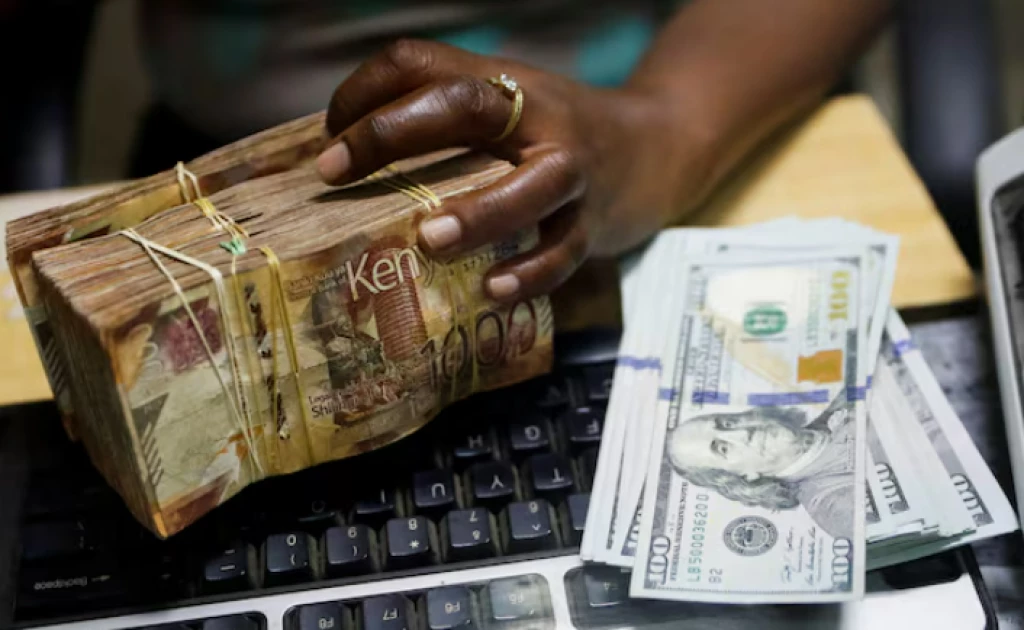
Essentially, macroeconomic performance can be judged by the levels of inflation and exchange rates. The inflation rate lowered to 3.8 per cent in May 2025 from 9.6 per cent in October 2022. The Kenyan shilling also strengthened to around $129.3 per USD.
Global Factors
One of the factors that significantly affect the Kenyan economy is the various restrictions on global trade and the unstable market situations. Theoretically, a rise in the unpredictability of the international markets will inevitably lower export demands, foreign investments, and the inflow of remittances – the main contributors to economic stability.
Climate-Related Risks
Extreme weather events continue to threaten Kenya’s largely agriculture-dependent economy. Although 2025 benefited from favorable conditions, the sector remains vulnerable to droughts, floods, and other climate shocks that could disrupt production and inflation stability.
Domestic Economic Headwinds
Some sectors are already showing signs of strain. Private sector activity had slowed down as reported in May 2025. Most of the new jobs (90 per cent) are generated by the informal sector, which is heavily dependent on small-scale agriculture and has difficulties in obtaining finance, increasing productivity, and establishing market linkages.
Policy and Support Measures
The government’s initiatives such as the Bottom-Up Economic Transformation Agenda (BETA), the Hustler Fund for affordable loans, and farm input subsidies to mitigate risks and support growth. International support, including a yen-denominated loan from Japan, is also intended to bolster infrastructure and economic expansion.
According to expert opinions, Kenya’s growth path is still fragile and can be influenced by both domestic and international shocks. Kenya needs to keep up its vigilance and be selective with its interventions if it is to be able to hold its ground and ward off the diseases of the setback.
Experts stress that the situation can get better but only if the risks involved are handled prudently and this includes all aspects associated with global volatility and climate issues.