



In a pivotal assembly convened by The Institute for Social Accountability (TISA), leaders and citizens gathered to address Kenya’s escalating public debt and rampant corruption. The event, led by Dianna Gichengo, Executive Director of TISA, underscored the dire economic and governance challenges facing the nation.
Gichengo opened the session with a passionate call for accountability, linking the assembly to the Gen Z movement’s fight for transparency in resource management. She highlighted the severe economic strains Kenya faces, including a staggering public debt of 10.6 trillion shillings and debt servicing costs of 1.85 trillion shillings as of January 2024.
Gichengo criticized the current leadership for its unresponsiveness to citizen demands, citing unconstitutional practices such as the covert establishment of a debt audit committee and controversial finance bill implementations.
“Despite the tragic loss of 60 Gen Z activists to extrajudicial killings and the disappearance of another 60, their sacrifice has not been in vain,” Gichengo declared, emphasizing the necessity for a constitutional economic reset. She urged for a shift from corruption and mismanagement to a focus on virtuous governance and economic prosperity.
Sheila Masinde, Executive Director of Transparency International (TI), echoed Gichengo’s concerns, pointing out the continued corruption within Kenya’s political system. She noted the troubling trend of appointing individuals under investigation for corruption, a practice contrary to advice from the Ethics and Anti-Corruption Commission (EACC). Masinde highlighted the failure of legislative and institutional efforts to combat corruption, which continues to undermine service delivery in vital sectors like health and education.
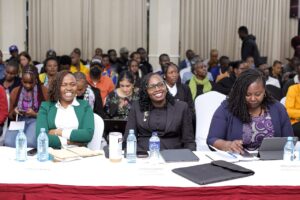
“The high public debt and cost of living are exacerbated by corruption, with Kenya losing nearly 6 billion shillings annually. The lack of political will and ongoing corruption scandals have placed Kenya on an increased global monitoring list,” Masinde said, stressing the urgent need for robust anti-corruption measures.
Faith Odhiambo President of the Law Society of Kenya (LSK) emphasized the critical role of legal frameworks in managing public debt and ensuring transparency. She criticized the rejection of the debt audit committee due to constitutional concerns and called for a renewed focus on accountability mechanisms. Odhiambo argued that without effective measures, public trust and governance will continue to deteriorate.
Participants including Okia Omtatah and Wanjiru Gikonyo also contributed to the discourse. Okia criticized the government’s failure to uphold the rule of law and urged a reorganization to address systemic corruption.
Wanjiru advocated for a comprehensive approach involving all sectors of society to tackle corruption and improve governance, highlighting the need for social audits and greater constitutional adherence.
The assembly call for unified action and structural reforms to address Kenya’s pressing issues of debt and corruption. The diverse contributions underscored a collective determination to revitalize governance and restore public trust in Kenya’s institutions.