


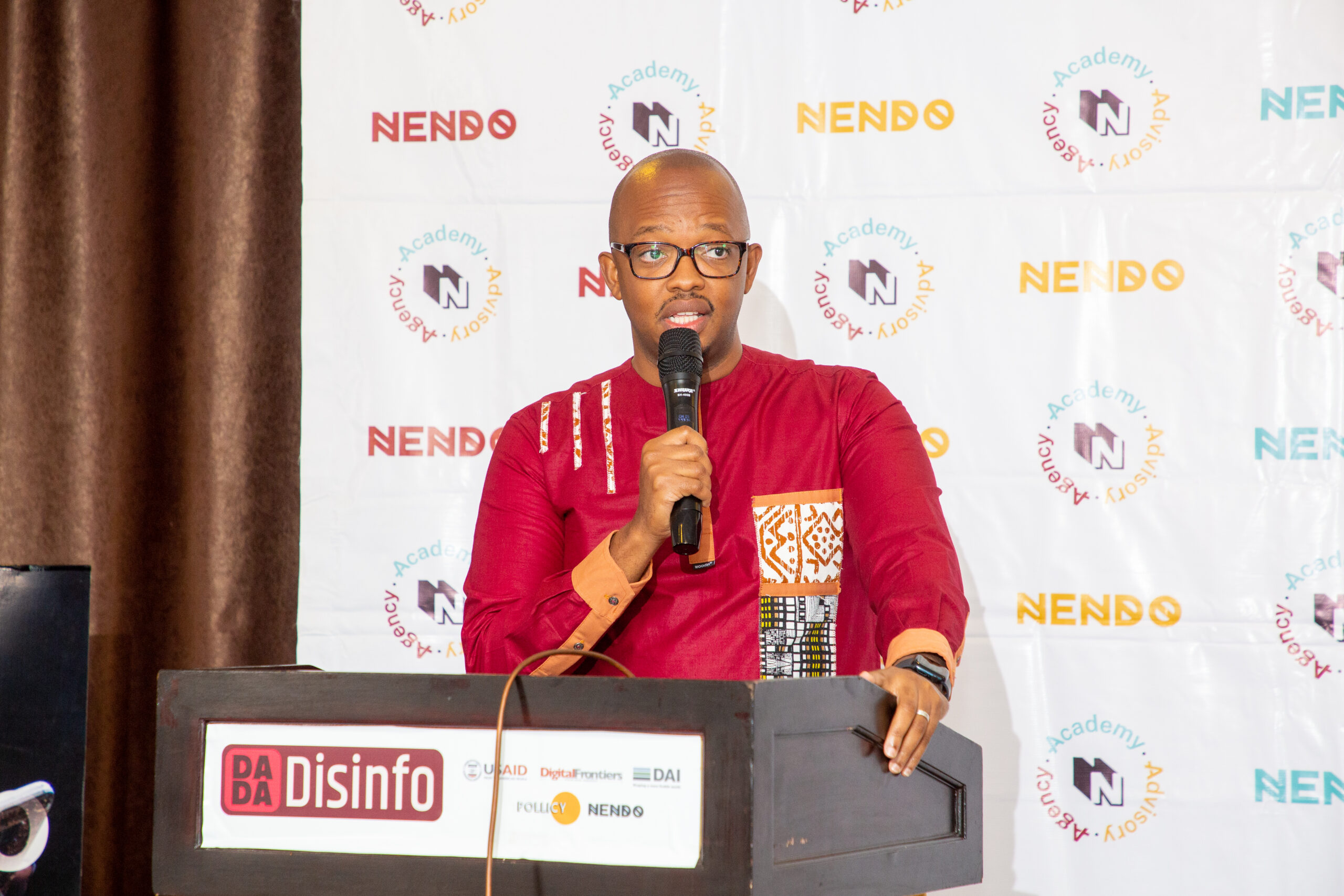
A new report titled “Dada Disinfo: A Report on Technology-Facilitated Gender-Based Violence in Kenya” sheds light on the severe online abuse faced by women content creators in Kenya. Funded by USAID through its Digital Frontiers Program and administered by the global development firm DAI, this report by digital research and marketing firm Nendo highlights the pervasive and harmful impact of technology-facilitated gender-based violence (TFGBV).
The study reveals alarming statistics, with 58 percent of women content creators experiencing online harassment, 44 percent facing cyberstalking, 42percent subjected to hate speech, and 28 percent encountering impersonation. Other prevalent forms of abuse include cyberbullying, doxxing, and the non-consensual sharing of intimate images, often referred to as revenge porn.
A significant finding of the report is that the majority of online violence perpetrators are unknown online strangers, accounting for 72percent of reported cases. However, threats also come from known individuals such as ex-intimate partners, friends, and colleagues.
The impact of TFGBV on victims is profound, causing emotional and psychological harm that leads to decreased public engagement, diminished professional opportunities, and severe mental health issues, including anxiety, depression, and post-traumatic stress disorder (PTSD). The report emphasizes that these challenges significantly affect women’s mental health, safety, and professional opportunities.
The study also provides insights into platform safety, with content creators perceiving Instagram and TikTok as relatively safer, while Twitter, Facebook, and YouTube are seen as platforms with higher levels of TFGBV.
USAID’s Acting Director of the Office of Democratic Governance, Peace, and Security, Jeffrey Szuchman, emphasized the importance of promoting gender equality. “At the end of the day, we all want the same thing: a Kenya where everyone, regardless of gender, can participate freely and safely in our digital spaces. The work won’t be easy, but it is so necessary. If we work together I have no doubt we can make it happen.”
Mark Kaigwa, Founder and CEO at Nendo and Team Leader at Dada Disinfo, highlighted the urgent need for action. “Online gender-based violence is a pressing issue that demands immediate attention. Our report highlights the urgent need for platforms, policymakers, and society at large to take action to ensure the safety of women online.”
Irene Mwendwa, Executive Director at Pollicy, which partnered with Nendo on the report, underscored the challenges in tackling TFGBV. She pointed out the limitations created by the increased commercialization of APIs, which hampers African-based interventions and content moderation, making it difficult to combat gendered disinformation and hate speech in Kenya.
The report proposes several key measures to address TFGBV. These include enhancing the legal framework with stronger measures and rigorous enforcement, launching educational campaigns to raise awareness and educate the public, ensuring social media platforms enforce stricter policies, and developing comprehensive support systems for victims.
Dada Disinfo conducted extensive research, including analyzing over 50,000 tweets focused on the online abuse of 143 content creators in 2023 and 2024, surveying social media users from 16 Kenyan cities, and conducting in-depth interviews and workshops with content creators. The findings underscore the widespread nature of TFGBV and its significant impact on women’s lives.
Through advanced analytics and collaborative efforts, Dada Disinfo aims to highlight the challenges of TFGBV and advocate for safer digital environments for women. The program reflects a commitment to supporting and protecting women content creators, striving to create a safer online space where they can thrive without fear of abuse.