


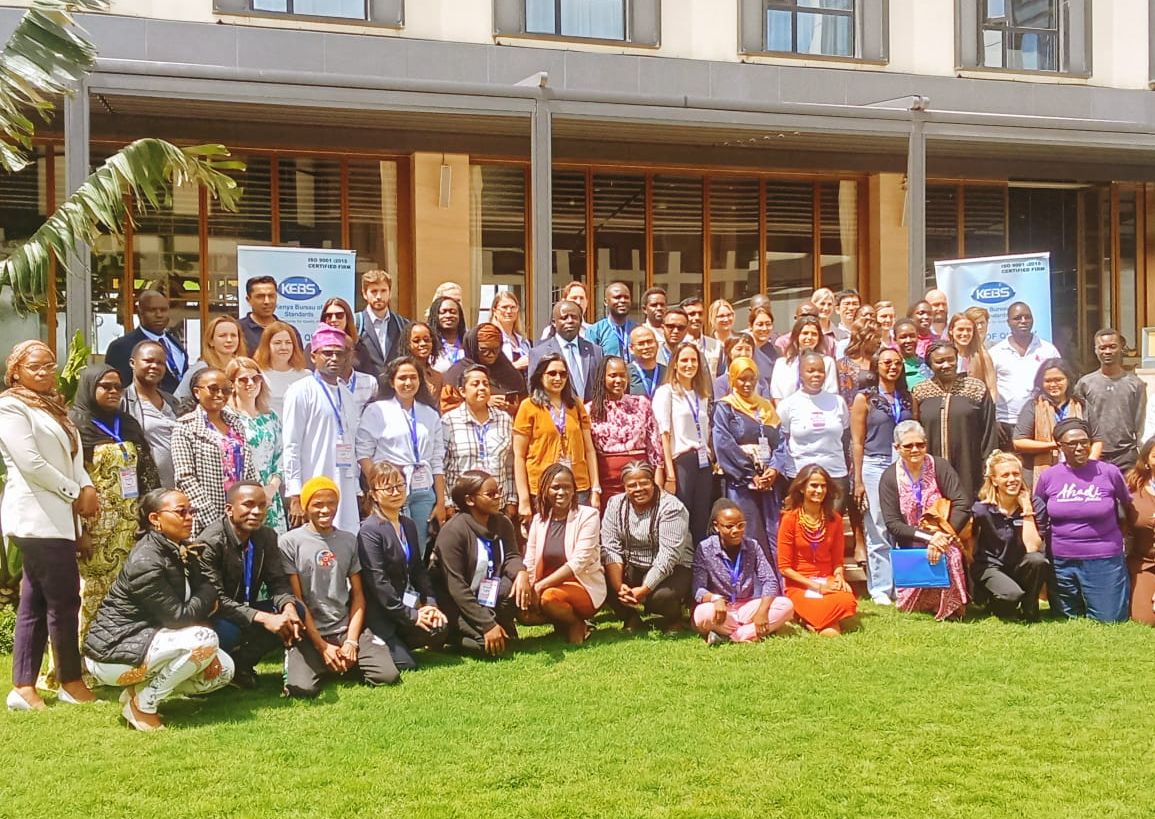
The Kenya Bureau of Standards (KEBS), in collaboration with the Swedish Institute for Standards, is calling for the urgent standardization and regulation of menstrual health products in Kenya. This push comes amid rising concerns over the safety of some disposable sanitary products, with studies revealing high levels of lead content.
In a stakeholders meeting held in Nairobi, officials emphasized the need to enforce quality standards for both disposable and reusable menstrual products, citing public health risks and the critical role menstrual hygiene plays in the education and well-being of millions of girls.
“Research by Columbia University found high lead content in some disposable products,” said Zachariah Lukorito, KEBS Director for Standards Development. “This is why we are prioritizing awareness and implementation of standards to ensure safety, quality, and accessibility of menstrual health products.”
Lukorito revealed that approximately 80% of Kenya’s menstrual product manufacturers produce reusable pads, mostly from the micro and small enterprise sector. “This is a growing area with huge potential, and we are working to support these enterprises through national certification standards that open doors to the formal market,” he said.
Standards for both disposable and reusable products have already been developed through national technical committees, and similar efforts are ongoing at the regional level to harmonize benchmarks across East Africa. The standards cover critical elements such as absorbency and safety testing.
The need for reliable and affordable menstrual products is urgent. According to KEBS, over 1.8 million school-going girls in Kenya lack access to menstrual products, leading to an average loss of four school days per month. In the 2023/2024 financial year, the Kenyan government allocated KSh 940 million to provide free sanitary towels in public schools, but this only covered 22% of the demand.
With the demand for reusable menstrual products rising, local manufacturers are being encouraged to scale up production and invest in menstrual health education. One such player is Ahadi Pads, a local social enterprise founded by Beth Chebs Otuga. The organization not only produces reusable pads but also runs outreach and training programs in menstrual hygiene management and pad-making.
“Ahadi Pads is about mitigating period poverty,” said Otuga. “We see girls missing school and even engaging in transactional sex just to afford pads. That’s why we train women to make pads — for themselves or for income — and we also educate young girls on menstrual health.”
The stakeholders’ forum concluded with a joint call for policy reforms that promote access to safe, eco-friendly, and affordable menstrual products, while enhancing support for small-scale manufacturers. KEBS and its Swedish counterparts pledged continued collaboration in developing and enforcing standards to protect users and promote menstrual health equity in Kenya and the region.