


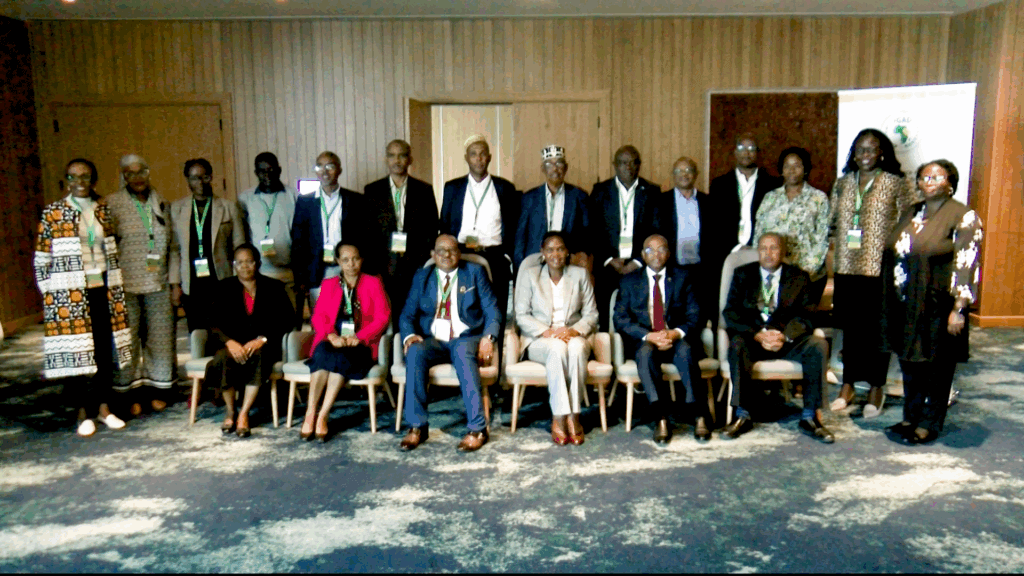
A three-day experts’ meeting on the Intergovernmental Authority on Development (IGAD)’s Regional Agriculture Investment Plan (RAIP) is currently underway in Nairobi, with stakeholders pushing for renewed strategies to address food insecurity and strengthen agricultural investment across the Horn of Africa.
The meeting brings together senior government officials, agricultural experts, and development partners from IGAD member states to validate the End-Term Review Report of the RAIP 2016–2020 and inform the next Regional Agri-Food Systems Investment Plan (RASIP).
The deliberations also revisit the Kampala Declaration on Agriculture and Food Security, with experts calling for a comprehensive rethink of the region’s food systems in the face of mounting climate, economic, and geopolitical challenges.
“The Kampala Declaration laid a strong foundation, but we must now realign our strategies to today’s realities,” said Dr. Senait Regassa, Coordinator of the IGAD Food Systems Resilience Program. “Resilience in agriculture goes beyond production—it’s about equity, sustainability, and cross-border collaboration.”
She urged IGAD member states to ramp up investment in climate-smart agriculture, enhance regional trade integration, and empower smallholder farmers, especially women and youth.
Dr. Rose Kitur, Director of NEPAD Programmes, emphasized the need for stronger political will and financial commitments, saying: “Our people cannot eat plans—they need results. It is time to translate policy into budget-backed actions.”
Participants also discussed the key implementation gaps from the 2016–2020 RAIP period, which include inadequate financing, data limitations, and inconsistent policy execution across member states.
Experts agreed that the new RASIP must prioritize intra-regional trade, value chain development, and climate resilience, while aligning with the African Union’s Comprehensive Africa Agriculture Development Programme (CAADP) and global sustainable development targets.
IGAD is expected to release a comprehensive set of recommendations from the meeting, which concludes on June 25, to guide the next phase of agricultural investment in the region.
The outcome will serve as a blueprint for transforming agriculture into a resilient, inclusive, and competitive sector capable of ensuring food security and driving regional development.