


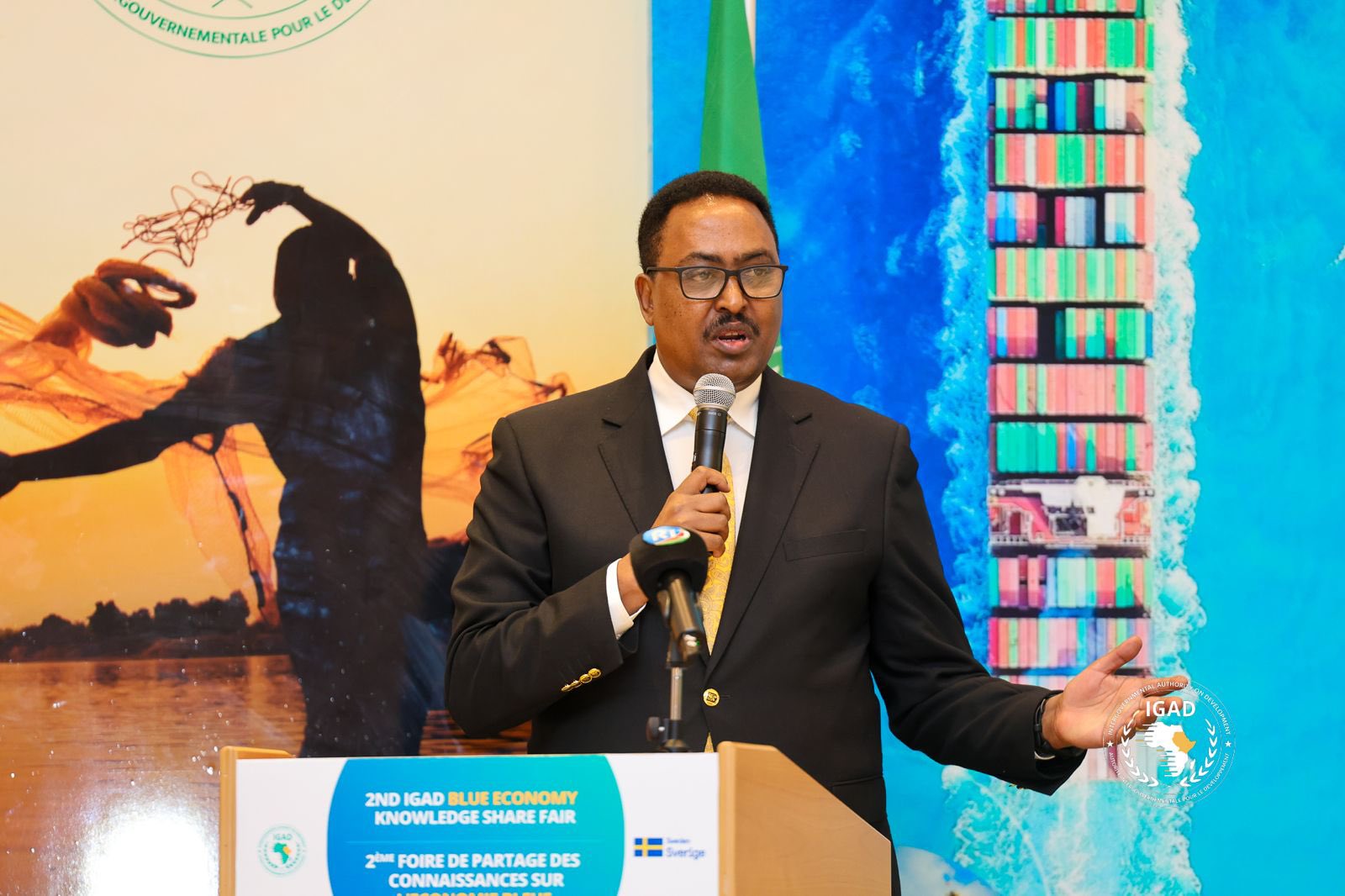
On the anniversary of the ongoing conflict in Sudan, Dr. Workneh Gebeyehu, the Executive Secretary of the Intergovernmental Authority on Development (IGAD), has made a heartfelt and urgent call for peace, warning that the crisis has reached a catastrophic scale and demanding a unified international response.
In a statement posted on X, formerly Twitter, Dr. Gebeyehu expressed grave concern over the unrelenting violence and humanitarian crisis gripping Sudan. He emphasized the need for coordinated peace efforts, warning that fragmented responses have only deepened the suffering of millions caught in the crossfire.
“In this decisive moment, the peace efforts cannot afford to be fragmented; they need to be united on all fronts,” Dr. Gebeyehu said. “While different interests and needs may conflict, the voices and needs of the Sudanese people must come first.”
Dr. Gebeyehu paid tribute to those affected by the conflict, extending condolences to families of the victims and assuring Sudanese civilians that their desire for peace remains central to IGAD’s mission.
“To the people of Sudan: Your aspiration for peace remains our guiding principle. We will not turn away, and we will not rest until peace is restored to your land,” he affirmed.
The Sudanese conflict, now more than a year old, pits the Sudanese Armed Forces (SAF) against the paramilitary Rapid Support Forces (RSF). Originating from power struggles following the October 2021 military coup, the conflict has escalated into a devastating civil war, displacing millions and pushing the country toward the brink of collapse.
According to United Nations data, over 5 million people have been forced to flee their homes, with thousands killed and many more injured. The conflict has triggered acute shortages of food, clean water, and medical supplies, as humanitarian access remains severely restricted.
In areas like Darfur, long plagued by ethnic tensions and historical grievances, the violence has taken on a more brutal character, with reports of mass killings, sexual violence, and the systematic burning of villages. Human rights organizations have sounded the alarm over potential war crimes and crimes against humanity.
Dr. Gebeyehu called on the international community to act decisively: “This is not merely a political crisis—it is a humanitarian emergency. The world must stand in solidarity with the people of Sudan and prioritize their rights and needs in all peace negotiations and rebuilding efforts.”
Efforts to broker peace through the African Union and the United Nations have so far yielded limited progress, hampered by ongoing clashes and lack of trust between the warring factions. Dr. Gebeyehu stressed the urgent need for a credible, inclusive peace process rooted in the aspirations of the Sudanese people.
As Sudan teeters on the edge, IGAD’s top diplomat reminded the world of the cost of inaction: “Let us remember that silence is not neutrality—it is complicity. We must raise our voices, amplify the call for peace, and work together to restore hope for Sudan.”
With the humanitarian crisis deepening and peace prospects uncertain, the path forward hinges on collective international resolve, political will, and above all, the unwavering commitment to center the Sudanese people in the search for lasting peace.