

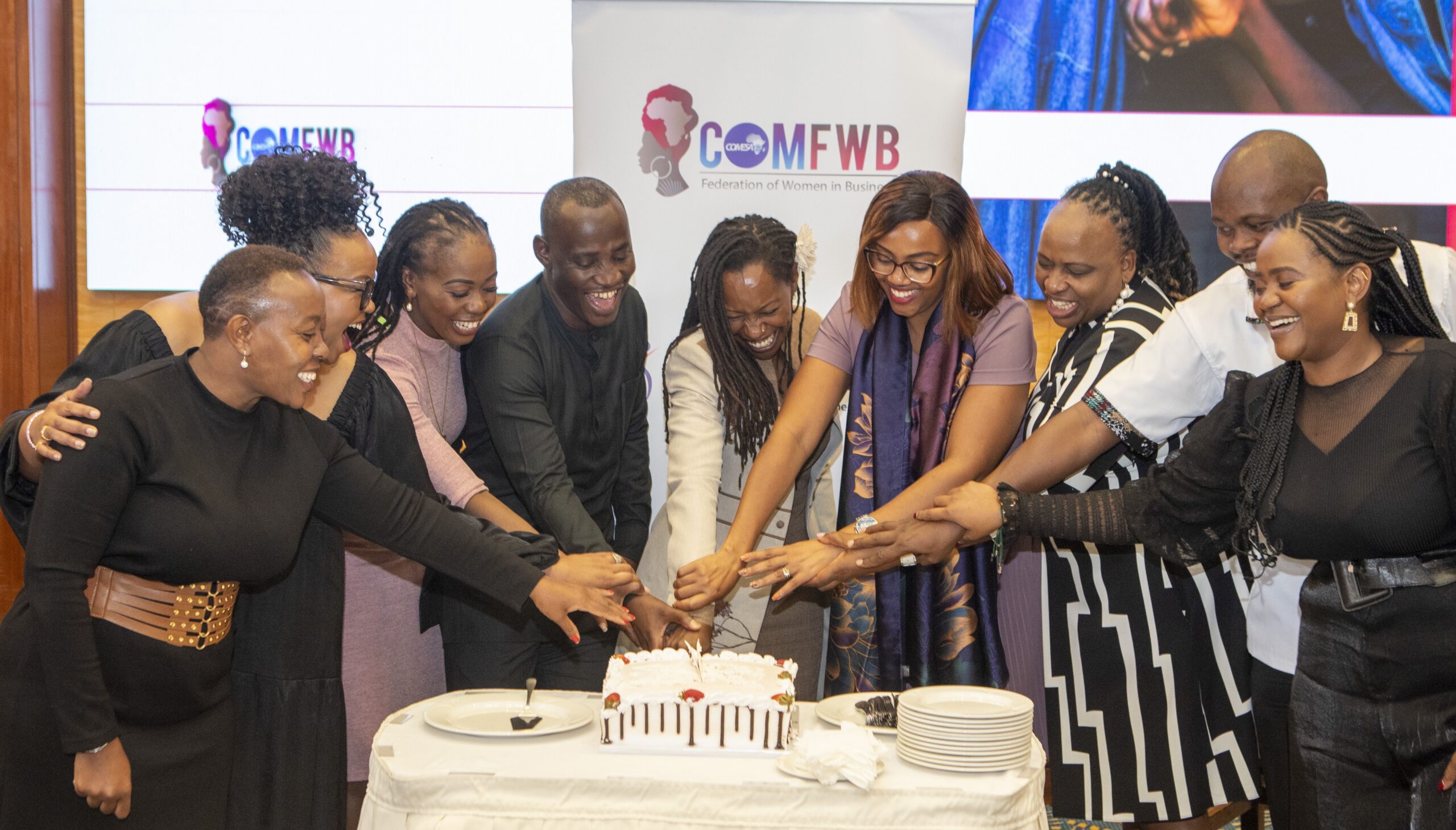
The Federation of Women Entrepreneurs in Kenya (FOWEK) held a forum to commemorate its first anniversary, highlighting its significant strides in empowering women-led businesses and promoting economic growth.
The event, which took place on Friday, gathered key stakeholders to discuss ongoing initiatives aimed at supporting small business startups driven by women.
Speaking at the event, FOWEK President and COMESA (Common Market for Eastern and Southern Africa) Kenyan Chapter leader, Vicky Karuga, emphasized the importance of government intervention in trade policies and taxation reforms to support women entrepreneurs.
“We are advocating for women in business and actively seeking market linkages within the COMESA region. We are proud of the progress Kenyan women have made in business and are working to connect them with opportunities across different countries,” Karuga said.
Karuga highlighted FOWEK’s collaborative efforts with countries like Malawi and Zimbabwe, facilitated by the Ministry of Investment, Trade, and Industry. The organization educates women on the benefits of COMESA membership, aiming to simplify cross-border trade and foster international business partnerships. However, she pointed out that women entrepreneurs continue to face significant barriers, including policy discrepancies, safety concerns in cross-border trade, and issues related to property ownership.
“One of our key solutions is engaging with governments on policy formulation and advocating for financial products tailored to women-owned businesses,” she added.
FOWEK is partnering with organizations such as TDB Bank to create finance-friendly and insurance products specifically for women entrepreneurs. Karuga stressed the need for associations and private sector participation in developing these financial solutions, citing the federation’s focus on improving the economic and financial landscape for women-led enterprises.
“In building resilience among women entrepreneurs, we are addressing tax compliance, which has been identified as a major challenge. We are conducting grassroots training sessions in collaboration with the Kenya Revenue Authority to increase tax awareness,” Karuga explained.
The forum also highlighted FOWEK’s grassroots initiatives, such as incubation programs aimed at nurturing local women entrepreneurs. Karuga shared an example from Kisii County, where women are trained in value addition for banana-based products, producing items like banana yogurt and crisps.
“Through capacity building and the use of digital tools, we are forming forums where women can meet, share ideas, trade, and network. Women entrepreneurs are incredibly innovative, and we are proud to support their growth,” she noted.
Catherine Githinji, Deputy Director of the State Department for Trade and COMESA representative, reiterated the government’s commitment to uplifting women-led enterprises. She underscored the importance of Kenya’s leadership role in COMESA, which will offer new opportunities for Kenyan women in business over the next three years.
“Kenya’s leadership in COMESA will ensure that FOWEK members benefit from regional trade initiatives. The government has already taken steps to eliminate non-tariff barriers, facilitating smoother trade across member countries,” Githinji stated.
She also highlighted ongoing COMESA programs, including those focused on value chains, the blue economy, and the digital economy, which aim to empower women entrepreneurs. Support from international partners such as the World Bank, IMF, and TradeMark Africa has been instrumental in driving these initiatives.
Githinji encouraged women entrepreneurs to join FOWEK, emphasizing the importance of collaboration for economic and business growth within Kenya and across the COMESA region.
FOWEK Vice Chair Violette Riungu described the federation as a platform for value addition, urging women to take advantage of the support and opportunities provided.
“FOWEK is a vehicle for value addition in businesses led by women. I encourage women to show up, pursue their business dreams, and utilize available forums for networking and growth,” Riungu said.
She encouraged women not to fear failure but to view it as part of the growth process. Riungu also called on men to support women entrepreneurs, highlighting the role of women in strengthening household economies and community development. “When we empower women, we are empowering entire communities,” Riungu said.
The forum marked a significant milestone for FOWEK as it continues to build a robust support system for women entrepreneurs, fostering economic development and regional trade integration.