


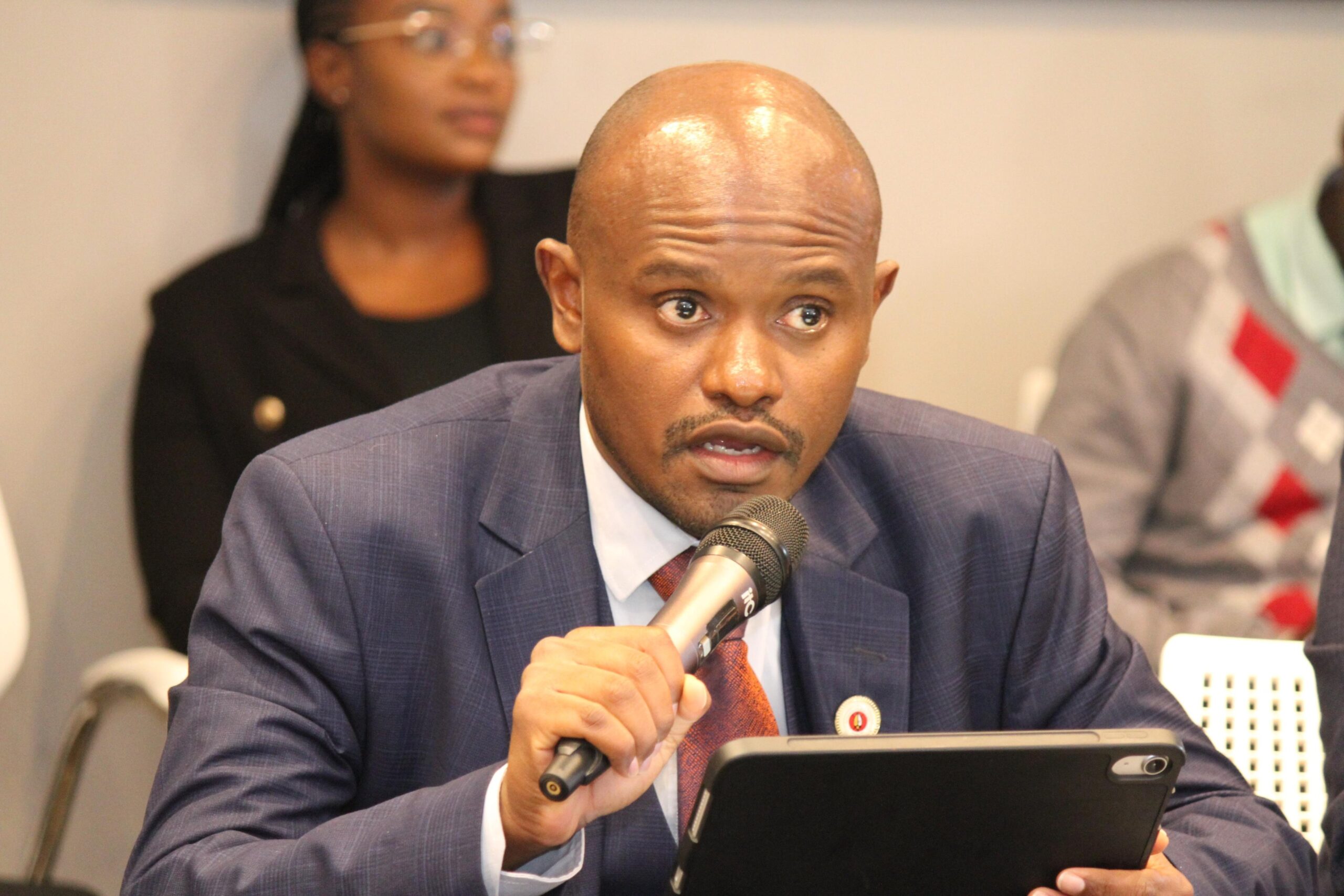
Eng. Shammah Kiteme, IEK President
The Institution of Engineers of Kenya (IEK) held its Annual General Meeting (AGM), where critical issues affecting the engineering profession were deliberated.
Speaking after the meeting, IEK President Eng. Shammah Kiteme said that engineers remain deeply concerned over the recently released Public Service Commission (PSC) career progression guidelines, citing persistent unfairness in compensation and lack of allowances.
“Since January 2023, engineers have raised concerns about the unfair compensation compared to other professions. Our call for the improvement of entry grades, practicing allowance, and risk allowance was not approved by PSC,” said Eng. Kiteme. “Members are now exploring alternative ways to address this injustice.”
In addition to salary grievances, the AGM spotlighted the issue of limited job opportunities for engineers, despite Kenya’s ongoing infrastructure boom. IEK members called for a deliberate government policy to prioritize citizen-owned companies in awarding infrastructure projects.
Another major victory for the engineering community was the government’s recent decision to retain mathematics education beyond Grade 10 for non-STEM students. IEK had strongly opposed an earlier proposal to remove mathematics as a compulsory subject, emphasizing its importance in the age of artificial intelligence, machine learning, and big data.
“We believe the government listening to our plea is a positive step. Future generations must possess strong numeracy skills to thrive in a technology-driven world,” Eng. Kiteme noted.
The AGM also addressed the government’s plans announced in January to collapse, defund, or divest from certain state corporations. IEK urged for engineers to be actively involved in these discussions, highlighting that many engineers are either employed in these entities or could be affected by such reforms.
The regulation of the engineering industry was another key issue raised. Members emphasized the need for fairness in continuous professional development (CPD) programs and tasked the IEK council to engage the Engineers Board of Kenya on this matter.
Looking forward, IEK announced a bold new strategy: actively shaping national policy discussions. Task forces comprising experts in aviation, transportation, water and wastewater management, agriculture, and digital infrastructure have been formed to propose sector-specific policy measures.
“Engineers have expertise, experience, and training that are critical to policy-making, especially in areas that touch on infrastructure. We are going to engage policymakers and the public with proposals that can positively shape this country’s development,” said Eng. Kiteme.
The AGM was hailed as a successful day of deliberations and resolutions aimed at securing a stronger, more empowered future for engineers and the nation’s infrastructure development.