


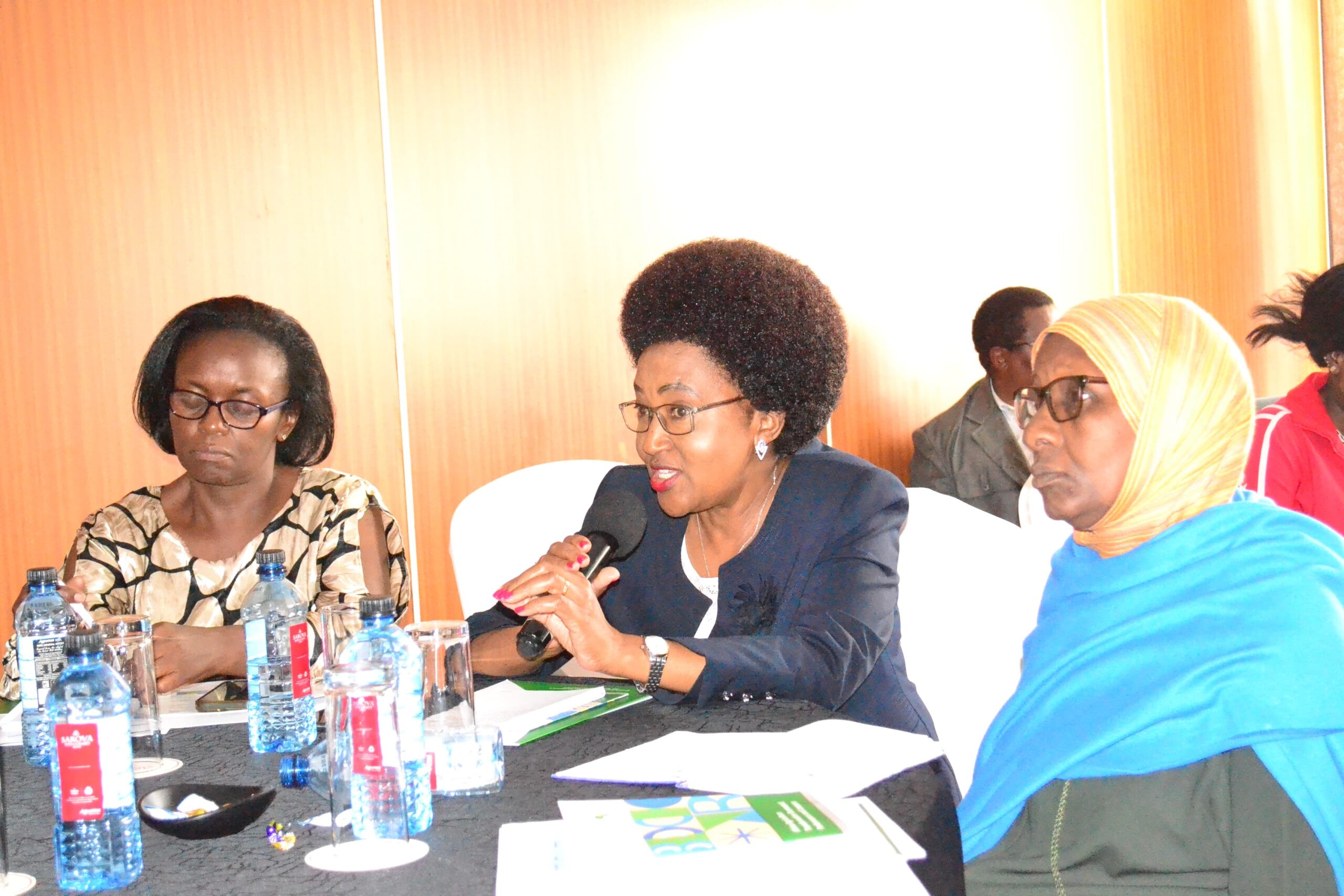
A new report by the Intergovernmental Authority on Development (IGAD) has delivered a stark warning: East Africa is dramatically off course in meeting the African Union’s Malabo Declaration goals, which set a 2025 deadline to end hunger, double agricultural productivity, and build climate resilience.
Launched on Friday in Nairobi the Fourth Biennial Review (BR4) assessed six IGAD member states—Djibouti, Ethiopia, Kenya, Somalia, South Sudan, and Uganda—and found that none are on track to achieve any of the seven key Malabo targets. The findings reveal worsening performance compared to the last review cycle, with climate shocks, underfunding, and weak data systems identified as major setbacks.
According to the report, only half of the countries surveyed allocate at least 5 percent of their national budgets to agriculture—well below the 10 percent threshold set in the Malabo Declaration. Meanwhile, 85 percent of the region’s agriculture remains rain-fed, leaving millions vulnerable to climate-driven disasters like droughts and floods.
“The data paints a troubling picture of regression rather than progress,” said an IGAD spokesperson at the report’s launch. “We are not just off track; we are sliding backward.”
Kenya, often touted as a tech leader in the region, is falling short of expectations. The country has made strides in agricultural policy coordination but continues to grapple with fragmented data systems, limited funding, and slow implementation of reforms.
Accelerate adoption of climate-smart agricultural technologies such as AI-based irrigation and drought-resistant seeds, modernize data collection systems for accurate and timely decision-making and partner with the private sector to fill funding and innovation gaps.
“Kenya has the digital infrastructure to be a regional leader,” said one agricultural economist. “If it doesn’t rise to the occasion, the consequences will ripple across the region.”
The IGAD report highlights severe challenges facing East Africa, including climate shocks that have reduced Ethiopia’s cereal production by 30 percent since 2023. Ongoing conflict in South Sudan has disrupted 60 percent of farming communities, while Uganda’s 14-month delay in agricultural report validation hampers timely policy responses and action.
One bright spot in the report is Rwanda, which has implemented a centralized “Agricultural Joint Sector Review” platform since 2020. The model has improved coordination among government, farmers, and NGOs—leading to an 8 percent annual growth in agricultural productivity since 2022. Additionally, 95 percent of Rwandan farmers now receive real-time weather advisories through mobile apps.
With the 2025 Malabo deadline fast approaching, IGAD is urging East African governments to act urgently—calling for emergency summits, doubling investments in rural infrastructure and food systems, and scaling up social protection to support over 12 million food-insecure households across the region.
The BR4 report serves as more than just a status update—it is a test of Africa’s commitment to its own development pledges. As climate change intensifies and instability persists, the choices made in the coming months will determine whether the continent fulfills or fails its promise to end hunger.
“The Malabo Declaration was a bold vision,” said the IGAD representative. “But without radical collaboration and urgent action, it risks becoming another broken promise.”