


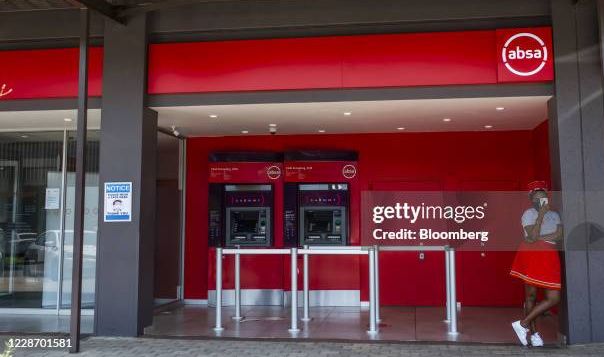
Absa Bank Kenya convened customers, financial market stakeholders, and industry peers for a weeklong 2025 Economic Forum, offering deep macroeconomic analysis and exploring financing opportunities to enhance resilience and growth in a dynamic economic environment.
The forum provided a platform for financial institutions, investors, importers, exporters, and regulators to assess Kenya’s economic outlook and navigate evolving market conditions. Experts unpacked complex financial instruments, alternative funding solutions, and yield-enhancing strategies—critical tools for businesses adjusting to a low-interest rate environment.
Absa Bank Kenya PLC CEO and MD, Mr. Abdi Mohamed, reaffirmed the bank’s commitment to fostering financial stability and sustainable growth in Africa.
“At Absa, we are deeply invested in your story because it truly matters to us. As a collective, we have an ambition to be a financial services group that Africa can be proud of. We are committed to the growth of this continent and the prosperity of our people, and we believe that bringing these kinds of insights is our contribution to the reforms and policy discussions that need to take place in our continent,” he stated.
Senior Economist Phumelele Mbiyo shared key economic projections for 2025:
GDP Growth at 4.9 percent – Kenya’s economy is expected to expand at 4.9 percent, with a notable shift from agriculture to construction and financial services as key growth drivers.
Inflation to Average 4.5 percent – Inflation is projected to remain stable at 4.5 percent, with core inflation steady at 2 percent since July 2024. The temporary price pressures from food inflation, driven by a mild La Niña phenomenon, are expected to ease after Q1.
Policy Rate Cut to 9 percent – The Central Bank of Kenya (CBK) is anticipated to reduce the policy rate to 9 percent by Q3, lowering borrowing costs and stimulating private sector credit growth.
The forum highlighted sectoral rotations within Kenya’s economy:
Agriculture’s Contribution Declining – Agriculture’s share of GDP has been shrinking, impacted by unfavorable weather patterns. The La Niña effect is expected to peak in Q1 before easing, mitigating food price pressures.
Construction Sector Rebounding – After stagnating post-2022, construction activity is rebounding, signaling renewed investment and infrastructure development.
Financial Services on the Rise – With the CBK easing monetary policy since August 2024, lower borrowing costs are driving a revival in private sector credit, boosting financial sector performance
Kenya’s forex reserves remain robust, bolstered by international financial inflows from:
Foreign portfolio investments in local bonds
Multilateral loans from the World Bank and IMF
Bilateral financing agreements
Access to the Eurobond market
This stability has warded off volatility and strengthened investor confidence, ensuring a resilient financial landscape for businesses and individuals.
The Absa 2025 Economic Forum underscored the need for businesses to adopt innovative financing strategies while leveraging Kenya’s favorable policy environment. With steady economic expansion, lower interest rates, and growing investor confidence, the country is poised for sustained growth and economic transformation in the coming year.