

Bamburi Cement Plc has called on the government and private sector players to increase the use of low-carbon cement in construction projects as Kenya steps up efforts to promote green industrialisation and sustainable manufacturing.
The company says adopting environmentally friendly building materials in both public and private sector projects could significantly reduce carbon emissions while supporting the country’s industrialisation goals.
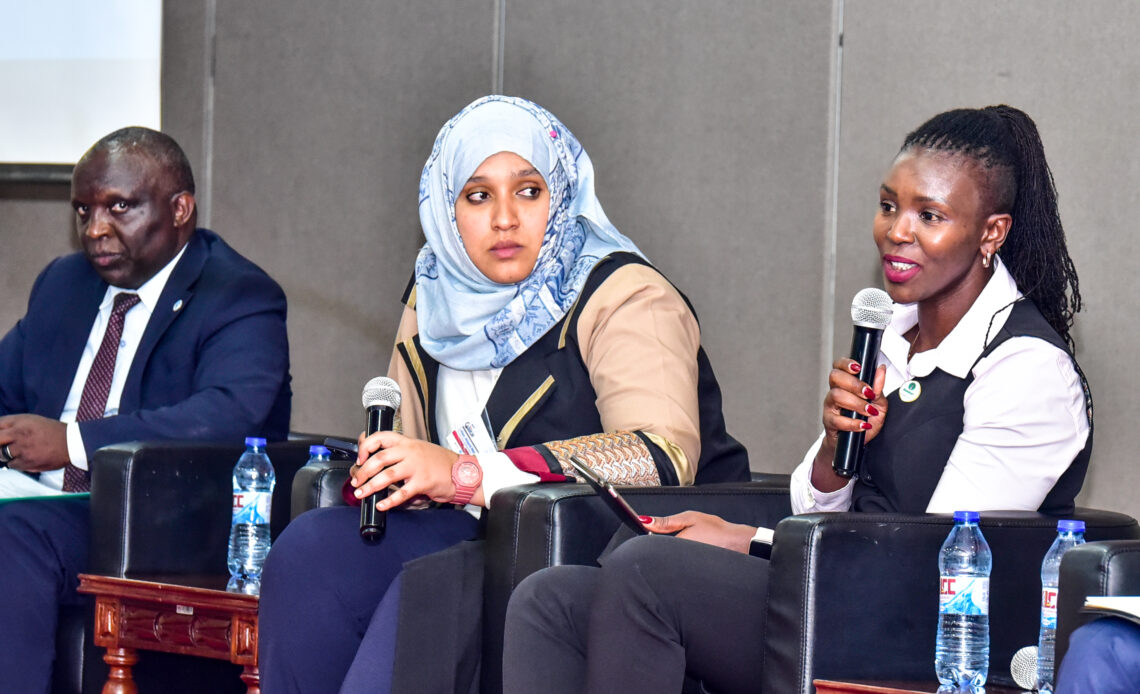
Speaking during a Green Industrialisation and Manufacturing panel at the Kenya Industrialisation Summit 2026, Bamburi Cement Sustainability and Corporate Affairs Director Eng Jane Wangari said the company had already developed products designed to reduce the environmental impact of construction.
She urged the government to introduce public procurement requirements that give higher scores to construction materials with lower carbon emissions. She also proposed including low-carbon cement in the Central Bank of Kenya’s Green Finance Taxonomy to encourage wider market adoption.
At the summit, which was officially opened by President William Ruto, Wangari highlighted Bamburi DuraCem Cement as one of the company’s products supporting sustainable construction.
The locally manufactured cement is designed for large-scale and marine construction projects because of its resistance to sulphates and chlorides. Its production process also incorporates alternative fuels, including rice husks and waste tyres, reducing carbon dioxide emissions by 64 per cent compared to ordinary Portland cement.
“As cement manufacturers, we are actively playing our net-zero part to facilitate green manufacturing, affirming that it is no longer a pipe dream to deliver products with lower carbon dioxide emissions,” said Corporate Affairs Director Eng Jane Wangar.
She added that each 50-kilogramme bag of DuraCem produces approximately 64 per cent fewer carbon emissions than ordinary Portland cement, saving about 25 kilogrammes of carbon dioxide, equivalent to the emissions from burning 10 litres of petrol. The company cited the Makupa Bridge project in Mombasa as an example of how low-carbon materials can support infrastructure development. The use of DuraCem on the project helped save more than 10 million kilogrammes of carbon dioxide, while providing resistance to seawater.
Bamburi is also advocating for standardised cement requirements and verified Environmental Product Declarations (EPDs) to help consumers and developers establish the actual environmental impact of construction materials. Beyond green manufacturing, the company is positioning itself for major infrastructure opportunities, including the proposed Dangote East Africa Petroleum Refinery and Petrochemical Special Economic Zone in Lamu County, where it expects to supply more than one million tonnes of cement.
The firm is also investing in expanding its manufacturing capacity. It signed a $250 million (approximately KSh32 billion) contract with Sinoma CBMI Construction Co. Ltd to build a clinkerisation plant in Matuga, Kwale County.
The facility is expected to produce 1.6 million tonnes of clinker annually and support Bamburi’s plan to increase its annual clinker production capacity from one million to 2.6 million tonnes and cement production from 1.8 million to four million tonnes. The expansion is expected to strengthen local cement production and support Kenya’s growing infrastructure needs.