

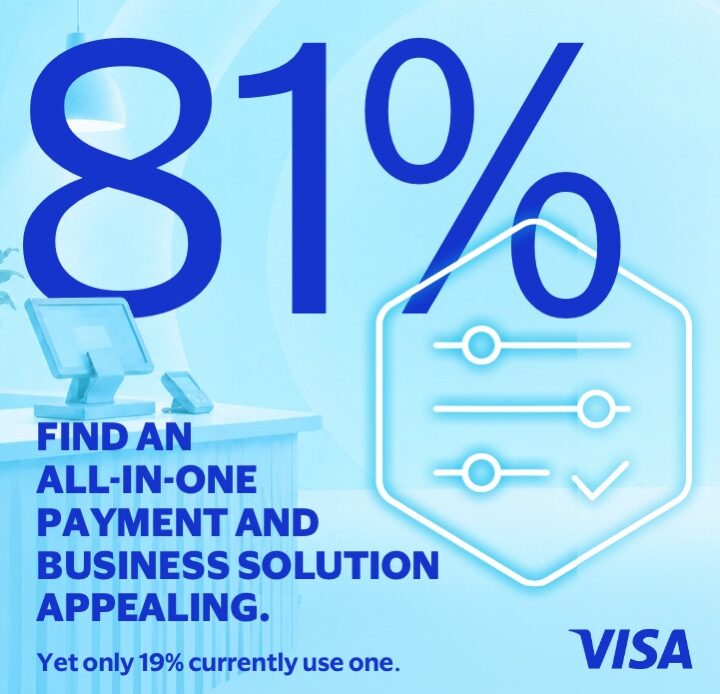
A new Visa report has revealed that 81 per cent of small and medium-sized enterprises (SMEs) in Kenya want digital solutions that combine payments with everyday business management, but only 19 per cent currently use such platforms.
The findings point to a gap in digital adoption, with many businesses already accepting and making electronic payments but still relying on separate systems to manage invoices, payroll records and financial reports. According to Visa’s Pay and Get Paid 2026 report, integrating payments with business operations could help entrepreneurs save time, improve efficiency and gain better control over their finances.
The survey found that 30 per cent of Kenyan SMEs struggle to track unpaid invoices, while 27 per cent face difficulties organising payroll records. Another 26 per cent reported challenges preparing financial reports, highlighting the administrative burden that businesses face when their payment systems operate separately from other business tools.
Despite these challenges, adoption of integrated platforms remains low. The report found that 20 per cent of surveyed businesses did not know such tools existed, while 14 per cent believed their enterprises were too small to need them. A further 12 per cent said they saw insufficient benefits in adopting an all-in-one solution.
These findings suggest that businesses may need more information about how integrated platforms work and how they can support enterprises of different sizes as they grow. However, SMEs already using these solutions reported positive experiences. Visa found that 85 per cent of Kenyan businesses using integrated tools were satisfied with them, while 81 per cent reported efficiency gains, including spending less time and effort on routine business activities.
Beyond simplifying daily operations, connected platforms could also help financial institutions better understand the financial position of small businesses. By combining payment records with business-management information, lenders may gain a clearer picture of cash flow, helping them assess risks and develop financing products suited to individual businesses.
“As digital transactions become part of everyday commerce, the value for SMEs increasingly lies in what those payments can enable after the transaction,” said Anne Kinuthia-Otieno, Visa’s Vice President and Head of East Africa. She said the next stage of digital adoption should focus on what businesses can achieve after completing transactions.
Kinuthia-Otieno added that integrated platforms could give financial institutions a more complete understanding of SME needs, creating opportunities for tailored support and financing to help businesses manage working capital and expand. Visa is working with financial institutions to develop connected, data-driven platforms that deliver greater value to small businesses.
The findings highlight an opportunity to move Kenya’s SME sector beyond digital payments towards tools that connect transactions with financial management, although wider adoption will depend on awareness, accessibility and the perceived value of these solutions.