


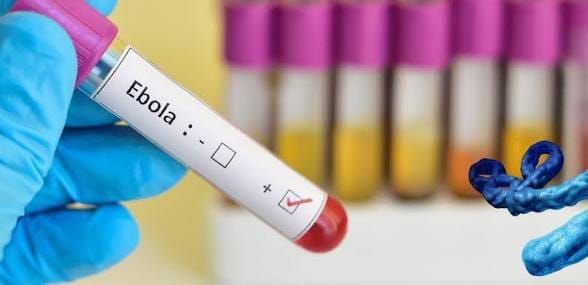
Kenya has confirmed a second case of Ebola (Bundibugyo virus disease), with health officials saying early detection, contact tracing and quarantine measures are helping contain the outbreak.
In a press release dated October 14, 2026, the Ministry of Health said the patient is a 39-year-old man who is a close family member of the first confirmed case. Health officials had already placed him in quarantine and monitored him daily before he developed symptoms on October 13.
The man developed fever, fatigue and joint pain, prompting the quarantine team to isolate him and collect samples for testing. The samples tested positive at both the National Virology Reference Laboratory and the Kenya Medical Research Institute’s CDC laboratory, with both facilities returning matching results.
The patient has since been transferred to a designated treatment centre, where medical teams are providing supportive care. The ministry said detecting the infection early and isolating the patient at the first signs of illness could improve his chances of recovery and reduce the risk of transmission.
Kenya has now recorded two confirmed cases and one death. The ministry said the two cases are linked and there is currently no evidence that the virus has spread into the wider community.
Contact tracing for the first case has identified 128 people who may have been exposed to the virus. By October 13, health officials had traced 113 of them, including 108 who are in quarantine in Kenya. They are undergoing daily clinical assessments and temperature checks for 21 days from their last possible exposure.
The other five contacts are outside the country, and authorities in their respective countries have been notified in line with international health requirements. Tracing efforts for the remaining 15 contacts are continuing.
Health teams are also identifying people who may have interacted with the second patient after his symptoms began, including quarantine personnel and healthcare workers. Anyone who develops symptoms will be isolated and tested immediately.
The ministry said infection prevention measures had been strengthened at quarantine and treatment facilities, while healthcare workers had received the protective equipment they need.
The response is being coordinated under the Public Health (Declaration of Formidable Epidemic Disease) Order, 2026, and the Public Health (Ebola Disease) Rules, 2026. The World Health Organization has also been notified. The government said Kenya remains open, with no restrictions on travel, trade or public gatherings.
The Ministry of Health has urged Kenyans to remain calm and vigilant, noting that Ebola does not spread through the air but through direct contact with the blood or body fluids of an infected or deceased person.
Anyone experiencing fever, unusual tiredness, muscle or joint pain, vomiting, diarrhoea or unexplained bleeding should seek medical attention promptly. The public can call the toll-free line 719 for information and should rely on official ministry updates.